
A medicinal herb garden doesn’t need a large plot. A sunny balcony, a few planters or some pots on the terrace are enough to keep close at hand herbs that perfume your home, enrich your dishes and accompany your wellness routines. Growing your own plants brings you closer to the rhythm of the seasons and gives you a living pantry just steps from your kitchen.
Why create a medicinal and aromatic herb garden
Besides the pleasure of caring for something alive, this type of garden has some very practical advantages:
- Maximum freshness: freshly cut herbs have more aroma and flavor than the dried ones from the supermarket.
- Savings and less waste: you cut only what you need, with no packaging.
- Biodiversity: flowers and aromatic plants attract pollinators and help maintain the garden’s balance.
- A moment to pause: watering, pruning and smelling the plants is a simple way to switch off.
The essential plants and how to grow them
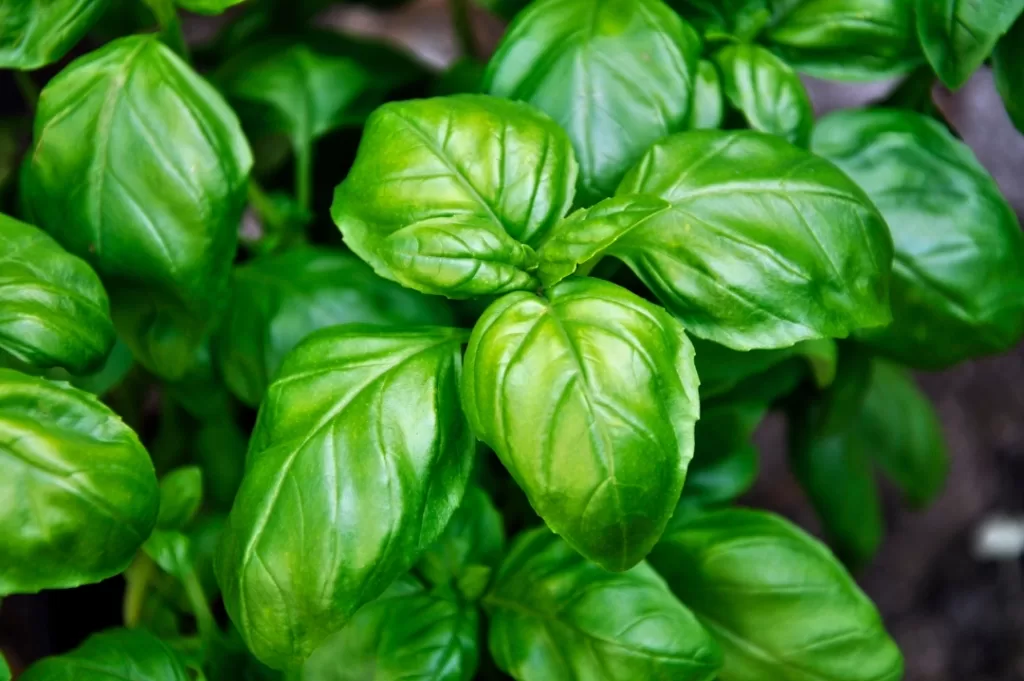
Basil: the sun lover
It is an annual and very sensitive to cold, so sow it once the frosts have passed. It needs sun, regular watering without waterlogging, and pinching the tips so it branches out and doesn’t flower too early. Use it fresh in salads, tomato sauces or pesto, adding it at the end to preserve its aroma.
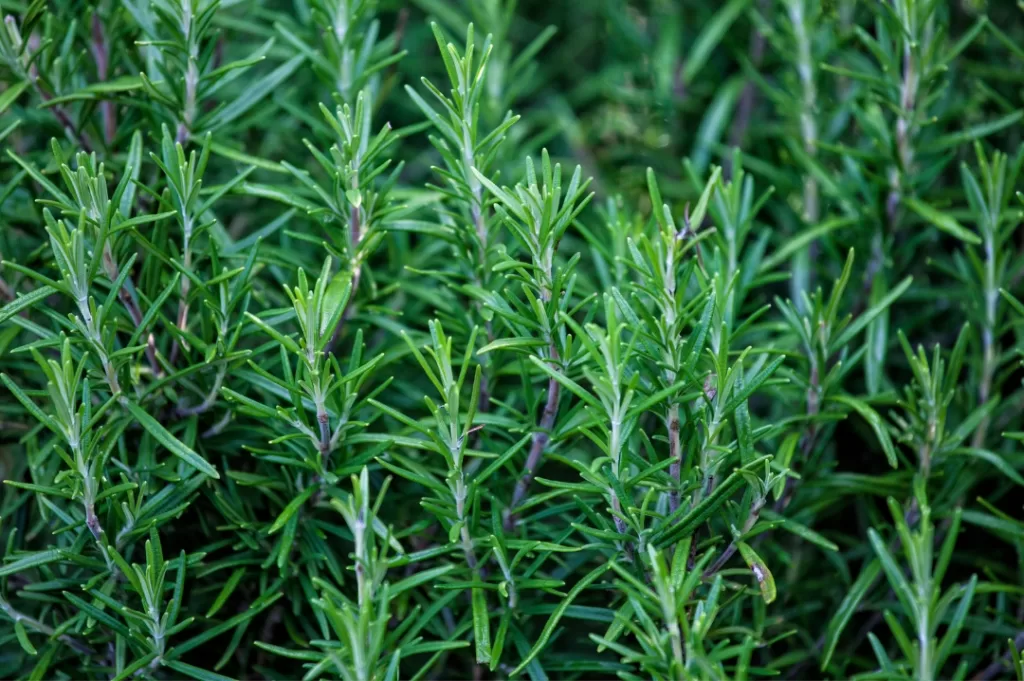
Rosemary: hardy and generous
It is a Mediterranean shrub that thrives on plenty of sun, well-drained soil and little water. Overwatering makes it rot easily. Prune lightly after flowering and harvest sprigs throughout the year. It pairs beautifully with roast potatoes, meats, legumes and homemade breads.
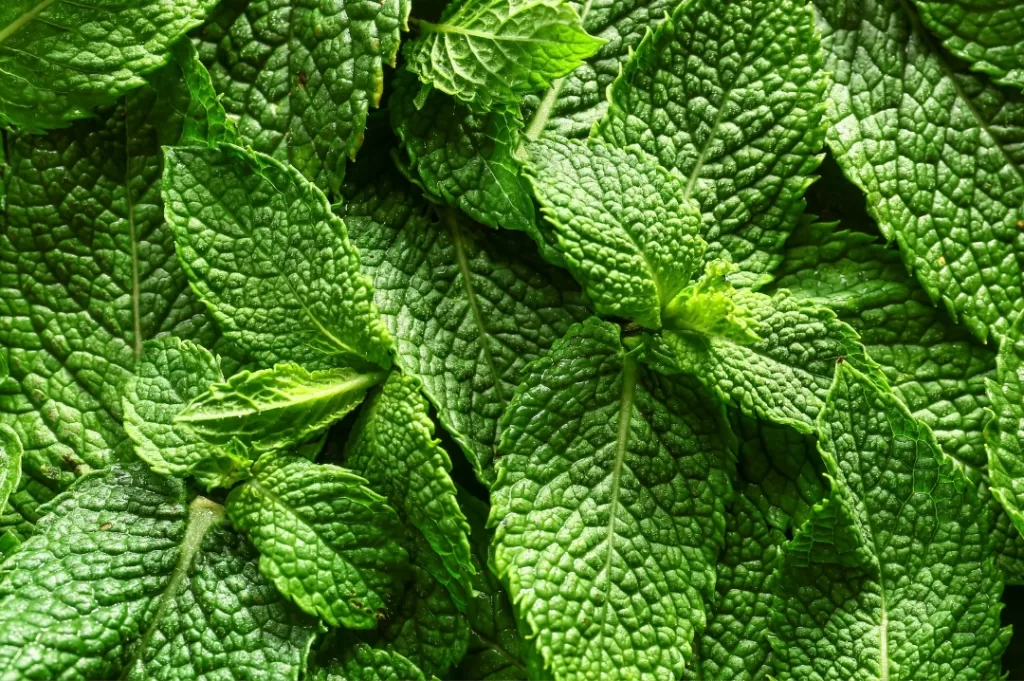
Mint: vigorous and expansive
It grows almost by itself, and therein lies the trick: its roots take over everything. Always grow it in its own pot, in partial shade and with frequent watering. It is perfect for teas, lemonades, desserts and summer dishes. If you cut it often, it will regrow more strongly.
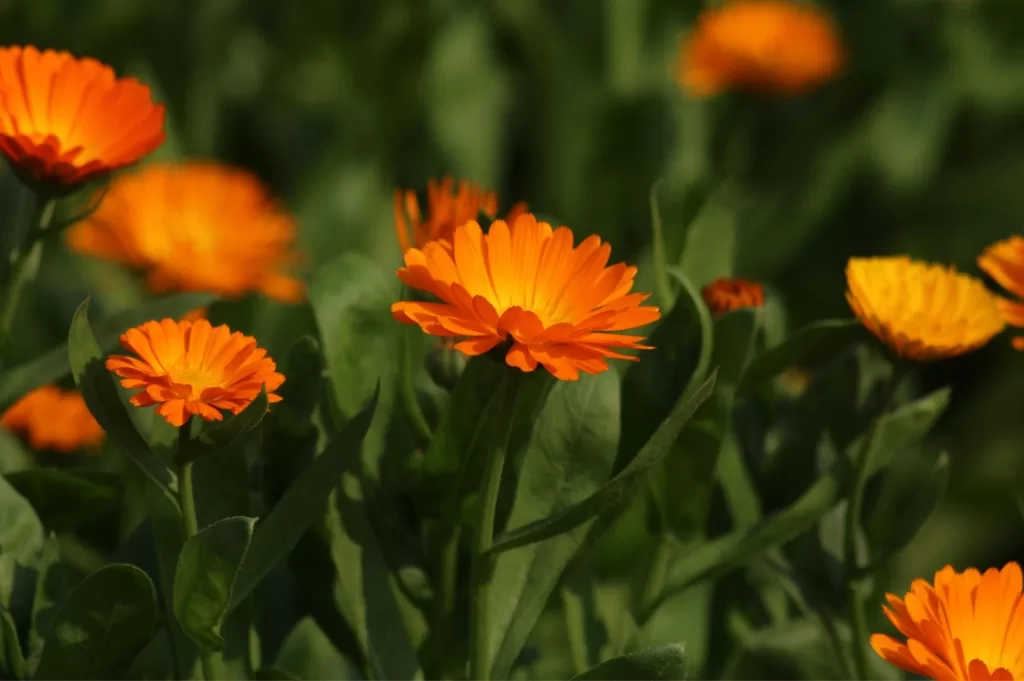
Calendula: a useful and decorative flower
It is sown directly in the ground, adapts to almost anything and blooms for months if you remove the faded flowers. Its petals are edible and add color to salads, rice dishes and flavored butters. Traditionally it is also used to make infused oils for the skin, although it is wise to test them first on a small area.
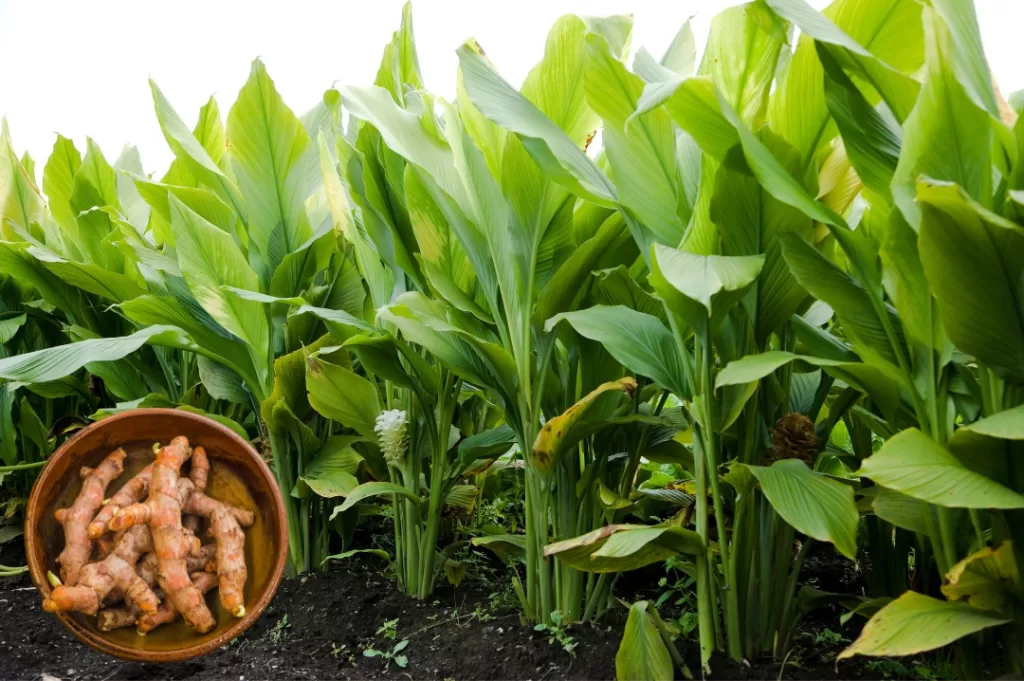
Turmeric: a challenge with a reward
It is a tropical plant grown from rhizomes. It needs warmth, humidity, a loose, rich substrate and partial shade. In temperate climates it is planted in spring, in a large pot, and protected from the cold. The harvest comes after eight to ten months, when the leaves turn yellow. The fresh rhizome, grated, adds color and an earthy flavor to creamy soups, rice dishes and legume stews.
Other plants worth making room for
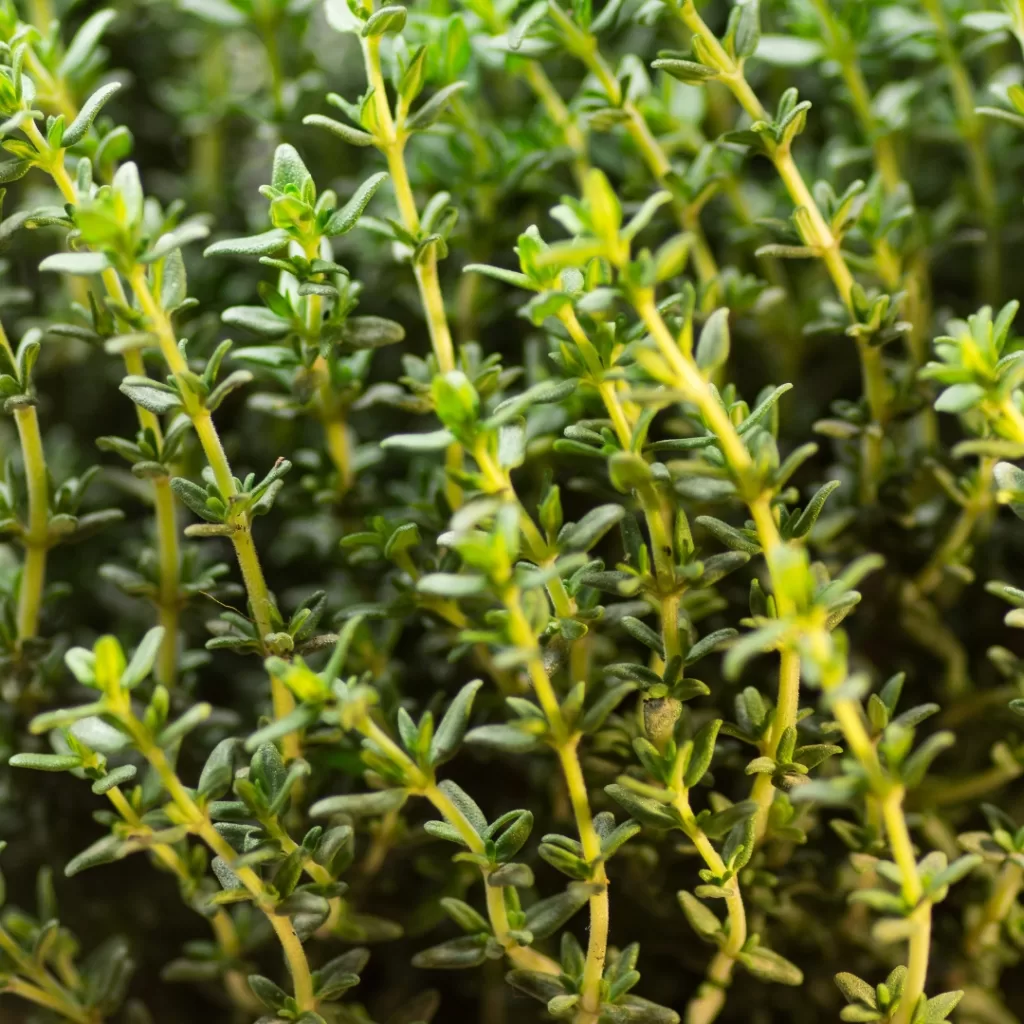
- Thyme and oregano: rustic, low-water and very useful in the kitchen.
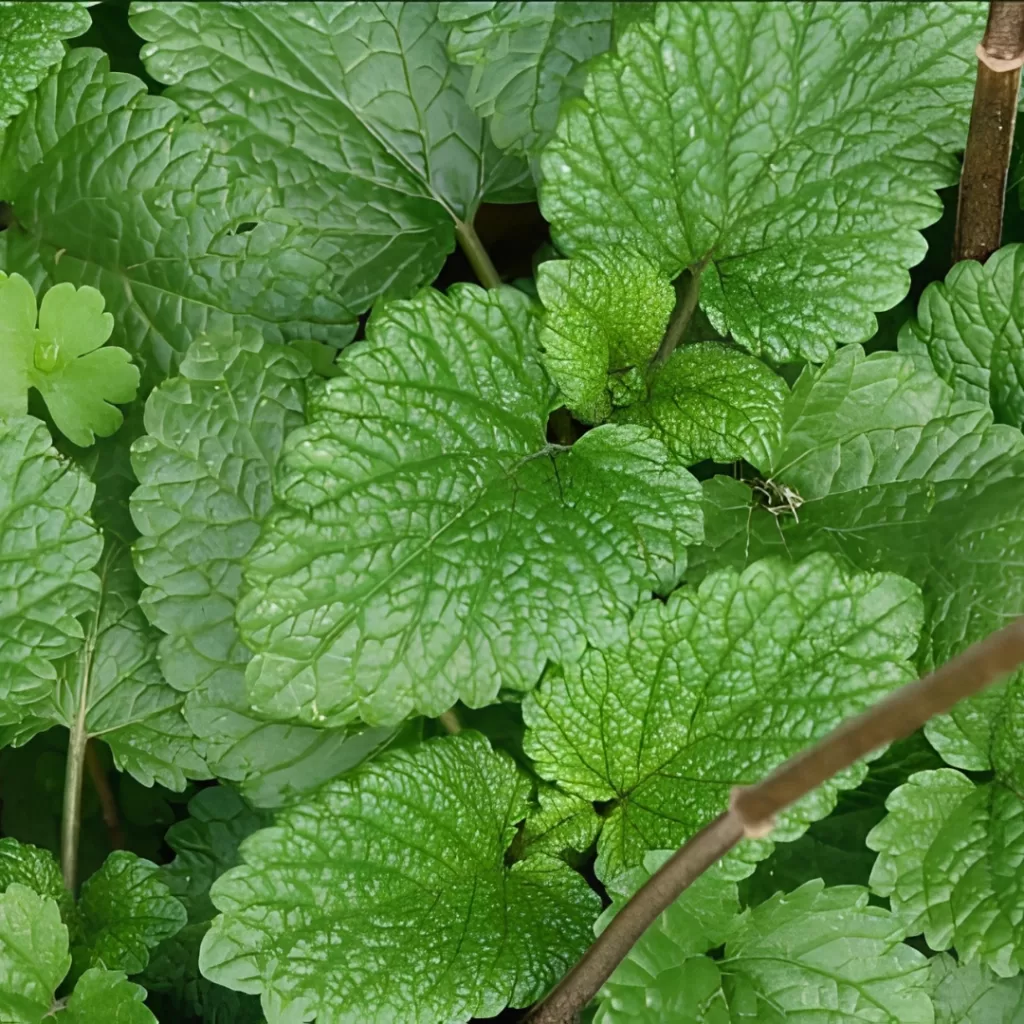
- Lemon balm: with a mild citrus aroma, ideal for teas.
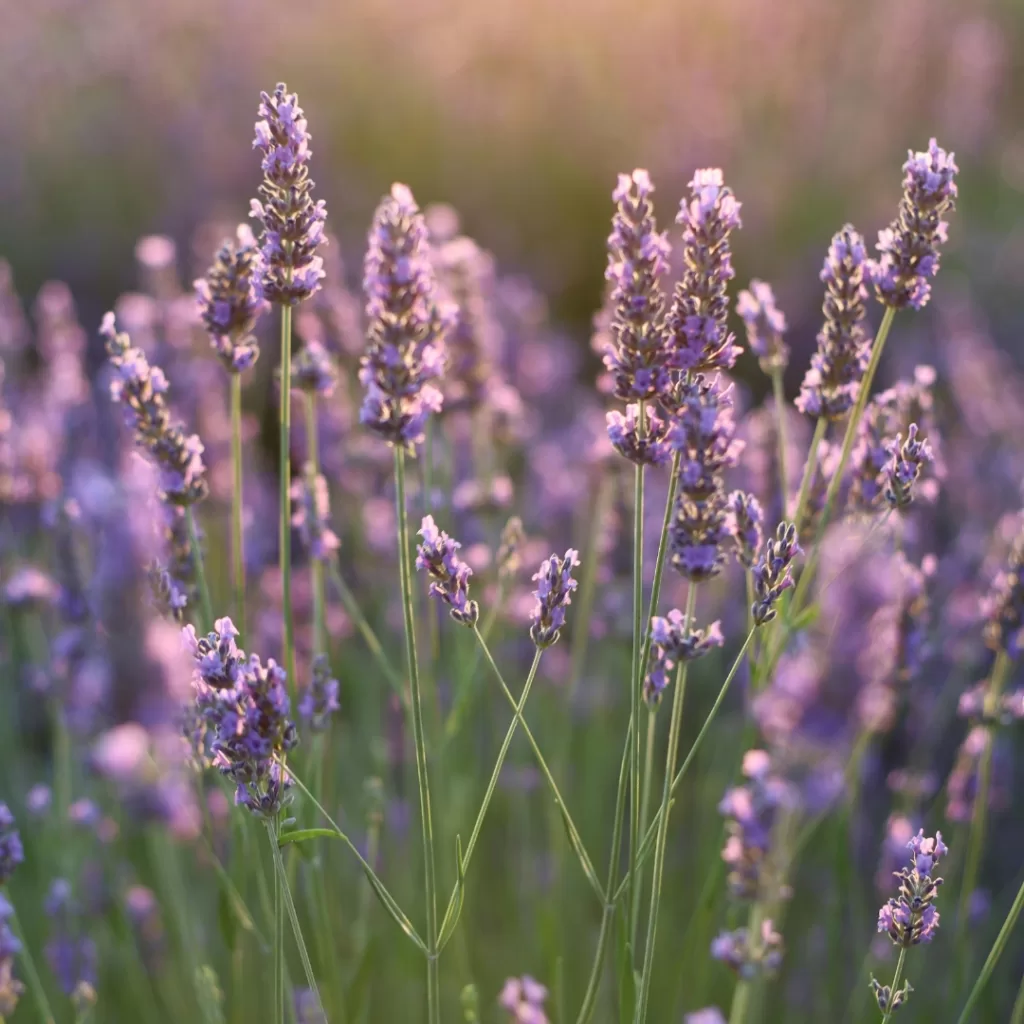
- Lavender: it perfumes, attracts bees and can be dried for scented sachets.
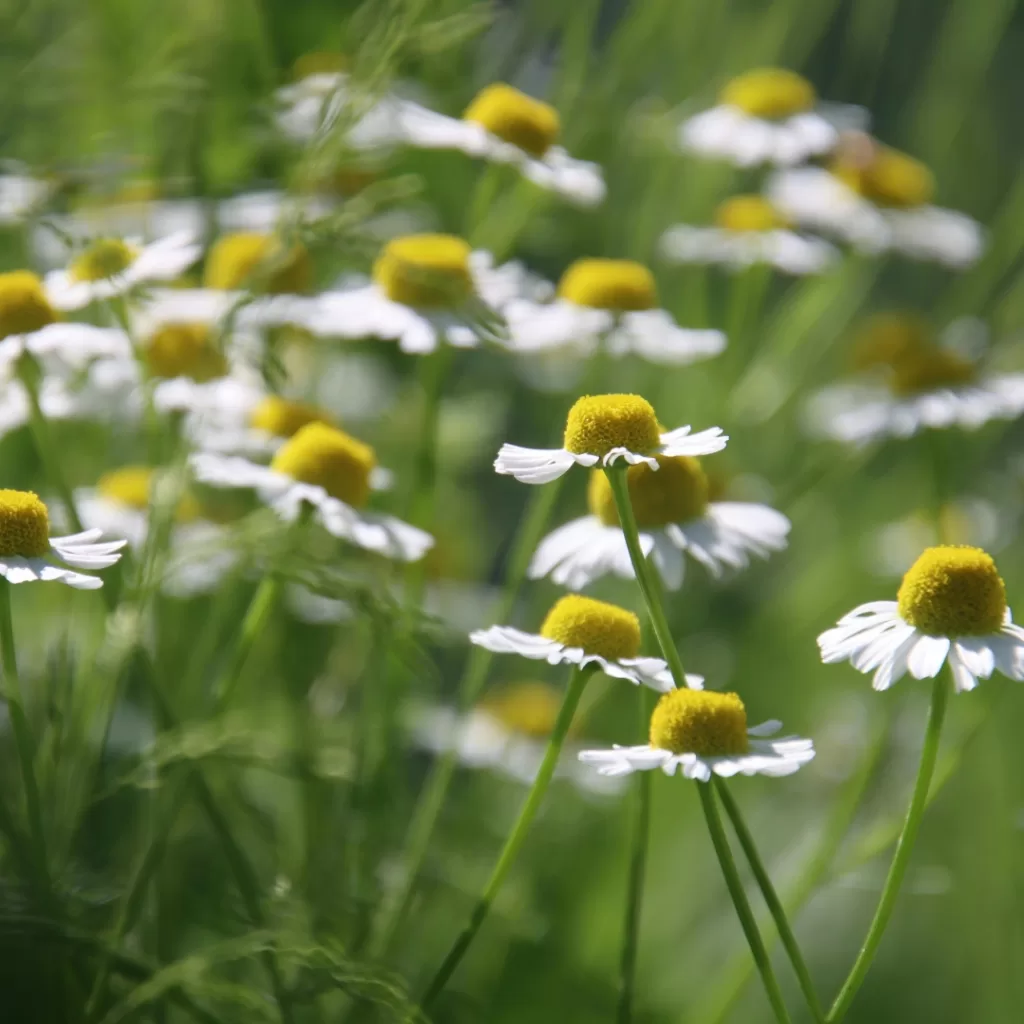
- Chamomile: its flowers are dried for tea.
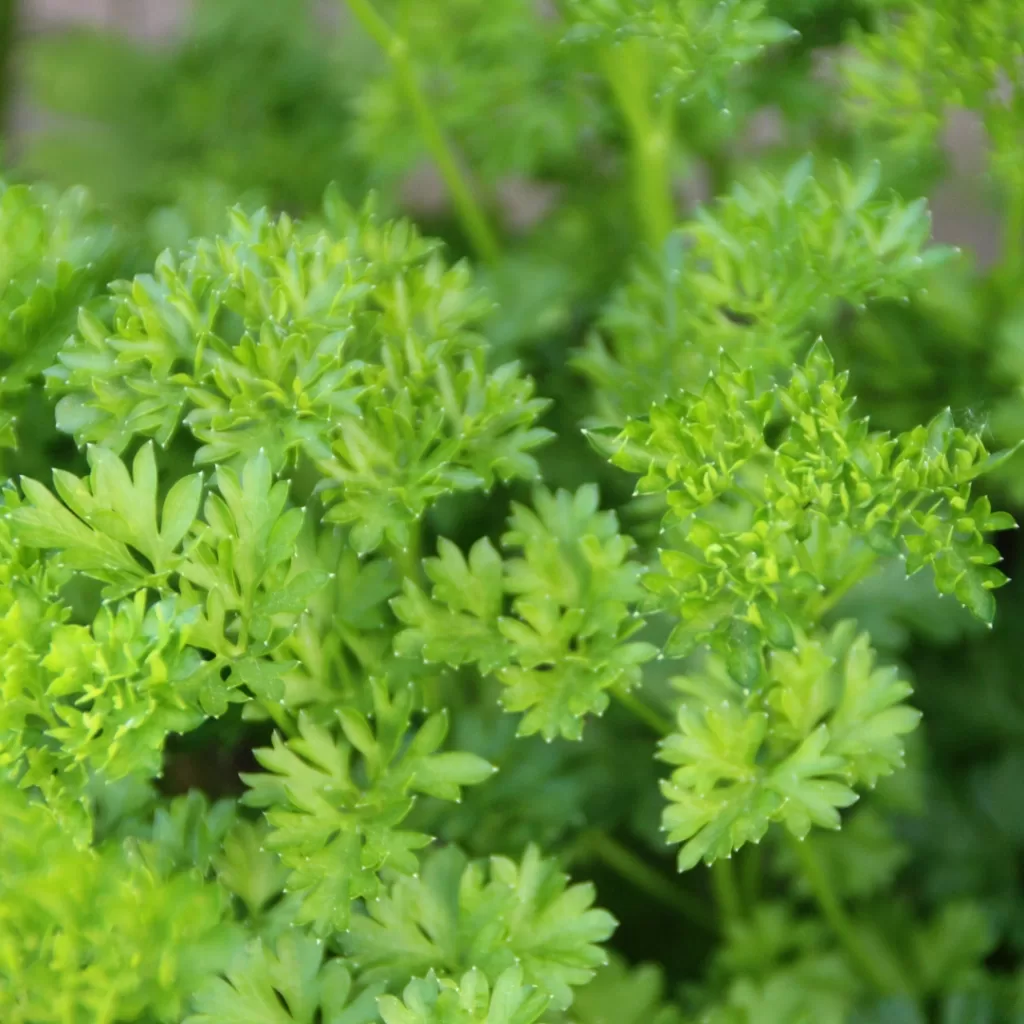
- Parsley and chives: staples for any everyday kitchen.
How to organize the space
Group plants according to their needs. Rosemary, thyme, oregano and lavender share full sun and little water. Basil, parsley and chives prefer more moisture. Mint is best kept isolated in its own container. Use a quality substrate with good drainage, add compost and avoid saucers with standing water under the pots.
To care for the garden naturally, rely on mulching, watering in the morning or at dusk, and rotating pots. Aphids can usually be controlled with potassium soap and companion plants, such as calendula, which helps attract beneficial insects.
From the garden to the kitchen and to wellness
This is where the garden comes into its own. Some simple ideas:
- Fresh tea: mint and lemon balm with hot water, a few minutes of steeping and you’re done.
- Aromatic oil: dried rosemary and thyme in olive oil, properly stored and consumed soon.
- Flower salad: leafy greens, basil and calendula petals.
- Homemade golden milk: turmeric, black pepper, cinnamon and heated plant-based milk.
- Lavender sachets: for closets and drawers.
Above all, be careful
A plant being natural doesn’t mean it is harmless. Aromatic herbs in culinary amounts are usually safe for most people, but medicinal uses call for caution. If you are pregnant, take medication, have a health condition or plan to give teas to children, consult a healthcare professional first. Identify each species properly and don’t gather wild plants if you aren’t sure what they are.
Start small
You don’t need to plant everything at once. Choose three or four plants you will actually use, such as basil, mint and rosemary, and expand as you feel inspired. Over time, your green corner will become a small aromatic kitchen pharmacy, a refuge for pollinators and a daily excuse to step outside to breathe, smell and enjoy what you have grown yourself.