Lifestyle is rarely about big gestures. It is the cup you drink in the morning, the way you spend a Sunday, the board you chop on, the book you open after a long day. This guide pulls together our Lifestyle articles and groups them by theme rather than by date, so you can move from one idea to the next without starting over.
You will find notes on body rhythms and food habits, on tired minds and how to rest them, on how we understand ourselves, on stories worth your time, on designing a home that feels good, and on planning for fresh starts. Where health comes up, the aim is to inform, not to prescribe. If something worries you, a qualified professional is the right person to ask.
Mornings, body clock and what you eat
Much of what we call a good or bad morning begins with the body's internal timing. Circadian rhythms explains how a master clock in the brain syncs mainly with light and darkness, and how habits such as when you eat, how you use light and how you work either tune that clock or pull it out of time. When it drifts, the effects reach beyond sleep, to thinking, mood and metabolism.
From that angle, small morning choices make sense. Waiting to drink coffee in the morning is presented not as a rigid rule but as a gentler way to respect an awakening process the body already runs on its own. The anti-inflammatory morning infusion works as a similar ritual: a warm drink, taken slowly, that marks the shift from rest to action, with ingredients such as ginger, cinnamon and green tea.
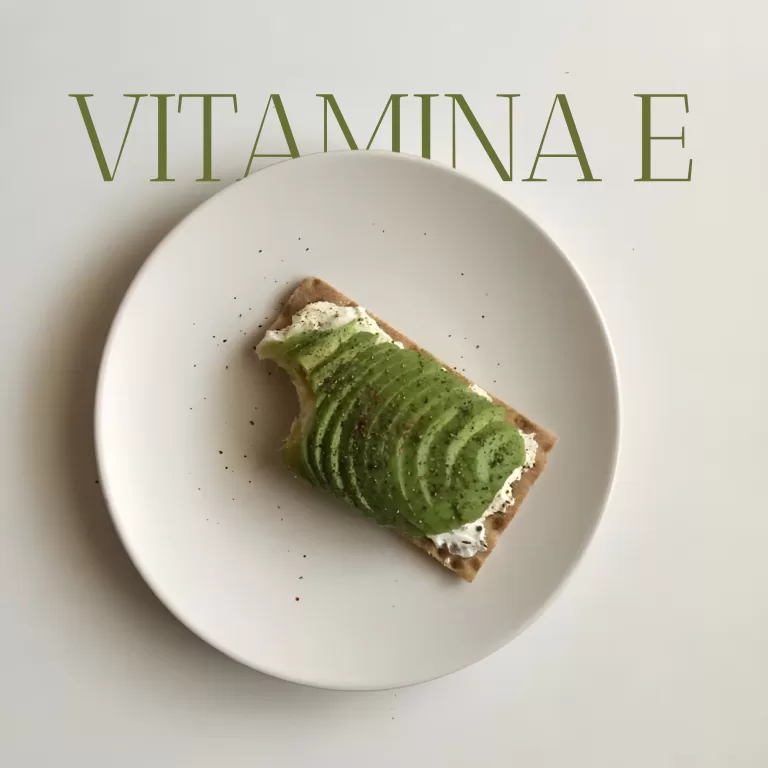
Food habits carry an emotional side too. Breakfast with Greek yogurt and granola is described as a source of steadier energy, with fiber and probiotics, and a meaningful ritual for women in menopause or anyone seeking lasting vitality. Eating only yogurt for dinner reminds us that the food itself is not the issue; intention and repetition are, especially when it is a way of compensating for guilt. For readers curious about supplements, the vitamin E article explains that it is a fat-soluble antioxidant and warns that high doses can backfire. Talk to a health professional before changing what you take.


Tired minds and the art of real rest
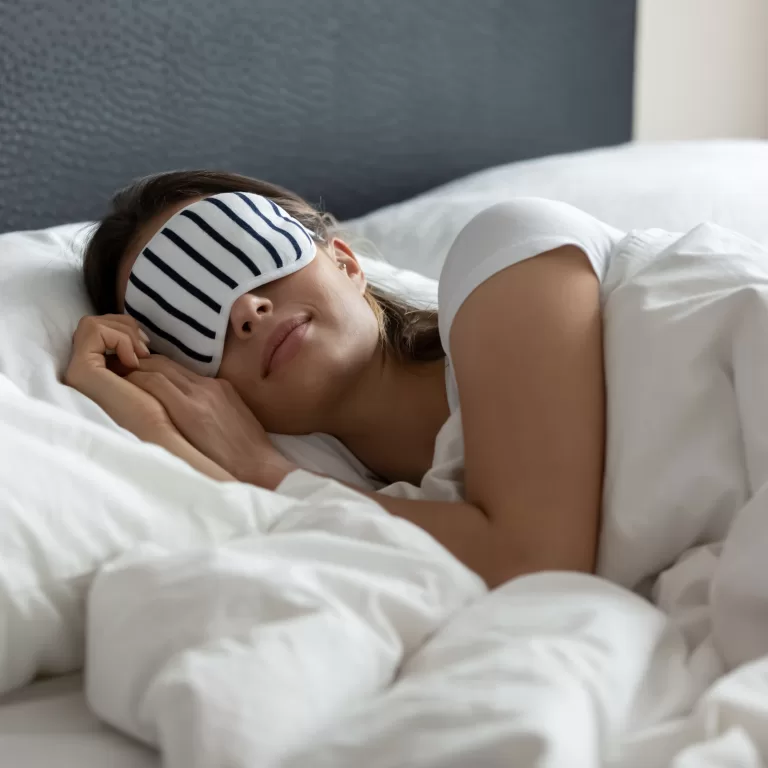
Some exhaustion has little to do with physical effort. Mental fatigue from overthinking describes the mind replaying scenarios and scanning for threats, so that even simple tasks feel heavy while everything looks fine from the outside. Recognizing the pattern is the first step toward not blaming the body for tiredness that starts in the mind.
The same theme explains why weekends feel shorter. The article's point is that time is not experienced objectively: under exhaustion and overstimulation, free time blurs, leaves few memories and fails to renew us. Guilt about not making the most of the weekend only adds pressure.
If you want ways to step out of that loop, two articles offer body-based options. Running in silence means going without music or notifications and listening rather than escaping thought. The sound and movement ritual combines guided dance with live electro-acoustic music, inviting participants to move from mental chatter to embodied awareness. Neither is a treatment, but both show how attention returns through the body.



Understanding yourself: thinking, brain and family
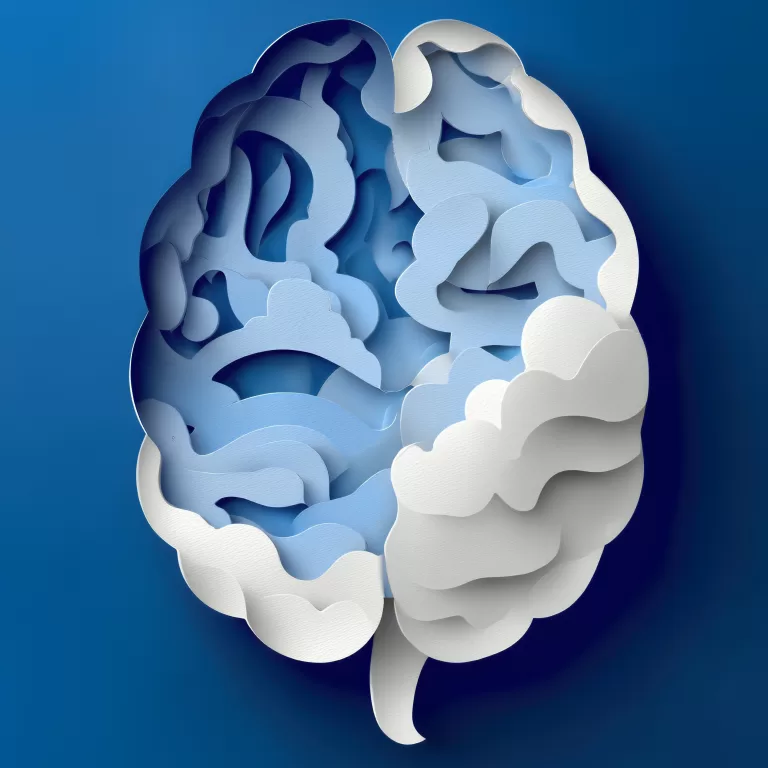
Several articles share one message: you are less fixed than you may think. Metacognitive skills are described as an internal balcony from which we observe how we learn, decide and sometimes sabotage ourselves, so that we can guide our thinking on purpose. The brain adolescence article says that the brain stays plastic and responsive into the early thirties, with a major transition around age 32, challenging the old idea that it is complete at 25.
Human neurobiological transformation adds a biological picture: the body renews itself constantly, and the liver can restore its functional volume after partial removal. The article uses this to argue against psychological fatalism, since loss does not necessarily mean permanent limitation.
Personal stories show how patterns form. Only child self-esteem looks at how growing up as the sole focus of expectations can create a strong inner monitor that follows into adulthood. Living with obsessive-compulsive disorder is a reminder that OCD is a complex mental health condition, not a quirk of neatness, and that naming it and seeking support, including therapies such as CBT and exposure and response prevention, can open a way forward. If any of this feels familiar, consider speaking with a mental health professional.


Books, screens and stories that keep us company
Reading is a gentle way back to calm. Restart reading habit suggests beginning with ten quiet minutes and a short book, because compact books lower the pressure when you are tired. The most anticipated books of 2026 describes a literary mood shaped by exhaustion, embodied memory and a hunger for meaning, with reading as pause and accompaniment rather than distraction.
Screens can play a similar role. Netflix Christmas movies 2025 frames the festive catalogue as an emotional refuge, where Christmas becomes a trigger for intimate change such as divorce or creative crises. The fascination with true crime looks at the opposite pull: stories of real violence through which we try to understand, anticipate and domesticate fear.
Stories also shape how we picture places. The White Lotus season 4 hotel is Château de La Messardière, a 19th-century palace in Saint-Tropez on 32 acres of grounds, where luxury drives the drama. Whatever you choose, notice how it leaves you feeling afterward.



A home that feels as good as it looks
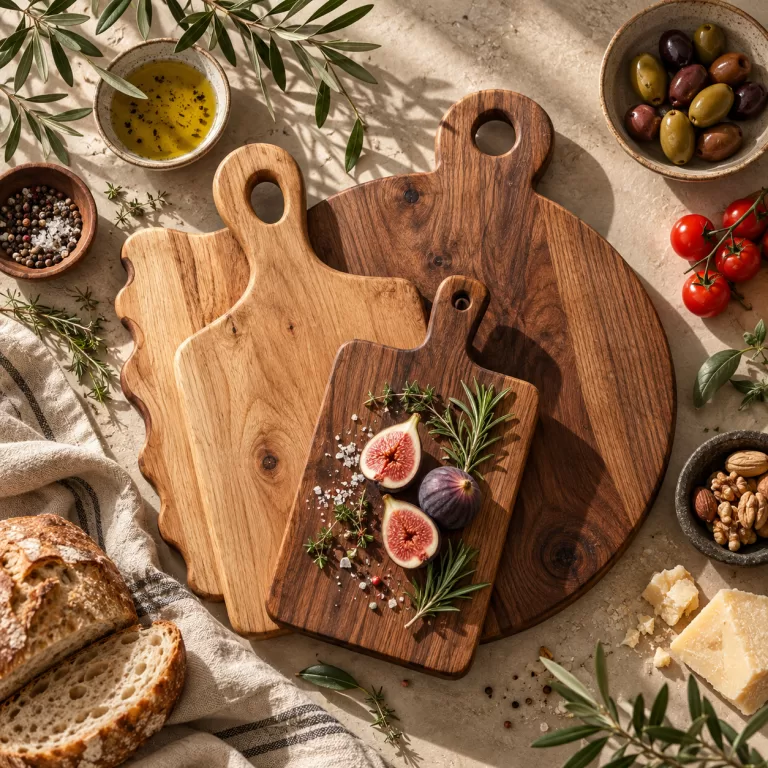
Home design starts with everyday objects. Wooden cutting boards remain a favorite among home cooks, in part because wood tends to be gentler on a knife's edge than very hard materials such as glass or stone. The article also covers types, how to choose and how to care for a board so it lasts for years.
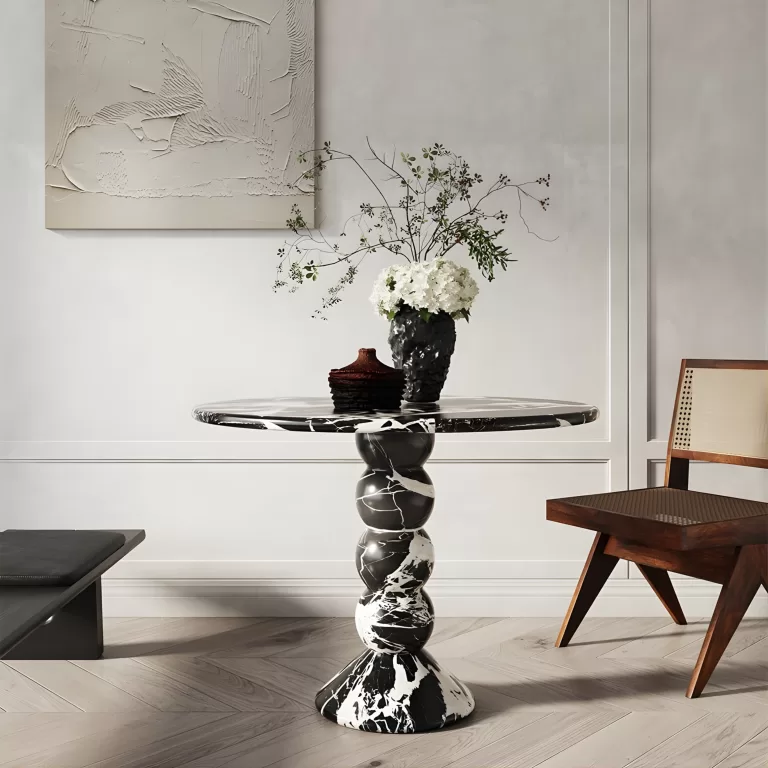
On a larger scale, two studios treat space as experience rather than decoration. DAAS DESIGN and Valeria Coghi approach architectural lighting as a starting point, not a final addition, aiming for atmosphere that holds up in real life and supports rest and focus. Harmony & Marble, led by Tatiana García Umanzor, works in three steps: listen, solve, then build the sensory layer of texture, scale and presence.
Textiles belong in the same conversation. Loro Piana Interiors at Paris Déco Off 2026 presents natural fibers and Italian craftsmanship, photographed at Villa Panza, where fabric responds to light and time. The shared idea is that materials and light shape how a room feels.

Fresh starts: rituals, reflection and planning ahead
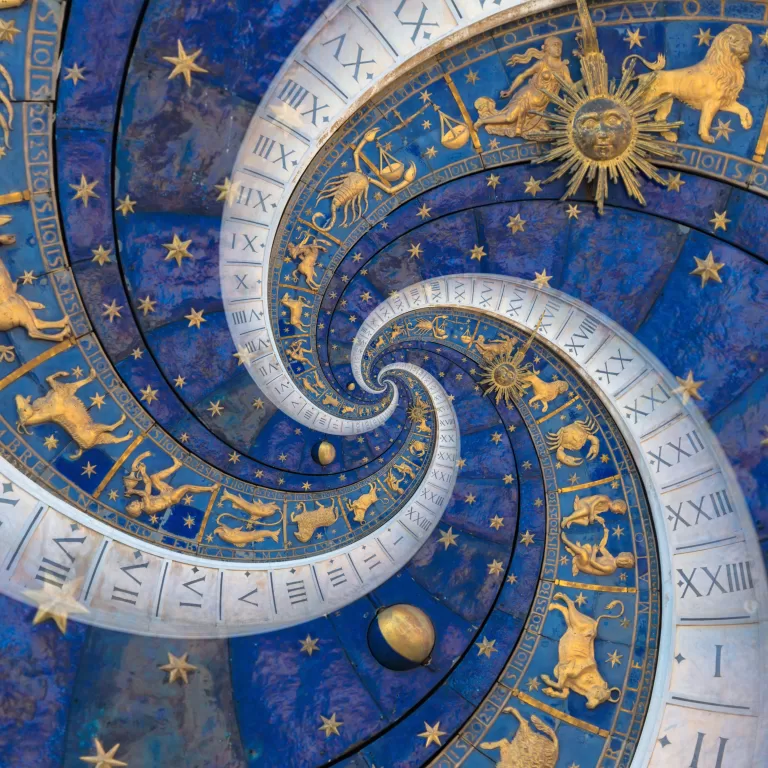
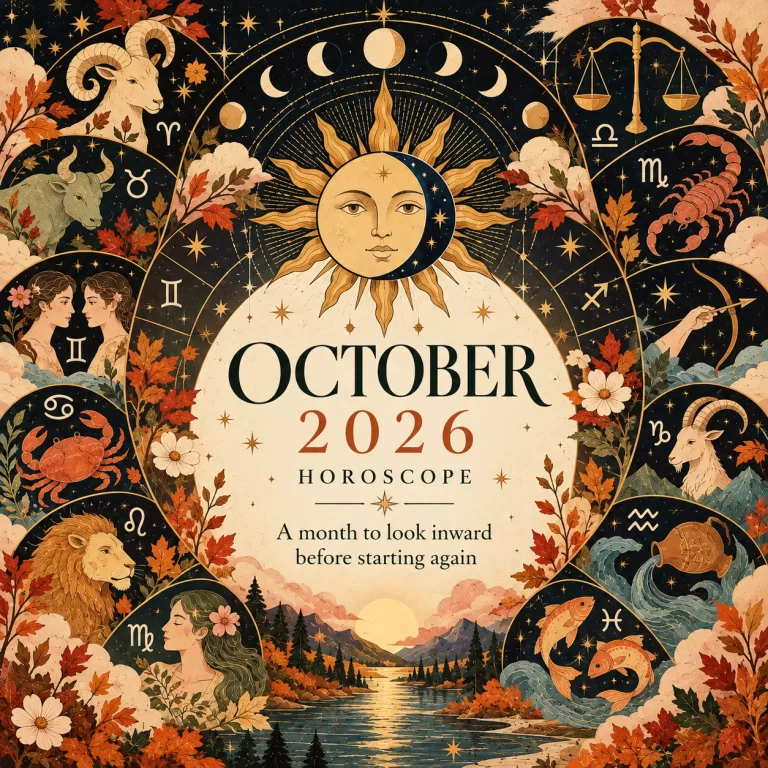
Turning points are a good moment to pause. The October 2026 horoscope calls the month a time for introspection, with Libra season focusing on relationships and agreements, and presents itself as a guide for reflection, not a verdict. The January 2026 horoscope speaks of clarity and sustainable gestures, while the February 2026 horoscope separates verifiable sky events, such as the February 17 annular eclipse, from astrology's symbolic language.
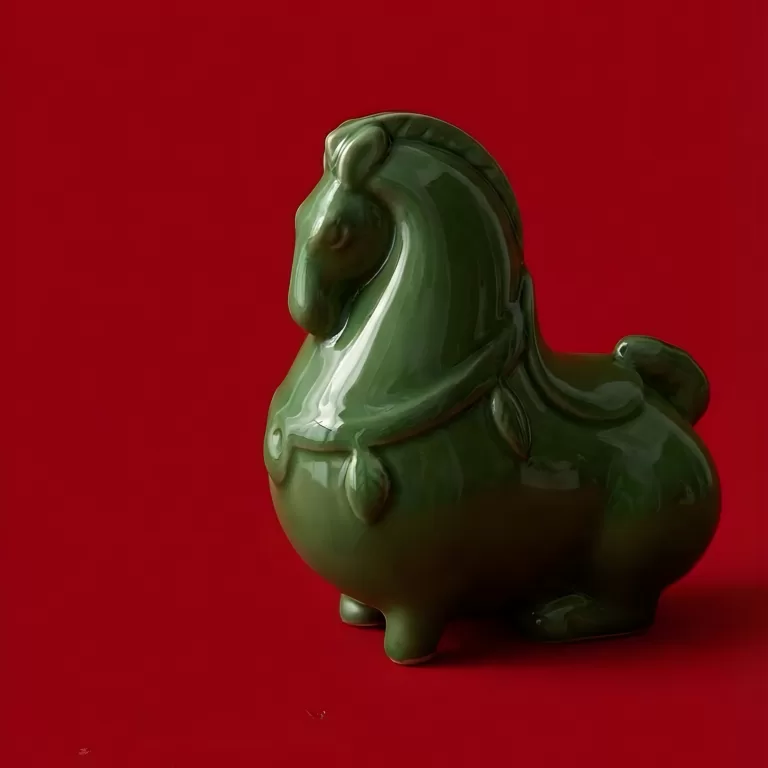
Ritual can make a change tangible. The Fire Horse New Year ritual uses mint, eucalyptus and thyme to cleanse a space and set intentions as the Year of the Fire Horse begins on February 17, 2026. It is framed as choreography for a new pace rather than superstition.
Practical planning supports those intentions. Booking flights for New Year's travel explains why prices climb when everyone wants to travel at once, and why booking early and staying flexible on dates helps. Financial independence and the 4% rule looks at the longer game: covering your living expenses without relying on active work, which is ultimately about choice.

Frequently asked questions
Do I have to wait to drink coffee in the morning?
No. The article on waiting to drink coffee presents it as a gentler option, not a rigid rule. It is about respecting the body's natural awakening process and feeling a steadier start to the day.
Why do my weekends feel so short?
According to our article, the hours do not shrink; the experience does. Exhaustion, screens and unrealistic expectations of perfect recovery blur free time, so it leaves few memories and little sense of renewal.
Is the brain really finished developing at 25?
Our article on brain adolescence says no. Newer neuroscience shows the brain stays plastic and responsive into the early thirties, with a major transition around age 32.
How can I get back into reading if I am tired and distracted?
Start small. The article on restarting a reading habit suggests ten quiet minutes and a short, intimate book, since compact books ask less energy and make an easy doorway back.
Are the horoscopes meant as predictions?
They are presented as reflection tools. The October 2026 horoscope calls itself a guide for reflection, not a verdict, and the February 2026 horoscope separates astronomical events from symbolic interpretation.
Quitting Complaining Won’t Make You a Millionaire, but Learning to Solve Problems Can Change Your Life
Complaining won't make you a millionaire, but learning to solve problems gives you more control and calm. Here are realistic steps to start today.