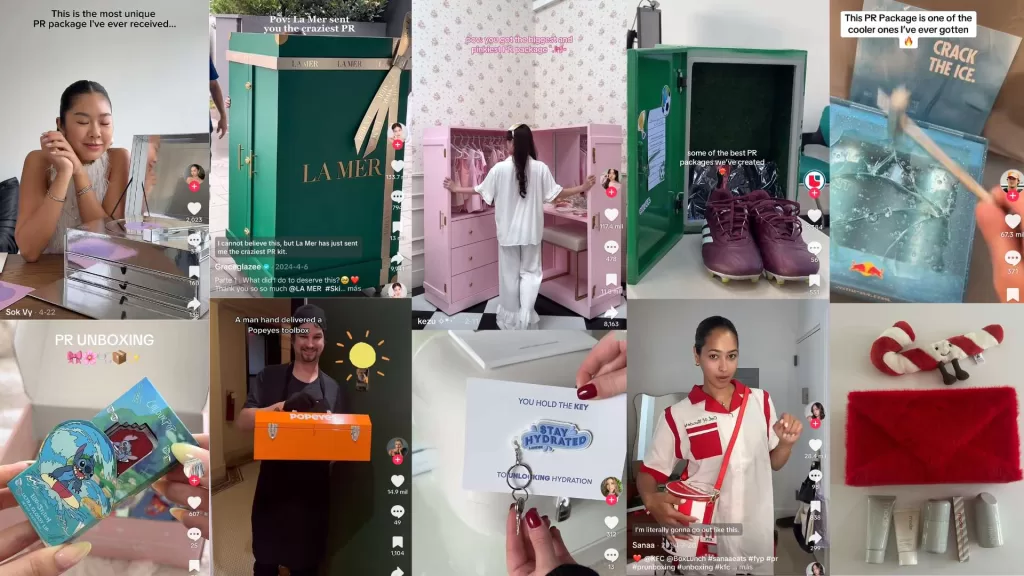
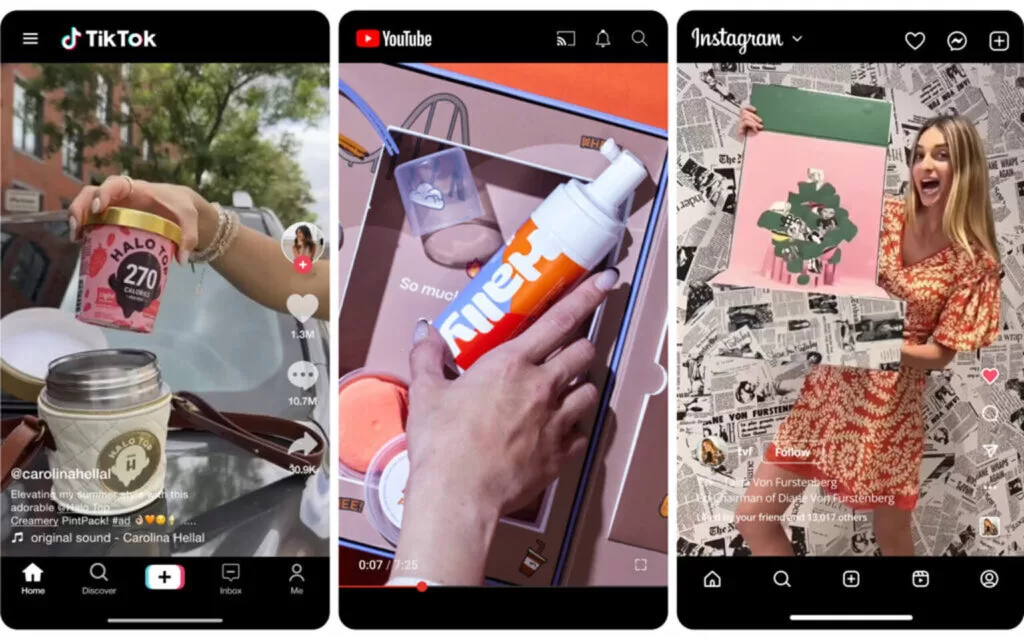
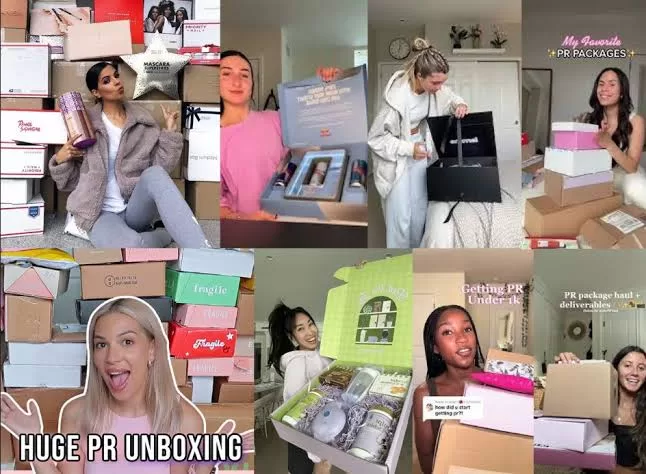
For years, the formula seemed foolproof: a beauty or fashion brand sent a beautiful package to a content creator, the creator showed it off on social media, and sales followed on their own. In 2026, that promise has weakened. Influencer gifting remains a public relations tool, but it is no longer enough to send products and hope for the best.
According to the analysis published by Vogue, the key is no longer sending hundreds of products, but selecting relevant recipients, designing experiences that spark interest, and measuring the results. This idea is worth pausing on, because it changes the underlying question: are we building relationships that generate results, or just sending boxes in the hope of showing up on social media?
Why gifting no longer guarantees anything
The fundamental difference is simple, though often overlooked: receiving a product does not mean being obliged to post about it, and a post does not guarantee sales. Several factors explain this shift:
- Market saturation: creators receive dozens of shipments and it’s impossible to feature them all.
- Changing algorithms: even when someone does post, reach is not guaranteed.
- New commercial expectations: many creators expect clear agreements and, in some cases, compensation.
- More critical audiences: people easily tell the difference between a genuine recommendation and forced content.
The changes redefining gifting
Rather than disappearing, gifting is evolving. These are the main transformations:
- Before: mass product shipments. Now: strategic selection of recipients.
- Before: priority on follower count. Now: audience fit and results.
- Before: expectation of spontaneous posts. Now: clearly defined agreements and expectations.
- Before: measurement by mentions and likes. Now: tracking of reach, clicks, and conversions.
- Before: generic gifts. Now: personalized, relevant experiences.
Quality over quantity
A creator with a small but brand-aligned community can contribute more than a huge account with a scattered audience. Choosing well means looking at the type of content they publish, the conversation they generate, and whether their audience matches the customer the brand wants to reach.
The experience matters
A well-thought-out shipment, with careful packaging, a personalized note, and a product suited to the recipient’s style, communicates something different from a generic box. Personalization shows that the brand knows the creator and doesn’t treat them as just another number on a list.
Three models that shouldn’t be confused
One of the most common mistakes is mixing forms of collaboration that follow different rules. It’s worth distinguishing at least three models:
- Organic gifting: a product is given without requiring content in return.
- Commercial collaboration: there is an agreement on posts, formats, dates, and compensation.
- Affiliate program: the creator may receive a commission on sales attributable to their links or codes.
These models can complement one another, but they require different conditions and ways of measuring results. In addition, commercial content should be properly disclosed where applicable, both for transparency with the audience and as an industry best practice.
An opportunity for Costa Rican brands
This topic holds special value for Costa Rica’s beauty, wellness, and fashion ecosystem, where an emerging brand may have limited resources to invest in advertising. In that context, sending products to dozens of accounts without criteria can become an expense that is hard to justify.
A more sensible alternative is to develop a pilot program with five or ten creators who have been carefully selected. With that small group, the brand can:
- Define clear objectives, such as awareness, traffic, or sales.
- Establish what is expected from each relationship, without ambiguity.
- Use its own links or codes to measure results.
- Evaluate what it has learned and decide whether it makes sense to expand the investment.
This approach allows brands to learn without committing the entire budget, and it also helps build longer-lasting relationships with creators, stylists, and other industry professionals.
Gifts, advertising, and editorial: they are not the same
It’s also useful to remember that an editorial feature, an advertising campaign, and a PR shipment are not equivalent services. Each responds to different objectives, conditions, and metrics. A product sent as a PR gesture is not the same as a paid campaign, nor does a paid campaign replace the judgment of a media outlet that decides what to cover and how.
For brands, understanding these differences avoids frustration: you can’t demand from a gift what only a commercial agreement offers, nor measure a campaign by the same criteria as a PR initiative.
What brands should ask themselves in 2026
Before preparing the next shipment, it’s worth asking a few basic questions:
- Why this creator and not another? Is there a real affinity with my brand?
- What do I want to achieve: visibility, product trial, sales?
- Is this a gift, a collaboration, or an affiliate program?
- How will I measure the result beyond likes?
- What can I offer to make the experience memorable?
Conclusion: fewer boxes, more strategy
Gifting isn’t dead, but it has matured. Giving products can open conversations and build trust, as long as it is part of a strategy with objectives, selection criteria, and measurement. For beauty, fashion, and wellness brands, including Costa Rican ones, the advantage is no longer in sending more, but in sending better and building relationships where both sides understand what they expect and what they gain.