
When we think of mental strength, we tend to picture someone unshakable, who never doubts and gets through everything without blinking. The reality is far more human. Strengthening your mind isn’t about eliminating difficulties or pushing yourself harder at all costs. It’s about learning to relate better to your thoughts, facing mistakes without turning them into an identity, and moving forward with consistency.
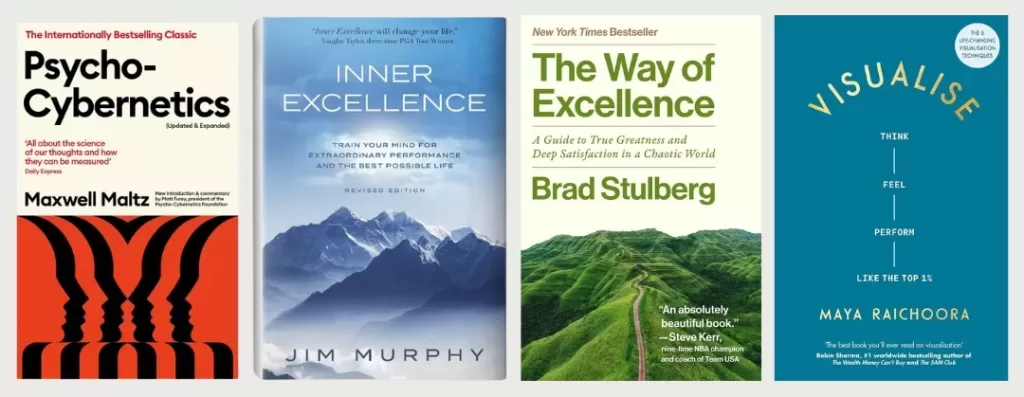
This selection brings together three books and one additional read that, from different angles, share that idea. They aren’t miracle manuals: they are starting points for reflection and for trying out small habits in your day-to-day life.
Three skills that run through these books
Before getting to the titles, it’s worth outlining three concepts that come up again and again:
- Self-confidence: reasonably believing in your ability to learn and act, even without guarantees of success.
- Resilience: the ability to recover and adapt after a setback, without denying what hurts.
- Consistency: sustaining small efforts over time, even when motivation rises and falls.
The three main books
1. Psycho-Cybernetics, by Maxwell Maltz
The central idea of this classic is that the image we have of ourselves influences what we decide, what we dare to try and how we react to results. If you see yourself as someone incapable of speaking in public, you’ll probably avoid doing it, and that pattern gets reinforced.
Maltz proposes building confidence through small actions, clear goals and mental rehearsal. An everyday example: if you struggle to share your opinion in meetings, you can start by offering just one brief idea per week, instead of demanding that you transform overnight.
When reading it, keep in mind that it’s a book from another era. Take away the logic of moving forward step by step and reviewing the story you tell yourself about yourself, and treat any overly sweeping claims with caution.
2. Inner Excellence, by Jim Murphy
This book argues that personal performance doesn’t depend solely on achieving results. It also matters to develop focus, confidence and a healthier relationship with failure and pressure.
A common example: before a job interview or an exam, the mind fills with catastrophic scenarios. The book’s approach invites you to notice those thoughts, bring your attention back to what you can do in that moment, and treat mistakes as information, not a verdict.
It’s a useful read if you tend to judge yourself harshly when something goes wrong or if pressure makes you freeze. Its value lies in shifting the question from “What if I fail?” to “What can I learn, and what should I focus on now?”
3. The Way of Excellence, by Brad Stulberg
Stulberg reflects on excellence as a combination of growth, purpose and perseverance. He highlights the importance of focusing on the process and sustaining small efforts over the long term, rather than obsessing over immediate results.
Think of someone who wants to get back into exercise, learn a language or write regularly. With this approach, the goal stops being “do it perfectly” and becomes “show up consistently,” even on low-energy days.
It’s a good complement to the other two because it grounds mental strength in something very concrete: realistic routines, patience and a sense of meaning in what you do.
Additional read: Visualise, by Maya Raichoora
If you’re interested in working with your imagination, this book presents visualization techniques for preparing for difficult situations, rehearsing behaviors and training your focus. Its approach goes beyond imagining positive outcomes.
The difference matters. Picturing yourself succeeding can be pleasant, but mentally rehearsing how you’ll breathe, what you’ll say or how you’ll respond if something unexpected happens is more practical. For example, before a difficult conversation, you can imagine how you’ll begin it and how you’ll handle your own tension if the tone escalates.
What is the author’s proposal and what does research support
It’s worth distinguishing between each author’s ideas and what psychology has studied more broadly. According to the general consensus in psychology, some ideas have reasonable support:
- Specific, achievable goals tend to help more than vague or overly ambitious ones.
- Moving forward in small steps makes it easier to build habits and feel progress.
- Treating mistakes with curiosity, rather than harsh self-criticism, is associated with better recovery.
- Mentally rehearsing a situation can help you prepare for it, especially when combined with concrete plans and real practice.
On the other hand, the idea that simply thinking positively is enough to get results lacks solid support. Books can inspire you, but they don’t replace practice, personal context or, when needed, professional support.
How to get the most out of them without pressuring yourself
- Read with a notebook: jot down one idea per chapter and decide on a minimal action to test it.
- Choose just one skill: self-confidence, resilience or consistency. Working on all of them at once tends to be exhausting.
- Turn mistakes into data: at the end of the week, note what went wrong, what you learned and what you’ll adjust.
- Measure the process: instead of “improve my confidence,” try “speak once in the weekly meeting.”
- Stay flexible: if a piece of advice doesn’t fit you, let it go. Not every method works for everyone.
When to seek a health professional
Books can be a support, but they don’t replace professional care. It’s advisable to consult a psychologist, a doctor or another mental health professional if:
- You feel intense sadness, anxiety or discouragement that lasts over time.
- Your worries or negative thoughts interfere with your work, studies or relationships.
- You notice significant changes in your sleep, appetite or energy.
- You struggle to function day to day despite trying to help yourself on your own.
- You have thoughts of harming yourself. In that case, seek immediate help through emergency services or the helplines in your country.
Asking for help is not a sign of weakness. It’s part of taking care of your well-being.
A strong mind is a flexible mind
These three books and the additional read agree on the essentials: it’s not about being invulnerable, but about learning to live with doubt, mistakes and pressure without being paralyzed by them. If you pick one title, practice one idea at a time and keep realistic expectations, you’ll begin to strengthen your mind at your own pace, with patience and consistency.