Fashion in 2026 is pulling in two directions at once. On the runway and in the street, clothes are becoming bolder in shape, from generous trousers to boots that climb the whole leg, while color and styling grow calmer and more deliberate. Behind the scenes, brands face cautious shoppers, tighter budgets and a push toward more responsible materials.
This guide organizes our recent fashion coverage by theme rather than by date. You will find what to wear, how to think about color and spending, the houses and moments shaping the cultural conversation, the business pressures behind the headlines, and the sustainability stories that complicate the picture. Each section points to the full articles if you want to go deeper.
Shape and footwear: where the statement lives in 2026
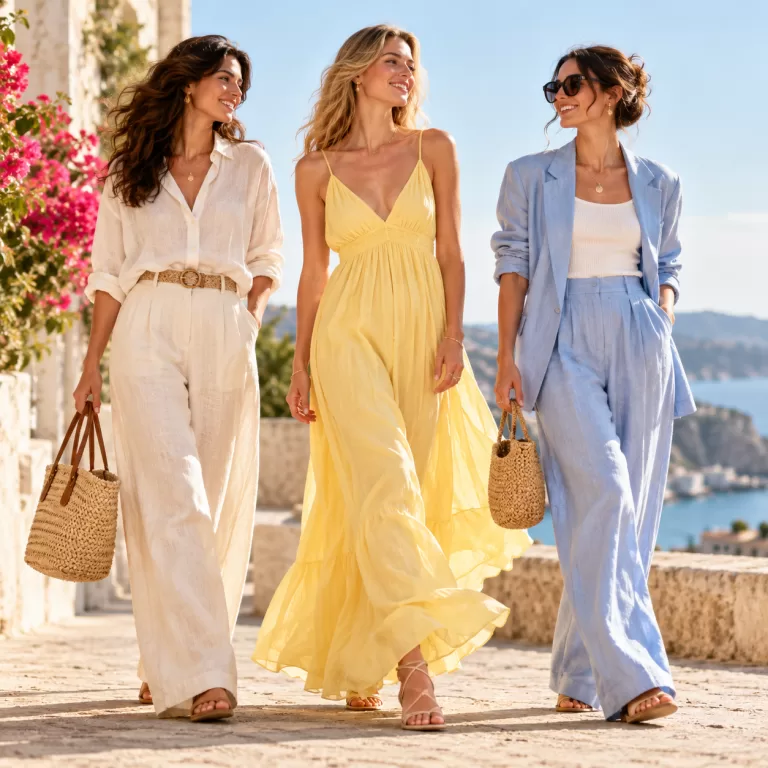
Two silhouettes show how fashion is moving away from flat minimalism. Balloon pants concentrate their volume between the hip and the ankle, redrawing proportions in an almost architectural way while staying comfortable. The article presents them as an answer to years of body-skimming shapes and clothes that constrict.
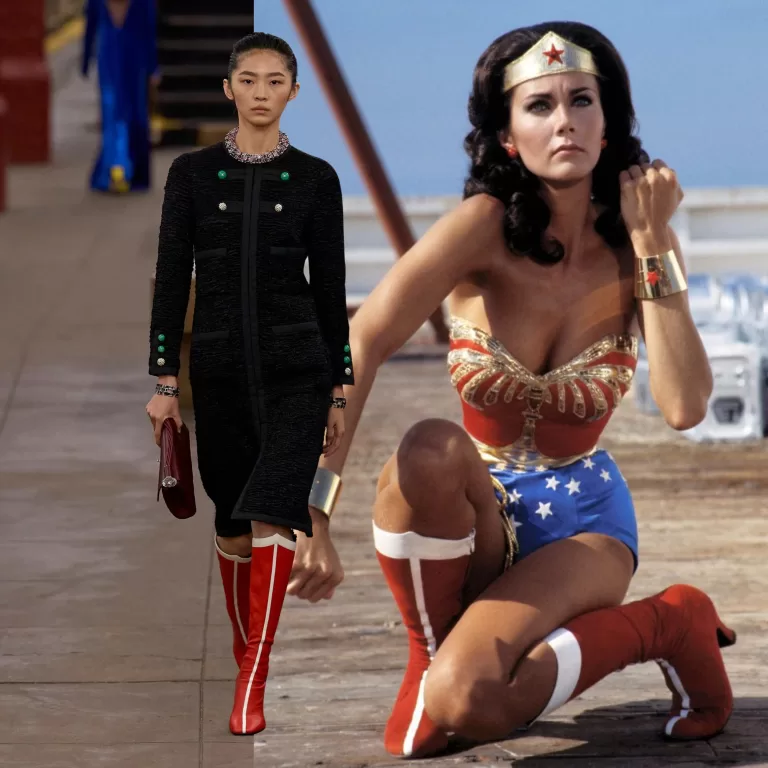
At the other end of the leg, superheroine boots work with a high or XXL shaft cut close like a glove. The piece reads them as urban armor and power dressing rather than costume. Put the two together and a clear idea emerges: generous volume on top, a precise second-skin line below.
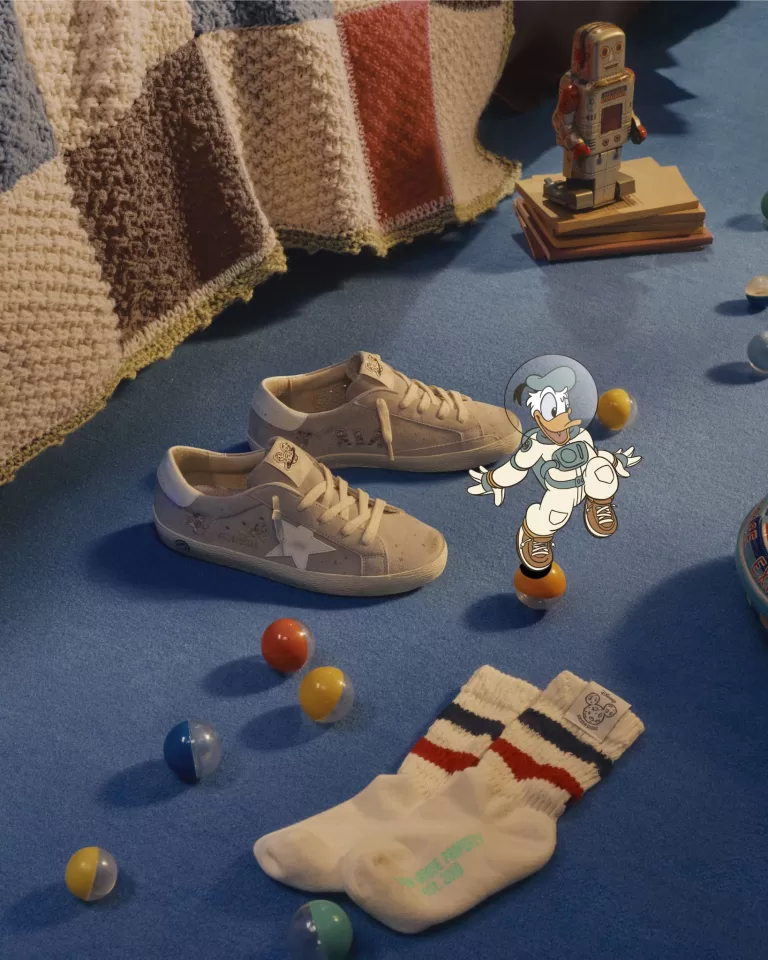
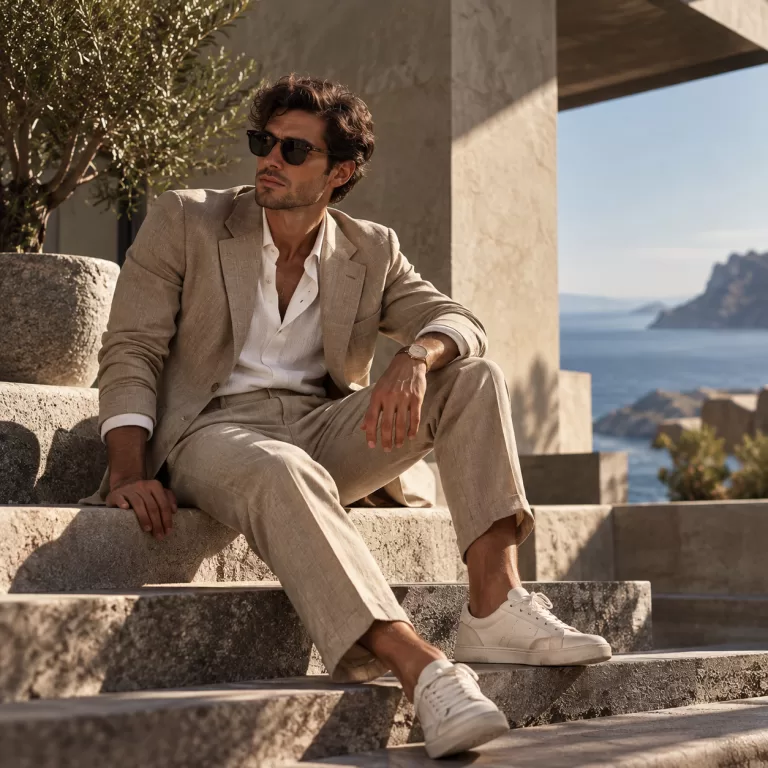
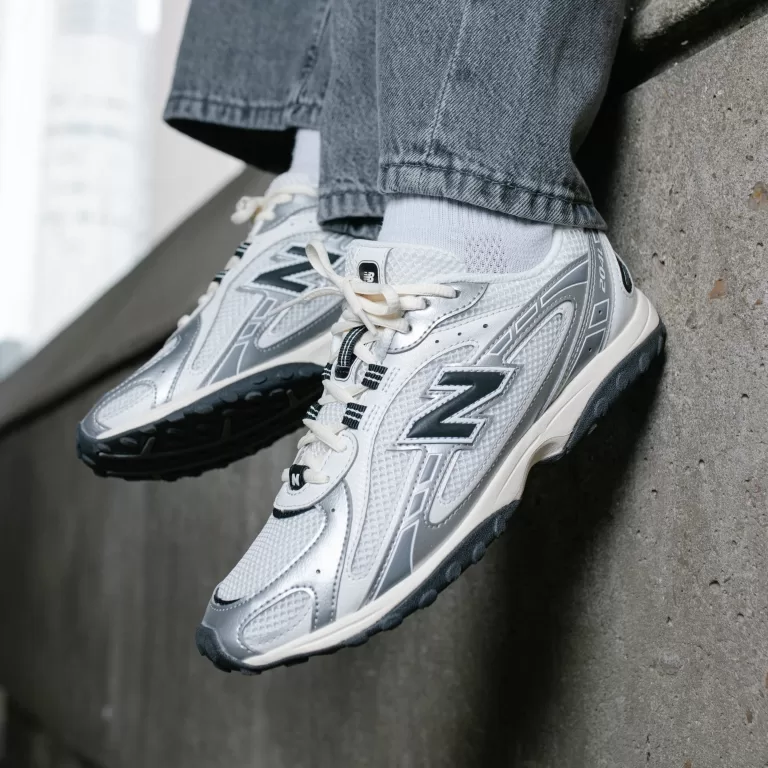
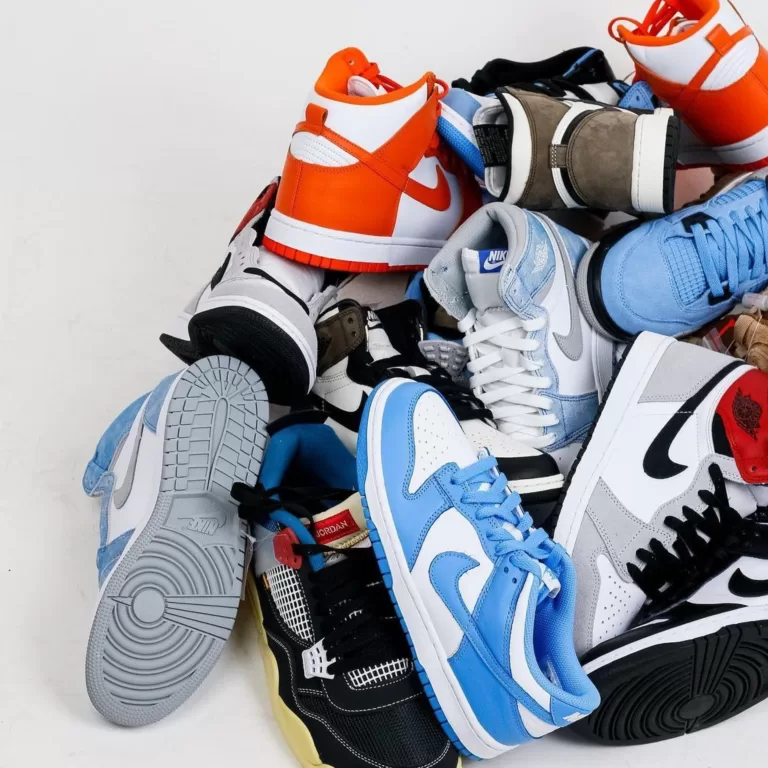
Footwear also carries quieter stories. Classic sneakers for 2026 are framed as pairs that settle into daily life instead of chasing viral drops, a kind of portable memory. If you want a lasting base for any silhouette, that is the angle to read.
Color: from soft white to a single yellow shoe
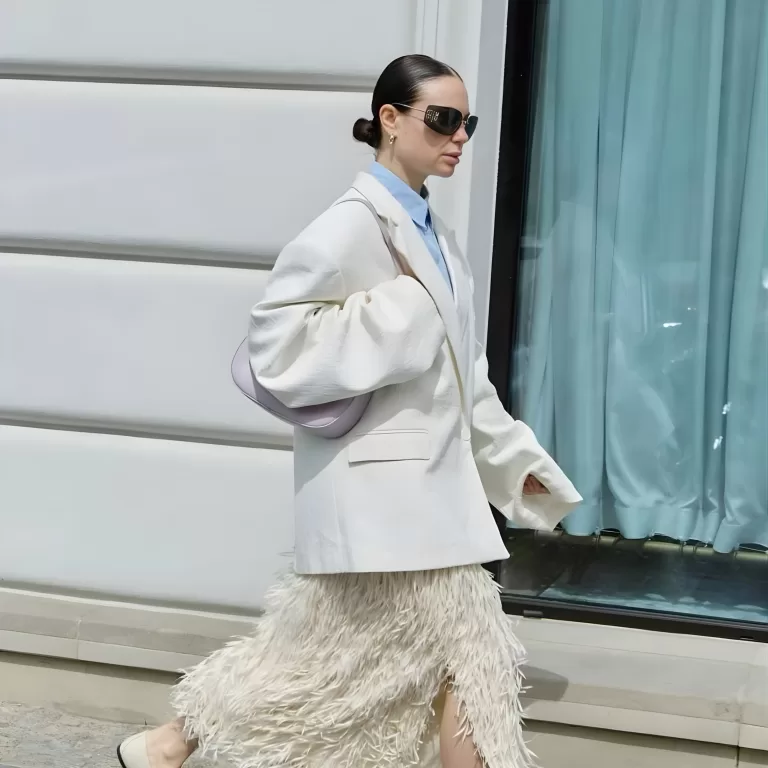
Color in 2026 is less about grabbing attention and more about setting a mood. Fashion colors 2026 describes palettes that are more serious, tactile and reflective, shades that accompany the wearer rather than provoke. Cloud Dancer, Pantone 11-4201, makes the point strongly: it is the first white chosen as Color of the Year, described as calming, clear and open-ended.
White also showed up on the red carpet. At the Golden Globes, ethereal whites and resolute blacks dominated, and the article reads restraint and intention as the new measure of luxury rather than excess.
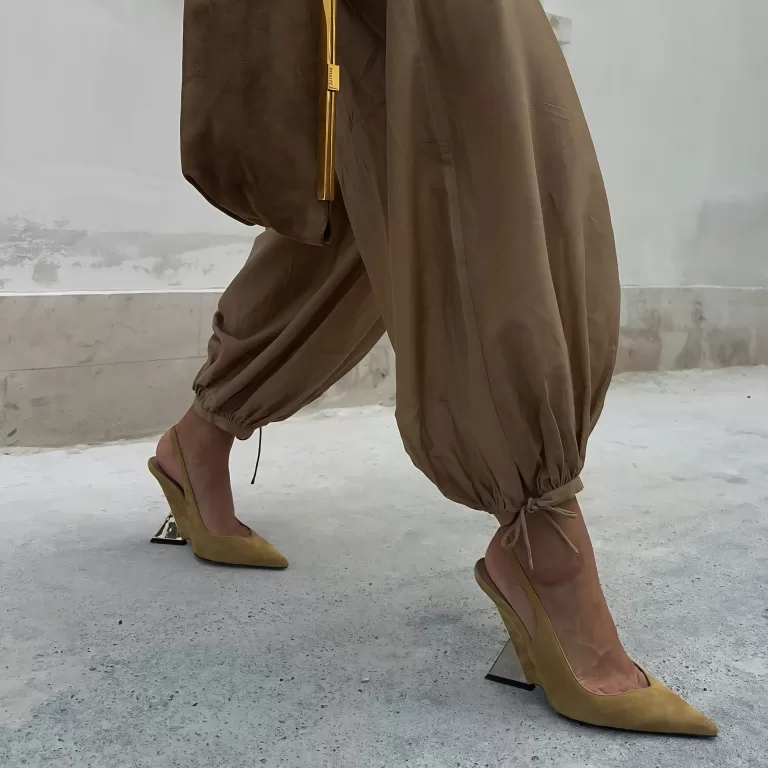
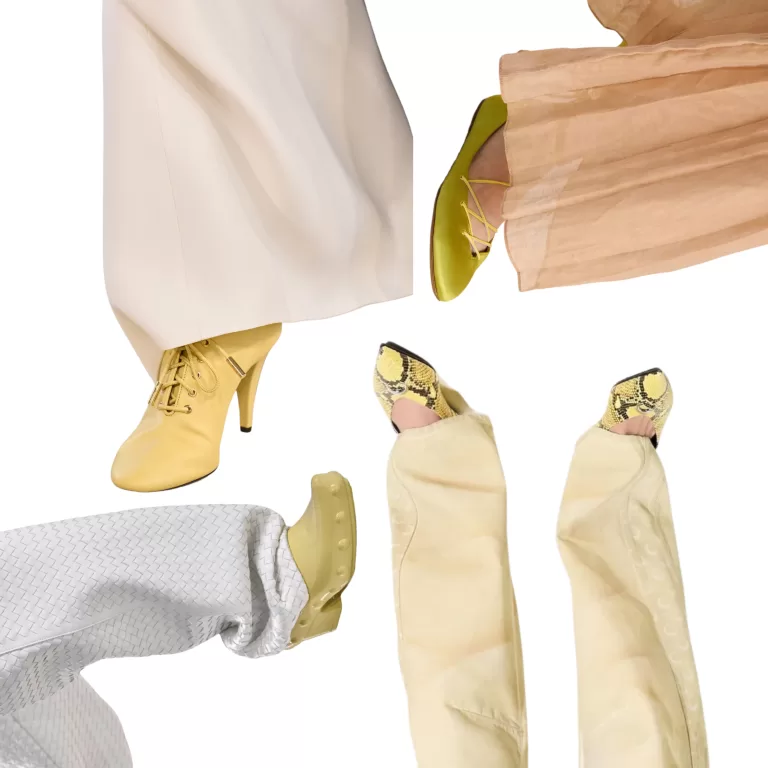
If you prefer a small dose of color, yellow shoes are presented as a deliberate gesture at the base of the look: visible without shouting. It is a useful reminder that a single bright piece can anchor an otherwise neutral outfit.
Dressing with intention: frugal chic and well-chosen details
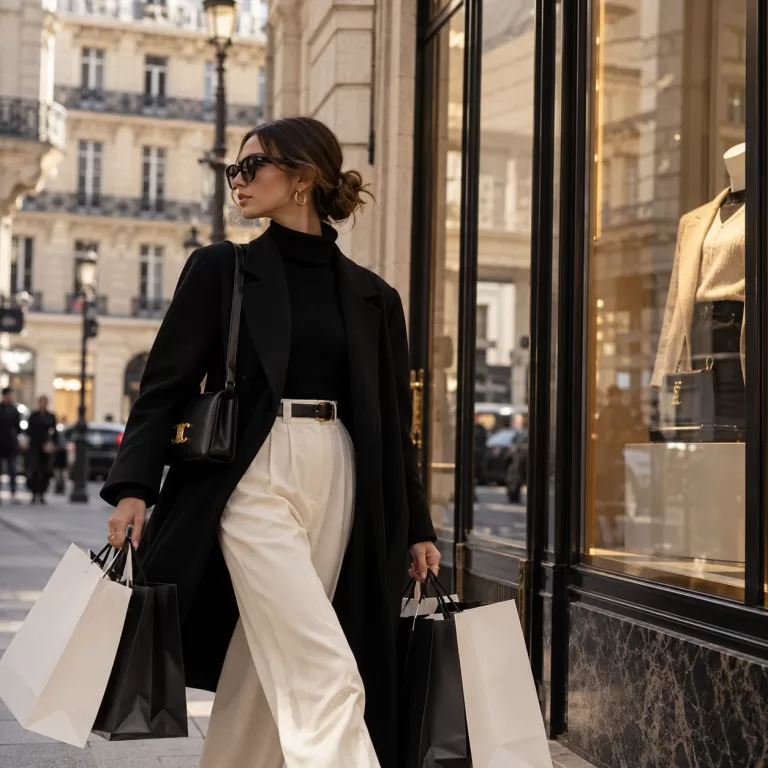
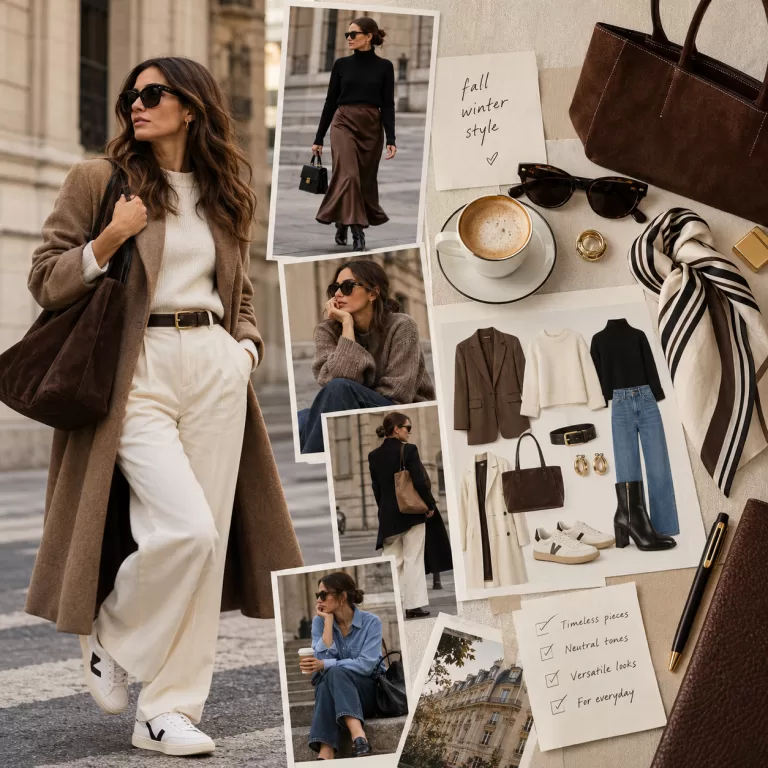
Rising prices, fatigue with fast fashion and visual oversaturation have changed how people shop. Frugal chic 2026 argues that good taste comes from editing: choosing calmly, repeating with intention and building a coherent image. Looking expensive, in this view, depends on how clearly you inhabit your style rather than on what you spend.
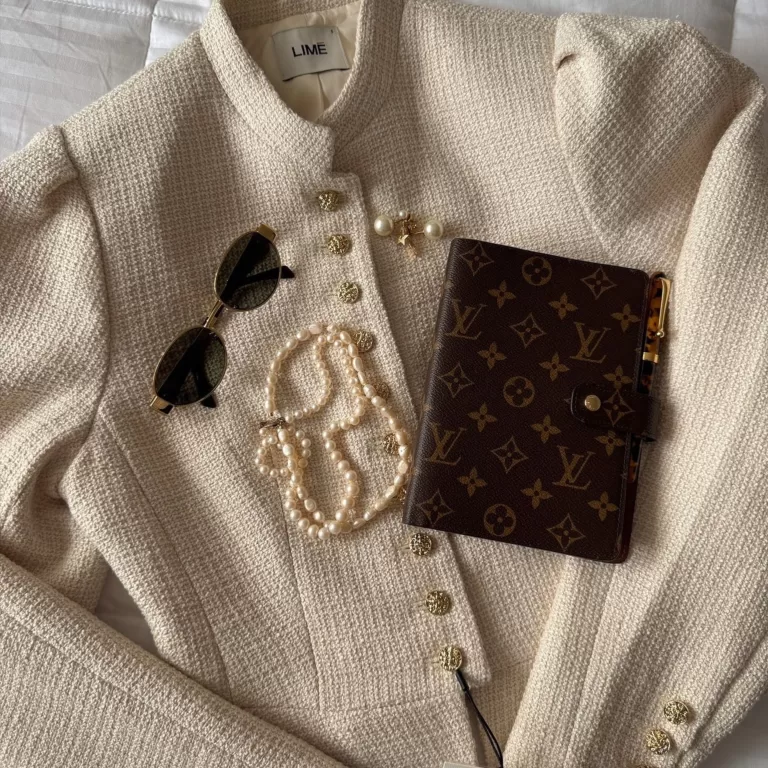
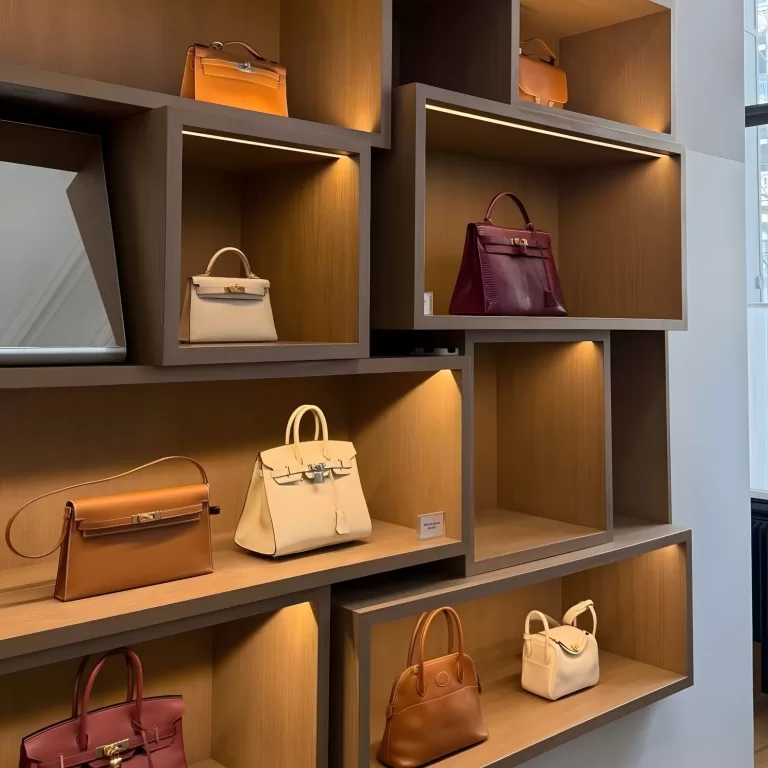
That mindset pairs naturally with the classic sneakers above and with accessories bought for meaning rather than volume. In Costa Rica, Just One Paris, led by Pia Beeche and Johana Bukele, began with the idea of bringing unique pieces, just one of each style, handpicked in Paris. It is a local example of curated, limited choosing.
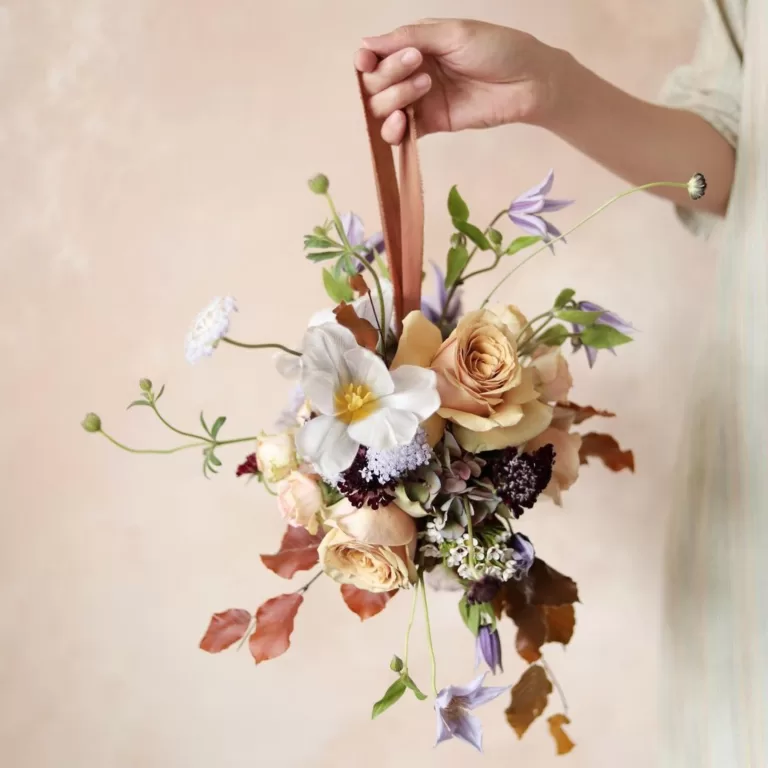
The same instinct appears in ritual dressing. Bridal floral bags reinterpret the bouquet so the bride's hands are free, a small example of tradition being adapted to feel personal and relaxed.
- Edit before you add: decide what you already wear on repeat.
- Anchor a look with one considered piece, such as a shoe, a bag or a color.
- Prefer pieces that can live across seasons rather than a single trend.
Houses, legacies and cultural moments
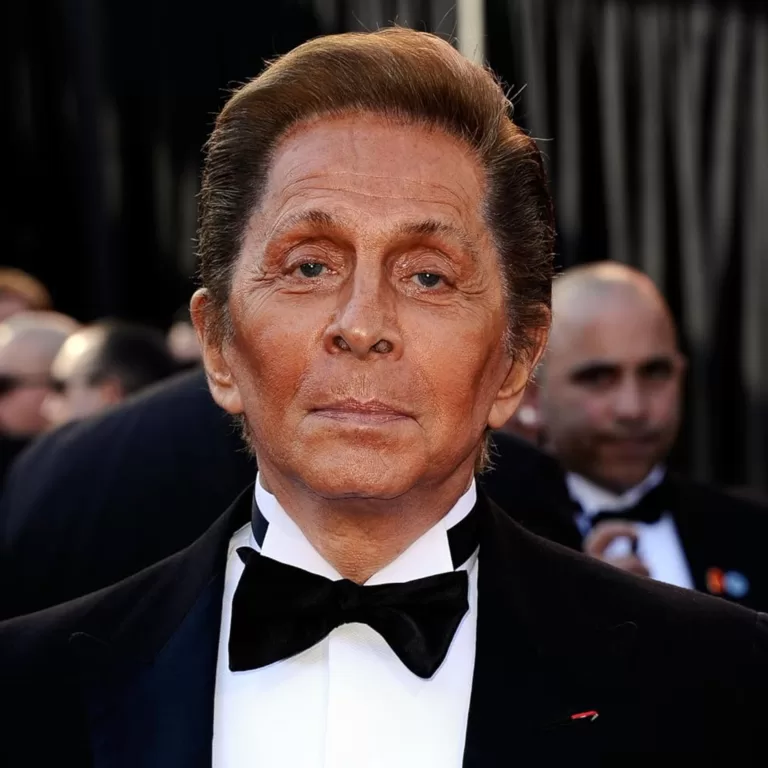
Several stories this season are about memory. Valentino Garavani died in Rome on January 19, 2026, at 93, and our tribute looks at how his evening gowns and signature red shaped red-carpet culture. Giorgio Armani, who died in 2025 at 91, is remembered for a relaxed tailoring that transformed both menswear and womenswear.
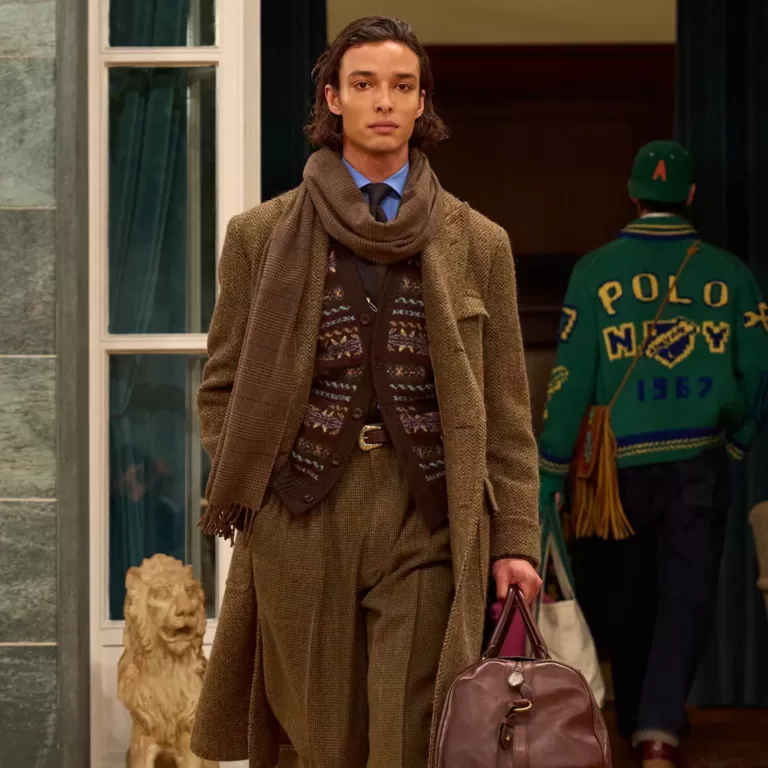
The menswear calendar carried the same tension between tradition and reinvention. Milan Men's Fall 2026 looks at designers who blur borders and timelines, while Ralph Lauren's return to Milan after 22 years was framed as timelessness as a form of resistance.
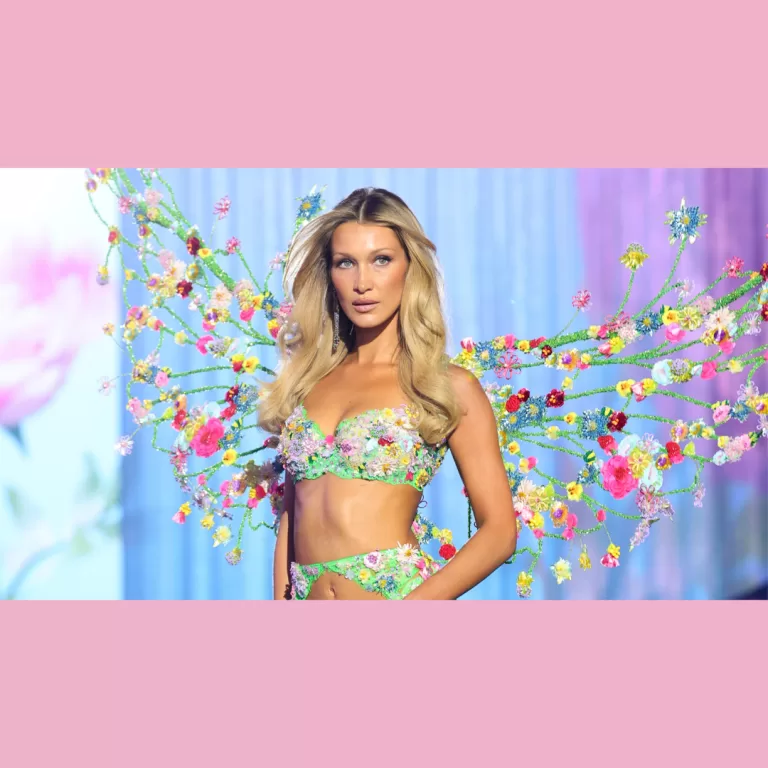
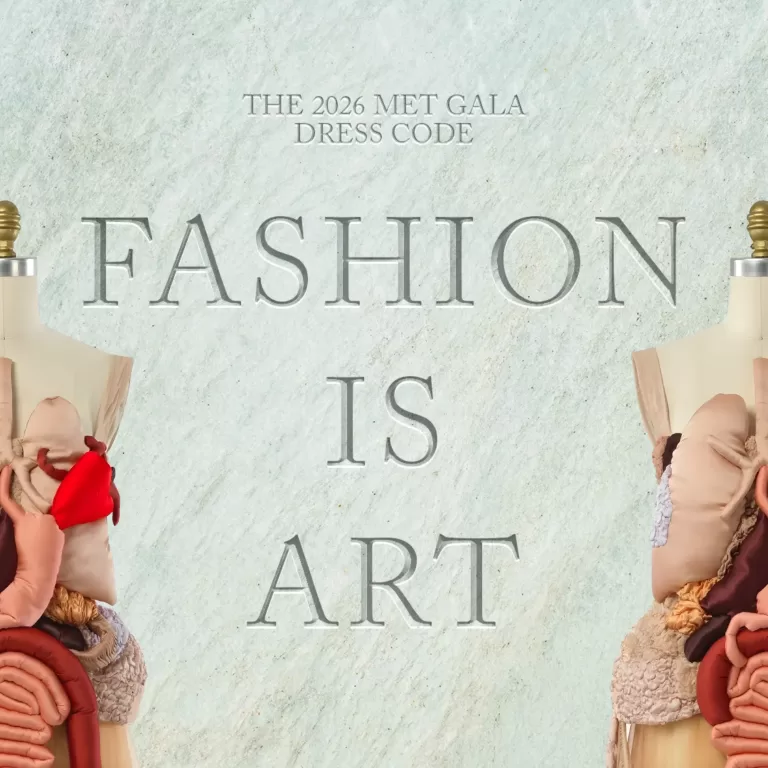
Culture-wide events keep widening the definition of fashion. The Met Gala 2026 theme, "Fashion is Art", invites guests to treat the body as a living canvas across 5,000 years of art history. New York Fashion Week 2025 leaned toward texture, craft and sustainability, and the Victoria's Secret Fashion Show 2025 presented a more inclusive casting of ethnicity, body type and age.
The business behind the clothes
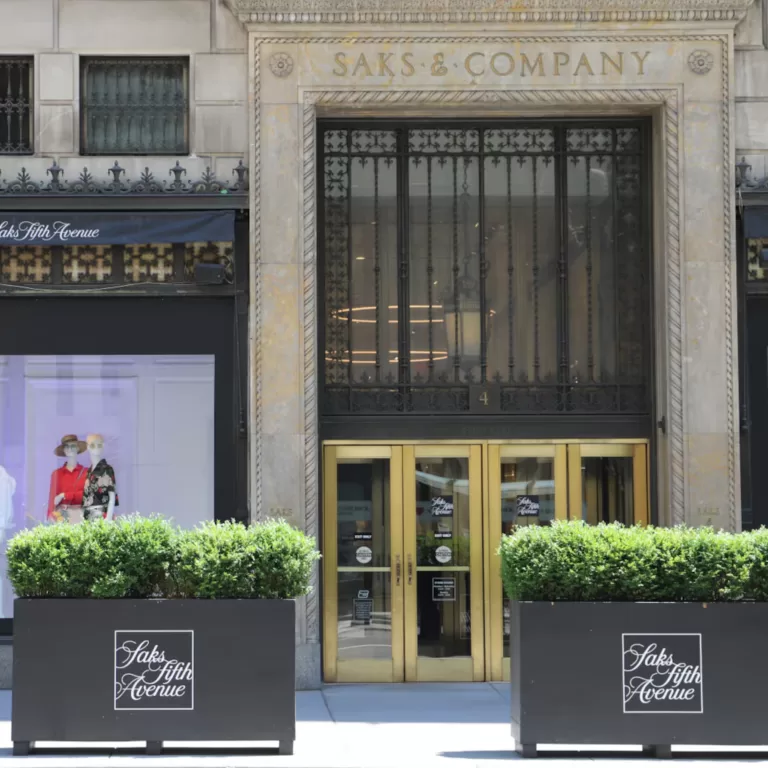
Money is a constant subtext this season. Nike reported about $12.4 billion in second-quarter fiscal 2026 revenue, essentially flat, with roughly 1% growth and sneakerhead fatigue. Saks Global filed for bankruptcy just 13 months after its $2.7 billion Neiman Marcus acquisition, leaving nearly 17,000 employees facing uncertainty. In a different kind of bet, Prada's acquisition of Versace closed in December 2025 and asks minimalism and maximalism to coexist.
Our strategy pieces explain how brands are responding. Money saving tips for fashion brands ties cost-cutting to a cautious consumer, noting that US consumer confidence fell close to historic lows in late 2025, and warns against cuts that damage long-term brand value. The future of fashion in 2026 treats adaptation as the central strategy amid tariffs, conscious consumers and fast-moving technology.
For newer and smaller labels, launching a fashion brand in 2026 stresses precision and emotional connection in a market where funding is scarce. On the communications side, the new rules of marketing and the fatigue of 'Always On' luxury marketing both argue for meaning and coherence over constant visibility, and BoF Insights Brand Pulse looks at measuring desire across social media, search and AI.
Sustainability: circular in theory, uneven in practice
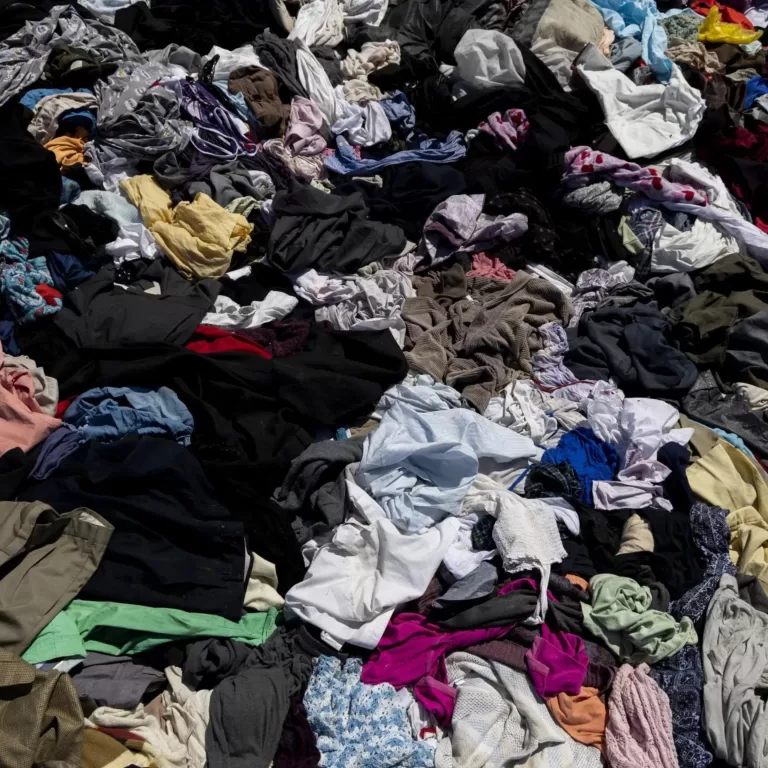
Kantamanto Market in Accra is described as a forced circular economy: more than 30,000 traders working across 18 acres, processing up to 25 million second-hand garments a month, largely from the United States, Europe and Australia. It shows what happens to clothing discarded elsewhere, and why the article frames sustainability there as necessity, not branding.
On the technology side, textile-to-textile recycled polyester covers Nike's partnership with Syre, announced in November 2025. Syre chemically recycles used textiles through depolymerization, aiming to turn garments into new fibers without relying on PET bottles.
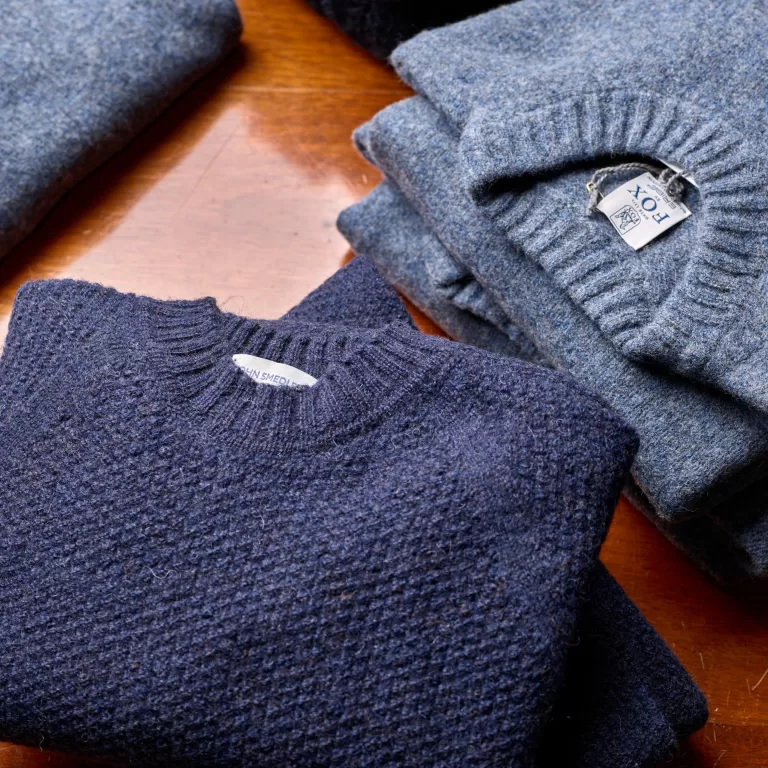
The picture is not uniform. The knitwear sustainability paradox contrasts John Smedley's durable natural-fiber luxury with a school uniform costing over £400 that was 98% acrylic. When you shop, longevity, fiber and repairability are practical questions worth asking.

Frequently asked questions
What is the main silhouette trend for spring/summer 2026?
Our coverage points to balloon pants, whose volume sits between the hip and the ankle, combining comfort with a strong visual presence. For colder or transitional looks, superheroine boots with high, glove-fitted shafts are the matching statement.
Is white really a color to wear in 2026?
Pantone chose Cloud Dancer, a soft, balanced white, as its Color of the Year 2026, the first time a white has been selected. White and black also dominated the Golden Globes red carpet, so it is a visible trend rather than a niche one.
What does frugal chic mean?
It is an approach where elegance comes from editing, repeating pieces with intention and building a coherent personal style, rather than from spending more. It responds to inflation, fast fashion fatigue and visual oversaturation.
Why are big fashion companies under pressure?
The articles cite cautious consumers, slow growth at Nike, the debt-heavy Neiman Marcus deal behind Saks Global's bankruptcy, and tariffs and technology reshaping the industry. Brands are responding with cost control, careful pricing and a stronger focus on meaning.
How can I tell if a fashion brand's sustainability claims are credible?
Our sources suggest looking at the material and the process, such as natural fibers, durability and repairability, or recycling that turns textiles back into fibers. The knitwear article also shows that a brand's sustainable image does not always carry over into everyday products like school uniforms.
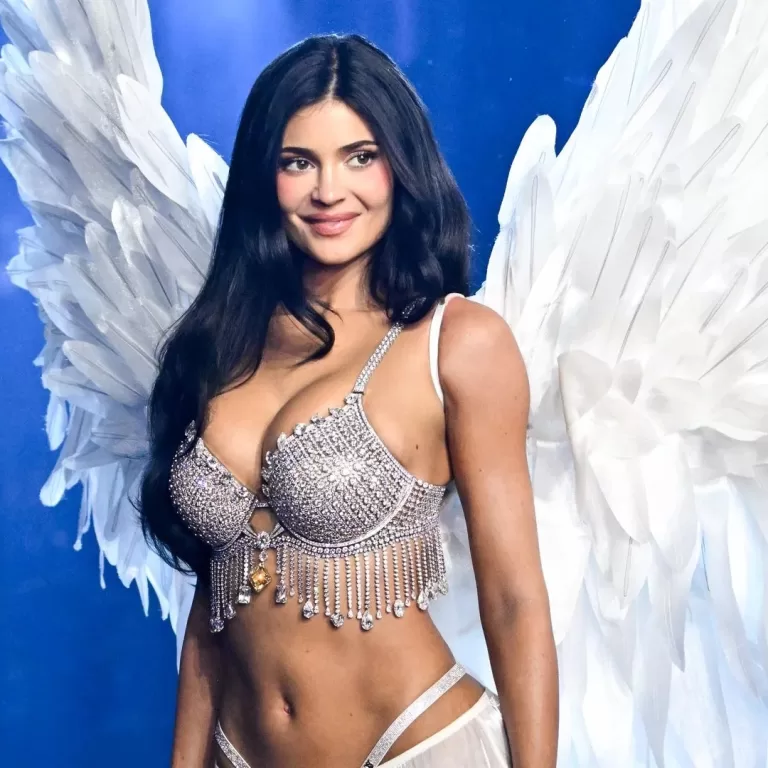
Kylie Jenner and the $50 Million Fantasy Bra: The Debut, the Controversy and Style Lessons
Kylie Jenner debuted at Victoria’s Secret in the $50 million Fantasy Bra. Here are the facts, the controversy and how to get inspired without…