Some destinations are best enjoyed when the journey is part of the experience, and Alaska is one of them. Traveling by train lets you take in forests, rivers, valleys and mountain ranges without the stress of driving, and with a huge window to look out of. The scenery also changes completely with the season: in winter, white landscapes and silence take over; in summer, deep green and extremely long days.
Alaska by Train: Why It’s a Different Way to Travel
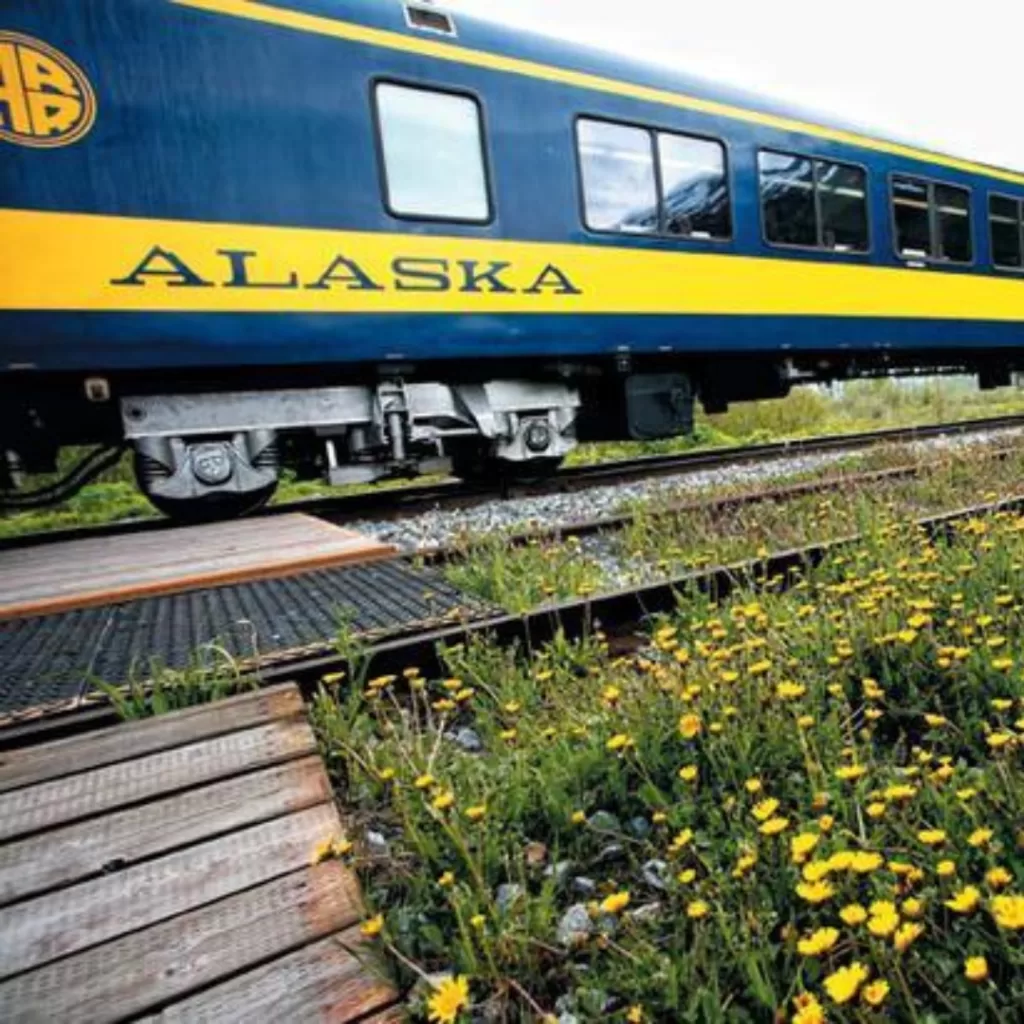
The Alaska Railroad connects several parts of the state and offers routes designed to make the most of the surroundings. Many of them cross areas that are hard to reach by road, giving you the feeling of entering a more remote and authentic Alaska. It’s a slow-paced journey, ideal for those who want to take it all in, take photos and unplug.
This guide invites you to think of Alaska at two times of the year: winter, with its snowy atmosphere and the chance to see the northern lights, and summer 2027, when it’s wise to start planning early for the most sought-after scenic routes.
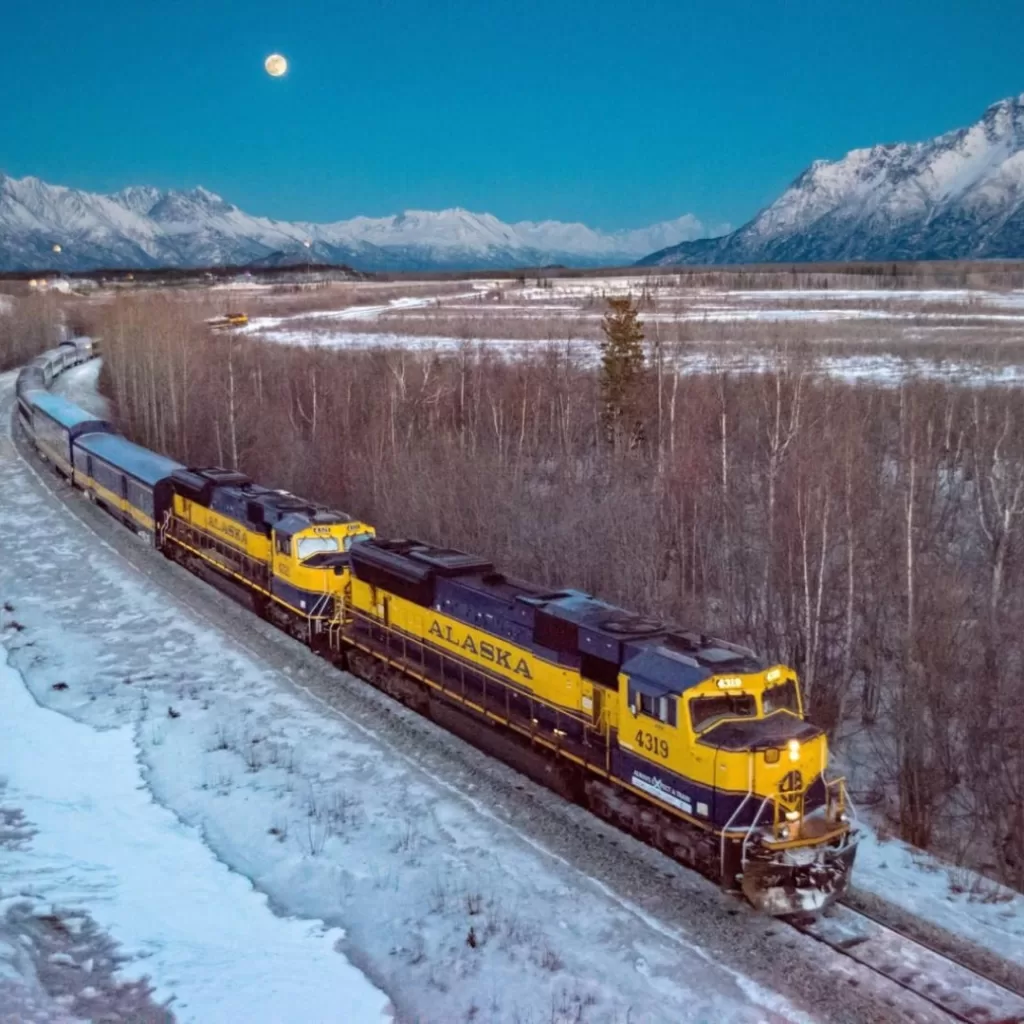
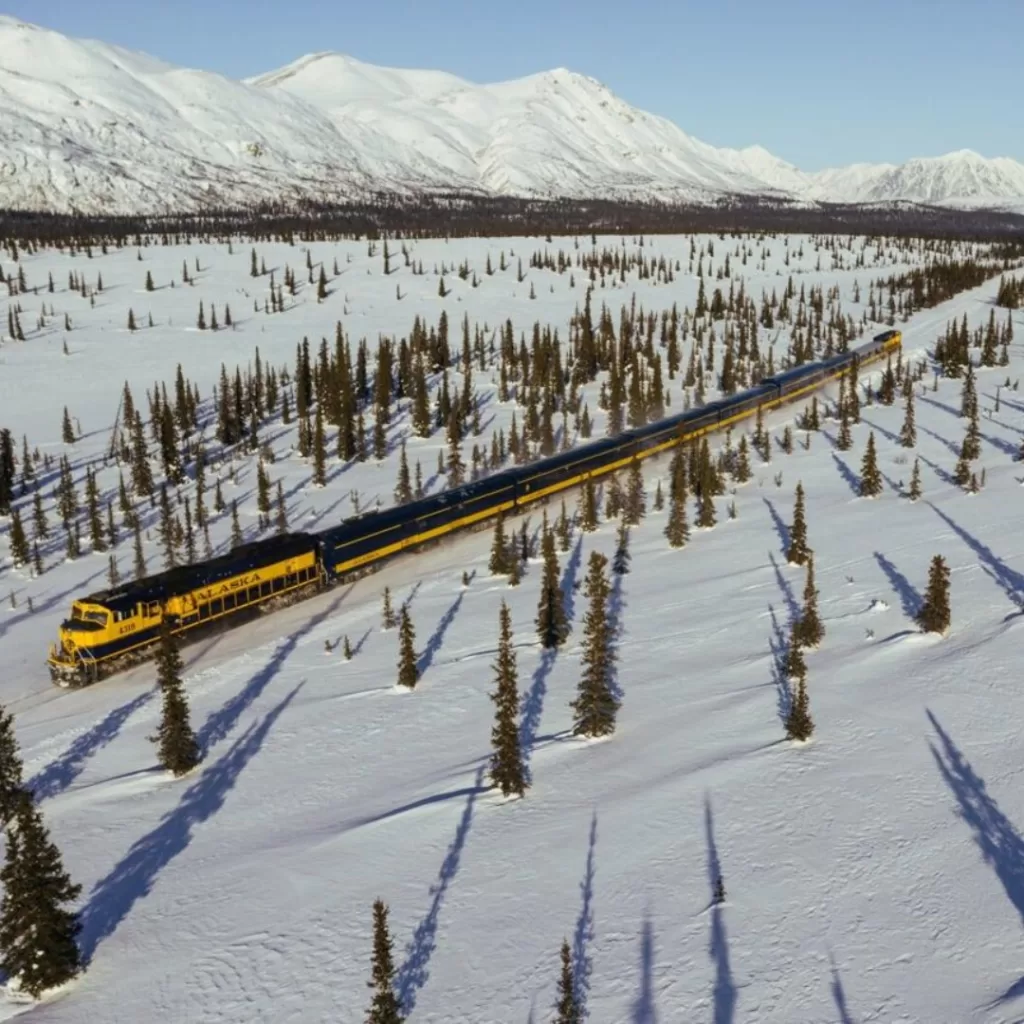
Winter: The Aurora Winter Train Between Anchorage and Fairbanks
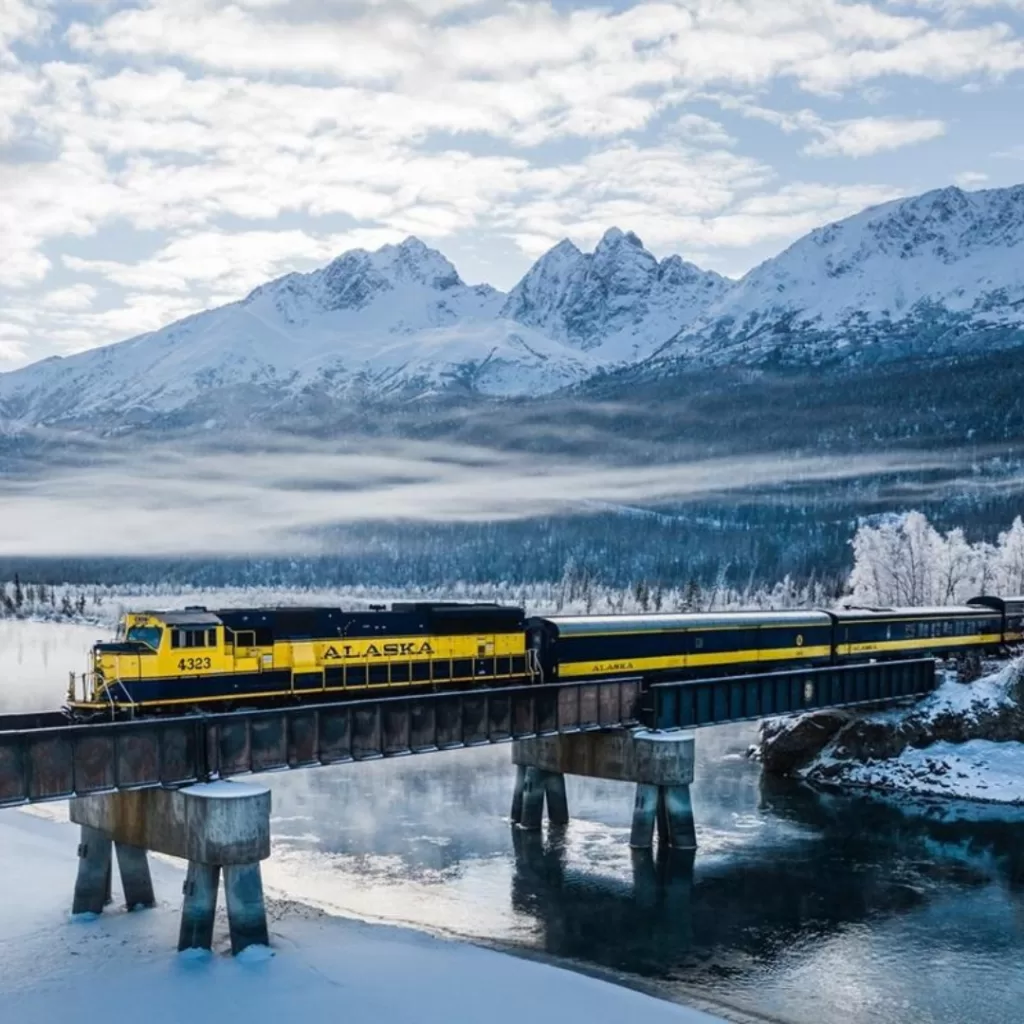
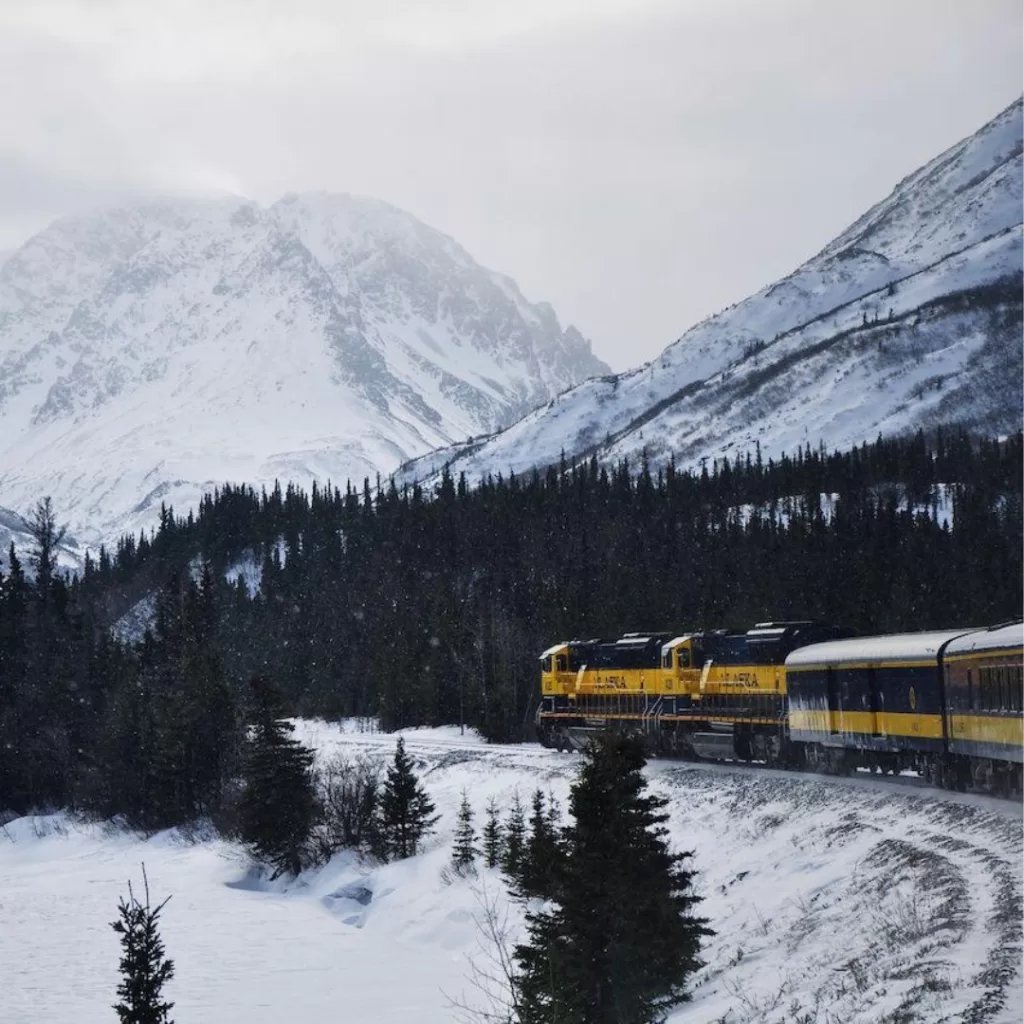
The Aurora Winter Train links Anchorage with Fairbanks and crosses snow-covered landscapes. This route is associated with the winter atmosphere of interior Alaska: frozen forests, icy rivers and mountains that appear on the horizon depending on the weather and the daylight.
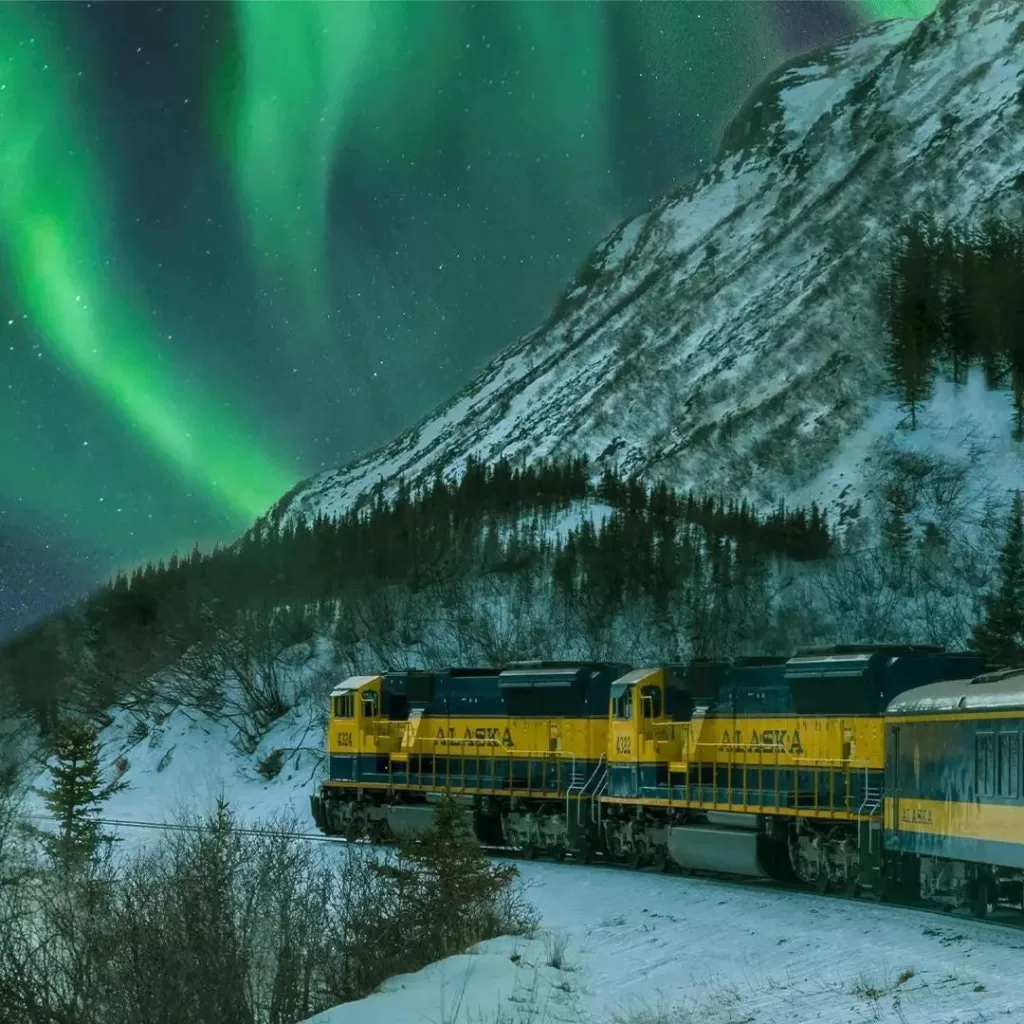
Northern Lights: A Possibility, Not a Guarantee
Fairbanks is known as a go-to spot for anyone dreaming of seeing the northern lights. Still, it’s important to be realistic: the aurora depends on natural conditions such as solar activity, sky darkness and cloud cover. It may or may not appear, and no one can promise it. The wisest approach is to treat it as a possible bonus of the trip rather than the only reason to take it.
Some practical tips:
- Spend several nights in the area to improve your chances of clear skies.
- Check the aurora activity and cloud cover forecasts published by specialized sources.
- Bring very warm clothing, because waiting outdoors can be long and cold.
- Have a plan B with other activities in case the sky doesn’t cooperate.
Beyond the Lights: Dog Sledding and Hot Springs
Winter in Fairbanks offers other memorable experiences. Dog sled excursions let you get close to a tradition deeply tied to life in the north. Meanwhile, the outdoor hot springs at Chena Hot Springs, surrounded by snow, are one of the most talked-about images of the trip. Before booking, check with operators about which activities are available, along with their schedules, conditions and requirements, as these can vary depending on the season and the weather.
Summer 2027: Scenic Routes to Book in Advance
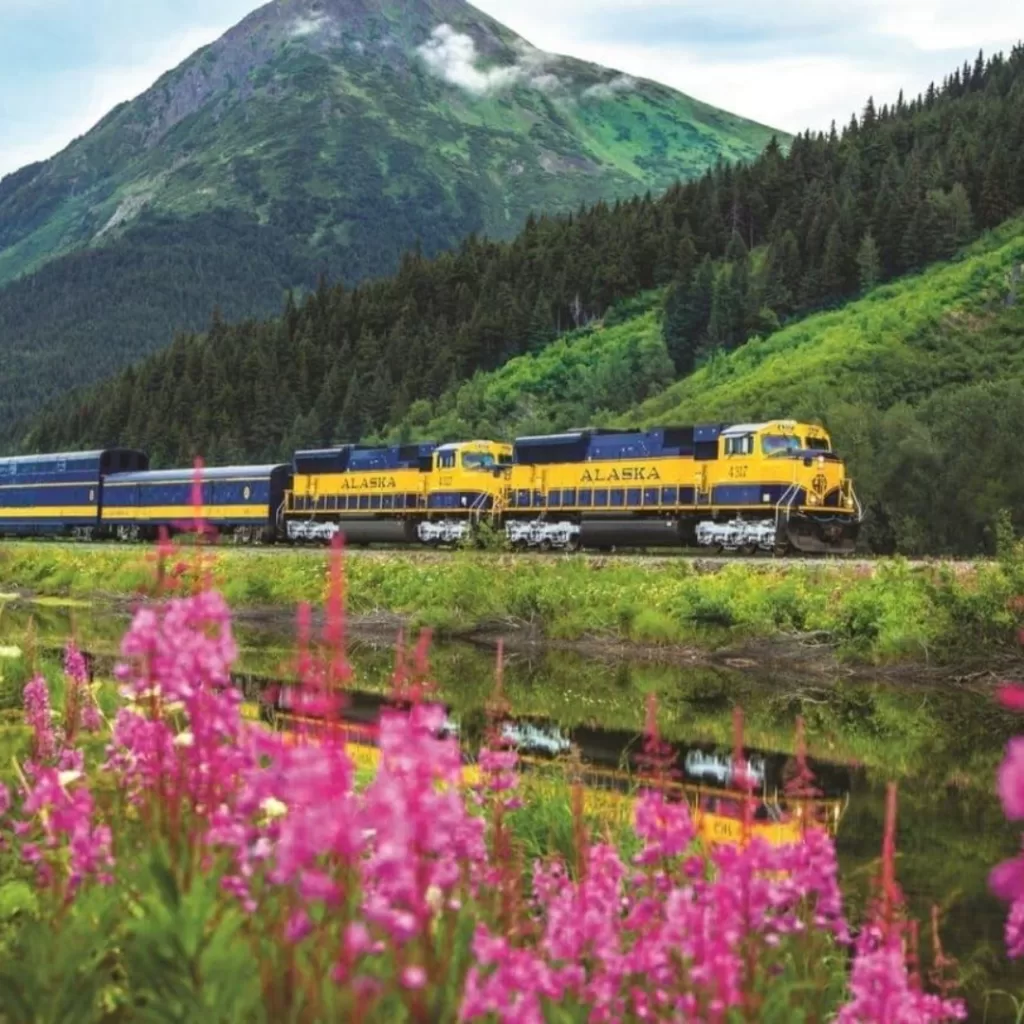
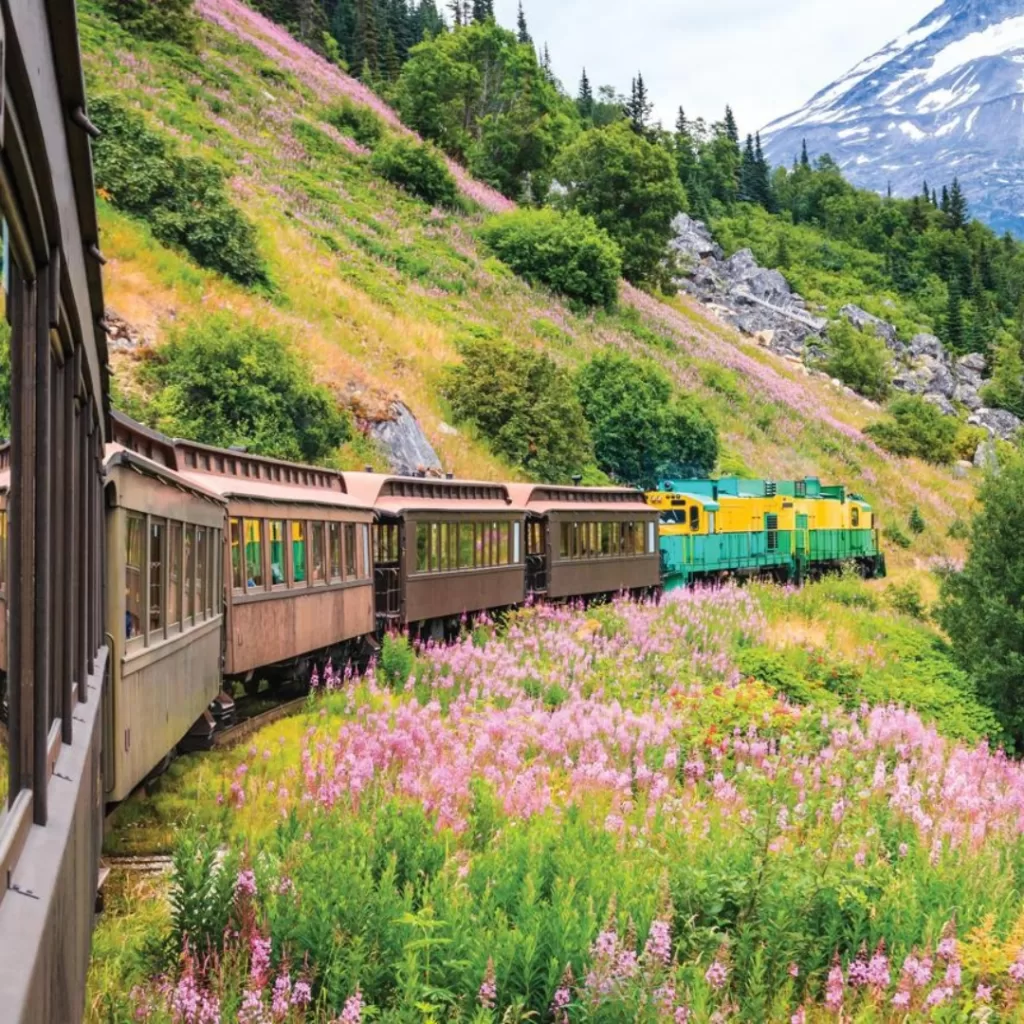
If winter invites stillness, summer reveals a lush Alaska. With very long days and mountains, forests and rivers in view, scenic routes become especially appealing. Two of the best known are the Denali Star and the Coastal Classic.
Denali Star: Heading Into the Heart of the State
This route connects Anchorage and Fairbanks and passes through the Denali region, famous for its imposing mountain scenery. It’s a popular option for those who want to combine the train ride with stops to explore towns and natural areas along the way. Visibility of the big mountains depends on the weather, so it’s best to keep your expectations flexible.
Coastal Classic: Mountains, Coastline and Forests
The Coastal Classic runs between Anchorage and Seward, with landscapes that combine mountains, forests and views close to the sea. It’s an interesting alternative for those who prefer a more coastal itinerary with access to outdoor activities in the southern part of the state.
Because summer trips tend to be in high demand, it’s best to check availability, fares and schedules well in advance through the official Alaska Railroad channels. Services, frequencies and prices can change from one season to the next, so any information should be confirmed before you buy.
What Travelers from Costa Rica Should Consider
For those departing from Costa Rica, Alaska is a trip that calls for careful planning. Here are some points to review:
- Travel documents: check the current entry requirements with official sources, such as the U.S. embassy or consulates and your airline.
- Flight connections: you will normally have layovers. Leave a buffer between flights and trains in case of delays.
- Weather: in winter, extreme cold calls for layered technical clothing; in summer, the weather can change quickly.
- Budget: factor in trains, lodging, activities, insurance and transfers. Always compare options and confirm up-to-date costs.
- Travel insurance: it’s advisable to get a policy that fits your itinerary and activities. If you have a health condition, consult a professional before traveling to extreme climates.
How to Choose Between Winter and Summer
There is no single right answer. Winter is for those looking for snowy atmospheres, cold-weather experiences and the chance to see the northern lights. Summer appeals to those who prefer green landscapes, long days and scenic rides with more hours of daylight. If you’re flexible, you could even consider visiting Alaska in both seasons to discover two very different versions of the same place.
An Invitation to Travel Slowly
Alaska by train is a way of traveling that invites you to look slowly. Whether among snow and night skies where the aurora might appear, or among mountains and forests in the height of summer, the journey is part of the destination. If you’re thinking about a vacation in 2027, starting your research early, verifying official information and keeping realistic expectations will help you enjoy a calmer, more satisfying experience.