Whether you farm a coffee plot or keep a few pots on a terrace, healthy growing starts with the same things: living soil, less waste and plants that earn their place. The three articles in this guide cover very different scales, but they follow one logic. Use what you have, feed the soil, and let plants do part of the work.
This guide connects them so you can decide where to start. You will see how compost and bokashi turn scraps into fertilizer, how a cover legume called canavalia supports coffee farms, and how a small herb garden can bring flavor and wellness routines close to your kitchen. Each section points to the full article for the details.
Start with the soil: the idea that links all three guides
Each article tackles the same question from a different angle: how do you grow well while spending less and wasting less? Compost and bokashi answer it with kitchen scraps and prunings. Canavalia answers it with a legume planted for the benefit of the soil and the crop that follows. The herb garden answers it with a living pantry that cuts packaging and only gives you what you cut.
Seen together, these are not three separate projects but three entry points into the same approach. If you are new to growing, the home-scale practices are the easiest way in. If you already manage a farm, they show how small habits and long-term soil care can reinforce each other.
Compost and bokashi: two ways to turn waste into fertilizer
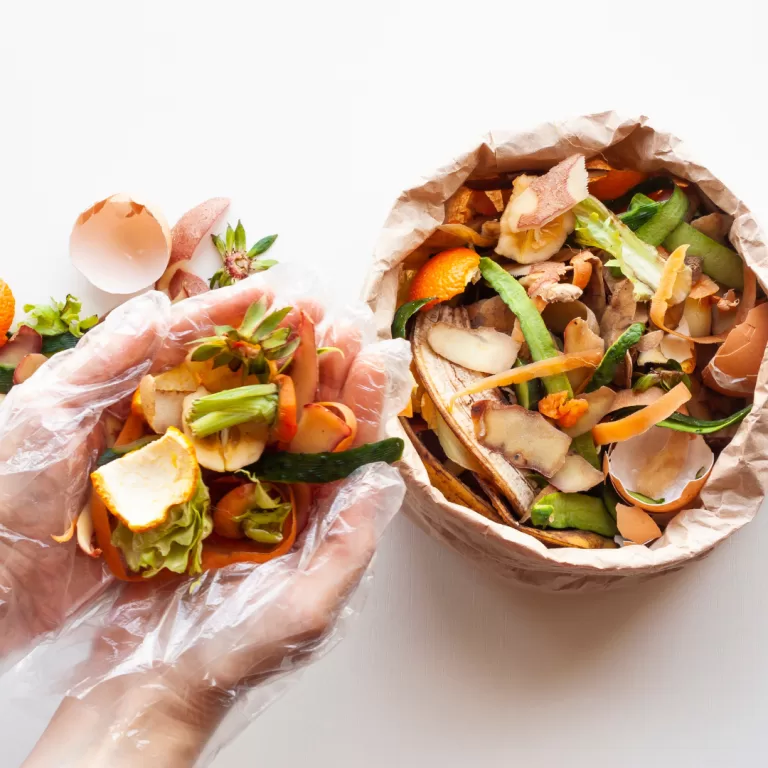
According to the guide to homemade compost and bokashi, turning kitchen scraps and prunings into fertilizer reduces waste, saves on fertilizer purchases and improves soil structure. The article stresses that the two methods are different processes, and that they work well together.
Compost is aerobic decomposition, meaning it needs oxygen. It is made in a pile, bin or composter, and the result is a dark humus with a forest-like smell. Bokashi is anaerobic fermentation: it happens in an airtight bucket, with the help of effective microorganisms. Knowing which one you are doing explains why their set-ups look so different, one open to air and the other sealed.
The full article goes into recipes, ratios, timing and common mistakes. Read it before you start, especially if you have tried composting before without good results.
- Compost: with oxygen, in a pile, bin or composter, producing dark humus.
- Bokashi: without oxygen, in an airtight bucket, using effective microorganisms.
- Both: less waste, lower fertilizer costs, better soil structure.
Canavalia in coffee: a cover legume with a Costa Rican track record
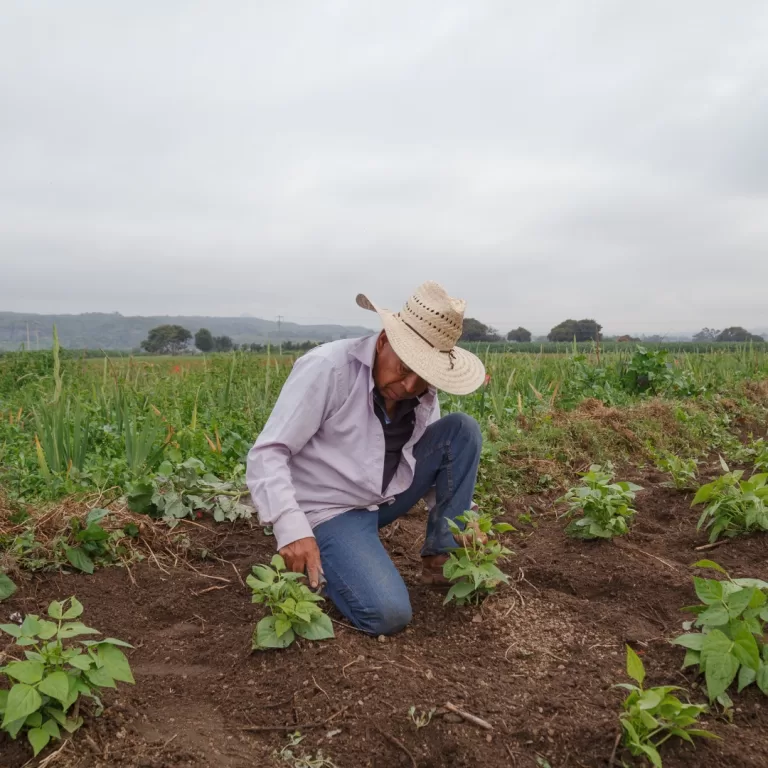
Costa Rican coffee growers have to balance quality, soil care and production costs at once. The article on Canavalia ensiformis presents this cover legume as one tool for sustainable management. It is also known as canavalia, "frijol de puerco" or "haba de burro", and the piece draws on agronomic experience and research developed in Costa Rica.
Canavalia is a vigorous herbaceous legume native to tropical America. It adapts to a wide range of soils and to warm, humid climates, and it tolerates dry spells better than many other cover crops. As a legume, it forms a relationship with bacteria in the soil. The article covers its uses, benefits and application methods in coffee.
The benefits it highlights are improved soil, support for nematode management and the potential to help reduce costs. Treat these as management support rather than a guaranteed result. Conditions vary from farm to farm, so consult an agronomist or technical advisor before changing your plan.
A medicinal and aromatic herb garden at home
You do not need a large plot. The guide to growing wellness at home shows that a sunny balcony, a few planters or some pots on the terrace are enough. It suggests basil, rosemary, mint, calendula and turmeric, with uses in teas, cooking and natural care.
The practical advantages are clear. Freshly cut herbs have more aroma and flavor than dried supermarket ones. You cut only what you need, so there is no packaging and less waste. Flowers and aromatic plants also attract pollinators and help maintain biodiversity, even in a small space.
If you plan to use herbs for wellness, keep expectations realistic and cautious. They can be part of a routine, but they do not replace medical care. Check with a health professional first if you are pregnant, take medication or have a health condition.
Putting it together: where to begin
A sensible order is to start small and build outward. If you live in an apartment, begin with a few pots from the herb garden guide. If you already have a garden, add compost or bokashi so the scraps from your kitchen and pruning feed your plants. Compost can later feed the herb pots too.
If you work in coffee, the same soil-first mindset applies at farm scale. Canavalia is one option to discuss with technical advisors. The common lesson is to observe your conditions, start with one practice, and adjust as you learn.
Frequently asked questions
What is the difference between compost and bokashi?
Compost is aerobic decomposition, which needs oxygen, and is made in a pile, bin or composter. Bokashi is anaerobic fermentation in an airtight bucket using effective microorganisms. They are different processes that complement each other.
What is Canavalia ensiformis used for in coffee farms?
It is a cover legume. According to the article, it improves soil, supports nematode management and can help reduce costs. It adapts to many soils and to warm, humid climates, and tolerates dry spells better than many other cover crops.
Can I grow medicinal herbs on a balcony?
Yes. A sunny balcony, a few planters or some terrace pots are enough. The guide mentions basil, rosemary, mint, calendula and turmeric.
Are medicinal herbs safe to use for wellness?
Herbs can be part of teas, cooking and natural care, but this guide offers general information only. Consult a health professional before using them for wellness, especially if you are pregnant, take medication or have a medical condition.
Where can I find compost ratios and timing?
The full article on homemade compost and bokashi covers recipes, ratios, timing and common mistakes. This guide only summarizes the basics.
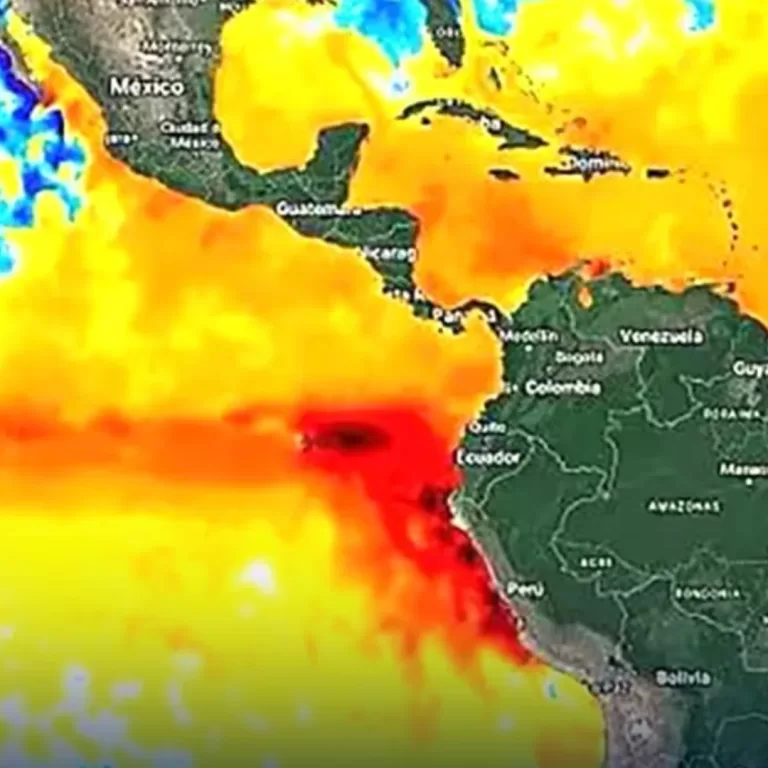
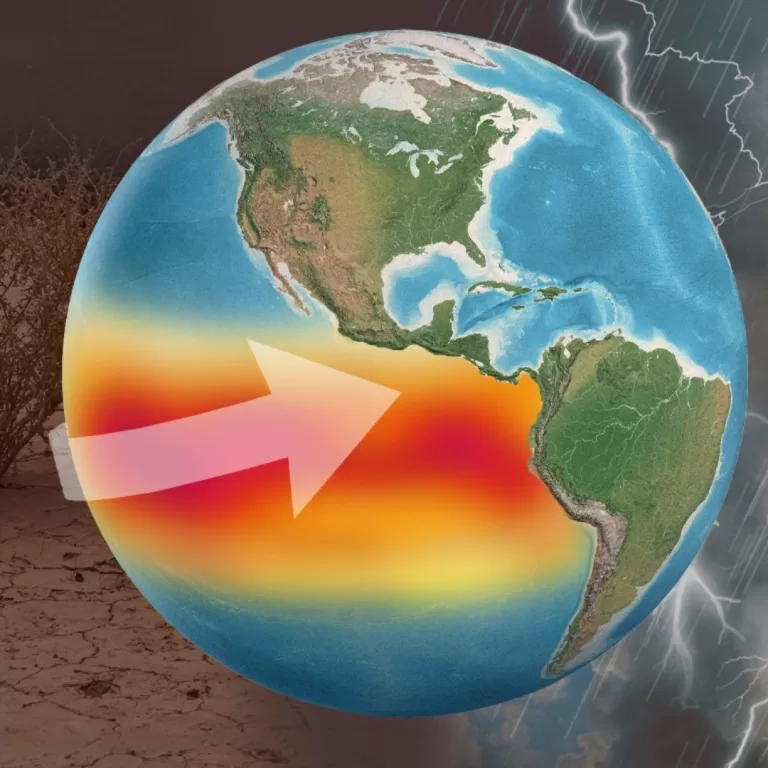
El Niño Is Intensifying: What to Expect Through 2027 and Why It Matters for Central America
El Niño ha alcanzado su nivel de intensidad más alto según la NOAA. Qué significa, cuánto podría durar y qué efectos esperar en la…