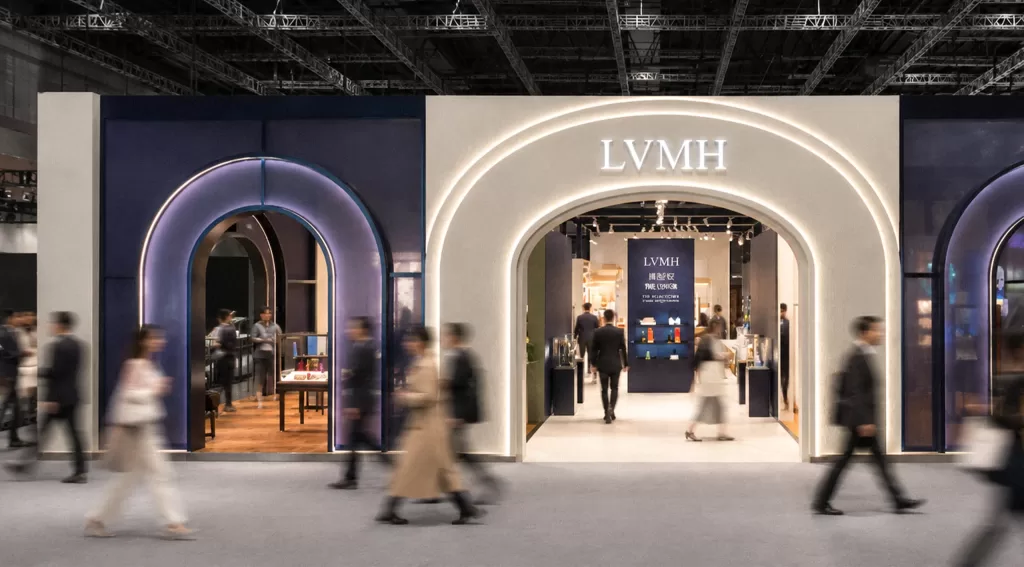
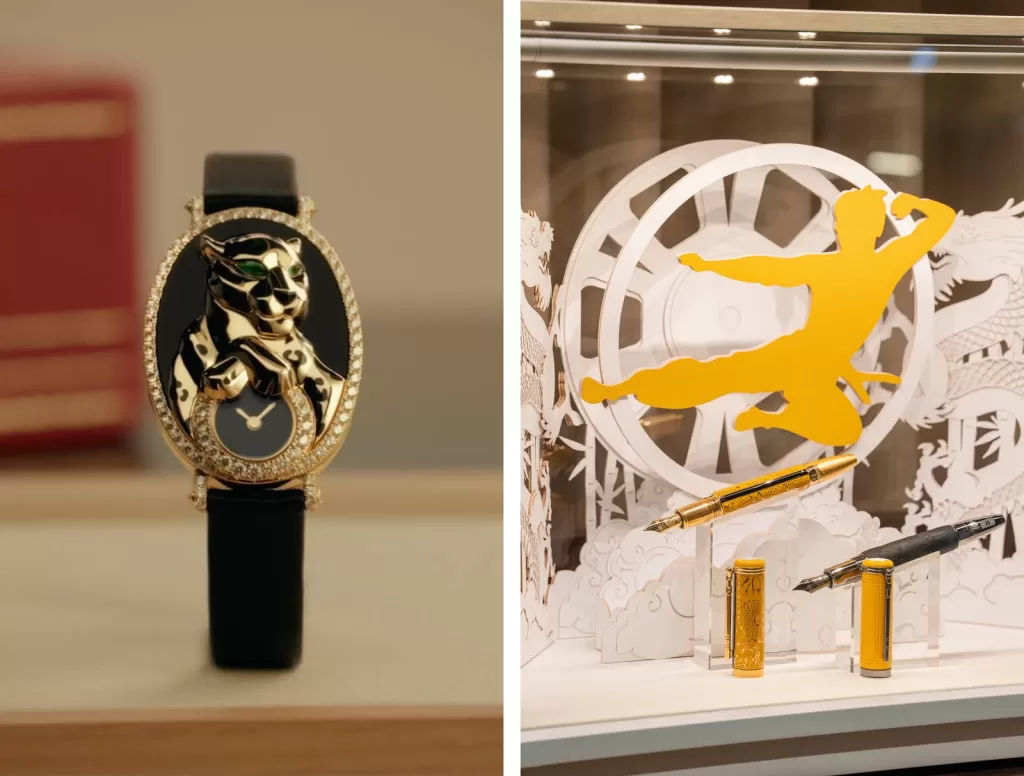
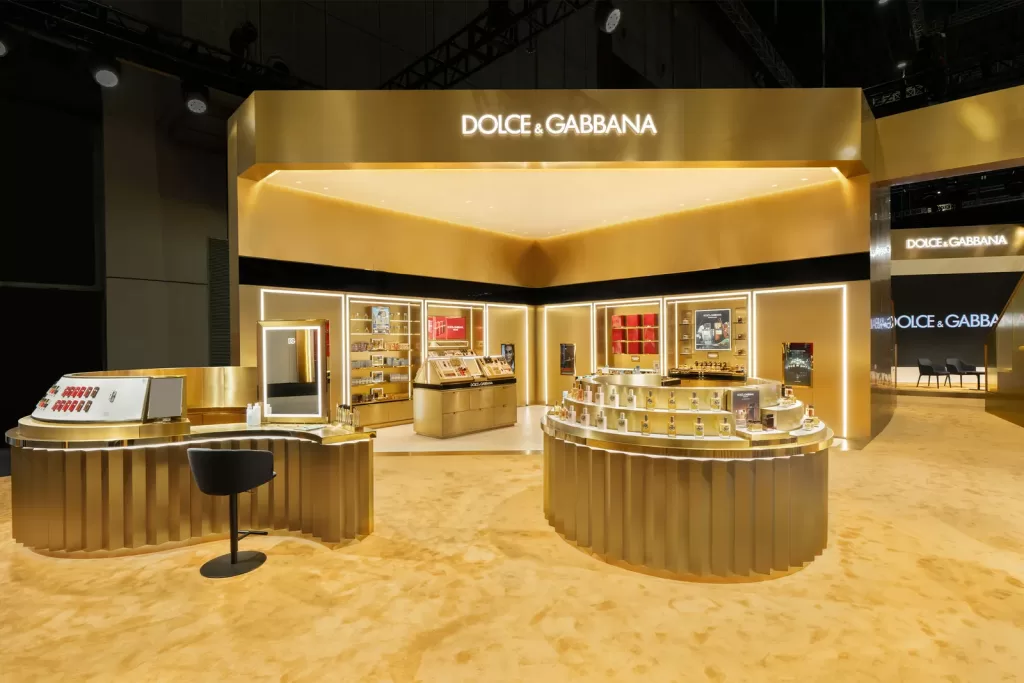
For years, the formula was simple: open stores, expand the catalog and win over millions of new consumers. Today that logic falls short. The ninth edition of the China International Import Expo (CIIE), held in Shanghai, has shown that the relationship between major international brands and luxury in China is changing at its core: the country is no longer just a place to sell, but also a place to learn, create and collaborate.
In this article we look at what lies behind that shift, which examples illustrate it and what small brands can learn from it, as well as anyone who simply enjoys fashion and beauty.
A Market That Is Cooling, but Not Losing Relevance
The context is not easy. According to figures from Bain & Company cited in the source material, the luxury market in mainland China contracted in 2024 and 2025. These figures should be treated with caution and checked against the original source before being cited as definitive, but the overall trend explains why brands are rethinking their strategy.
When sales no longer grow as easily as before, simply increasing presence is not enough. Brands need to generate value and relevance for consumers who are more demanding, better informed and less willing to buy just for a label. That demand is precisely what turns China into a laboratory of ideas for the rest of the world.
Big Names, One Message
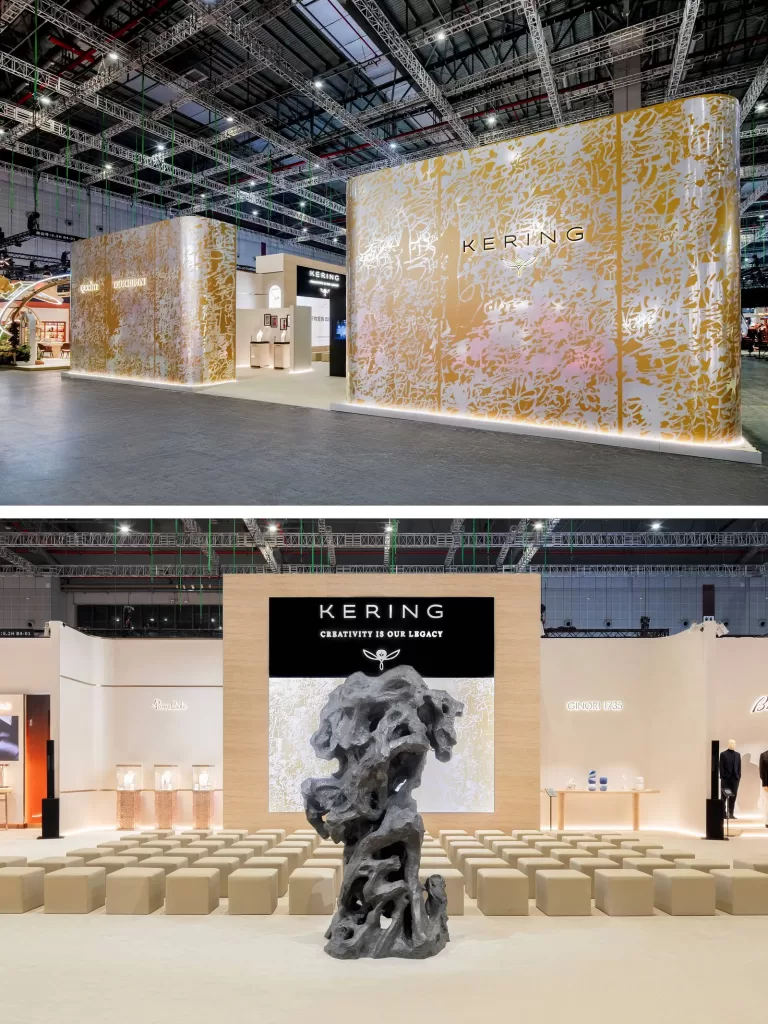
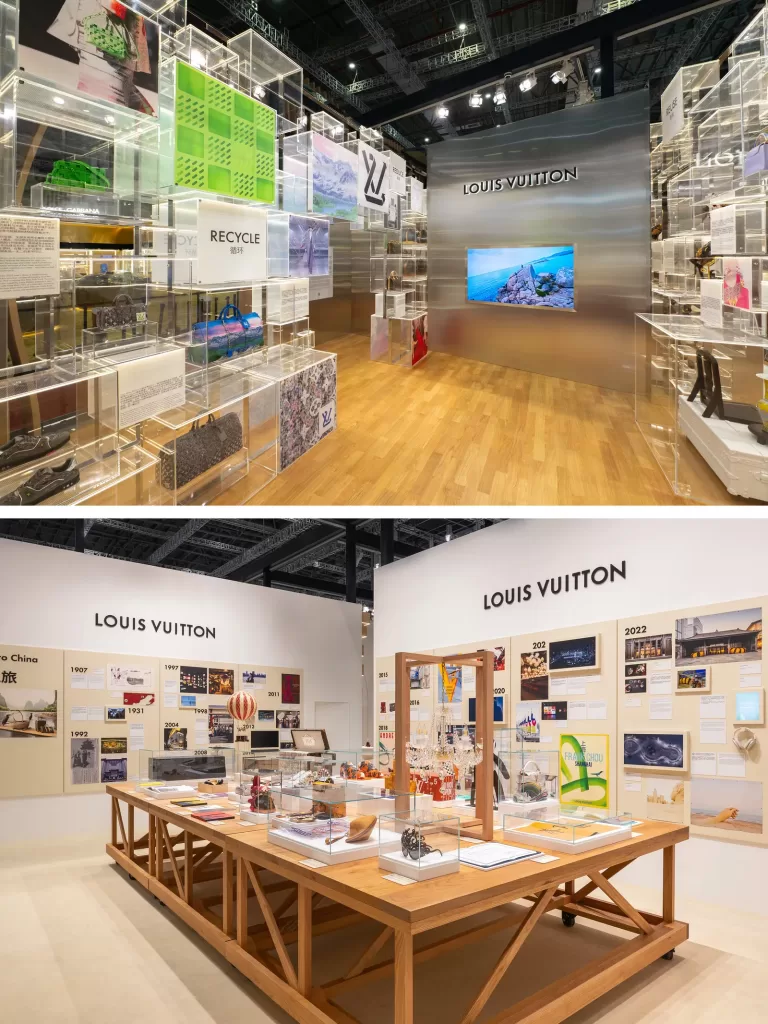
Groups such as LVMH, Kering and Richemont have taken part in the CIIE, alongside companies like Nike and L’Oréal. According to the analysis behind this piece, their interest goes beyond the cash register: they are looking for creative inspiration, consumer insight, technological innovation and strategic partnerships.
In other words, they no longer travel to China solely to find buyers. They are also looking for ideas, talent and experiences that could define their next chapter of growth.
Five Transformations Worth Following
1. Local Culture as a Source of Innovation
The case of Kering and Qeelin illustrates how Chinese cultural references can give rise to distinct commercial offerings, beyond special collections designed for holidays. Culture stops being a seasonal accessory and becomes the starting point of design.
2. Local Designs with Global Reach
Adidas shows how design teams based in China can develop products that also find demand in other markets. The idea that creativity flows only from Europe or the United States to the rest of the world is losing strength.
3. Technology Is Transforming the Beauty Experience
L’Oréal and other companies are incorporating digital tools and artificial intelligence to explore new forms of personalization and interaction with consumers. In beauty, this points to recommendations better suited to each skin type, each hair type and each need, an opportunity that is especially valuable if designed with the real diversity of people in mind.
4. Brands Sell Universes, Not Just Products
Ralph Lauren represents a strategy that connects fashion, home decor, hospitality and experiences around a recognizable identity. Customers don’t just buy a garment: they buy a way of living and of feeling part of something.
5. Sustainability Enters Product Design
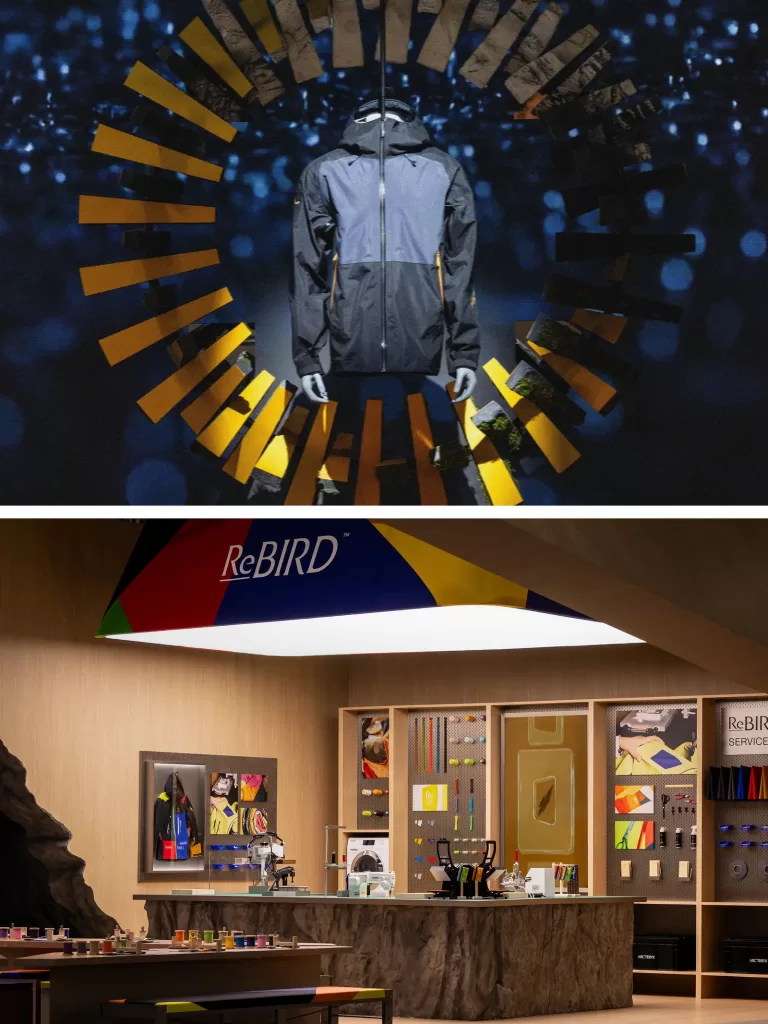
Arc’teryx puts forward a vision in which repair, maintenance and traceability are part of the user experience. It is a shift in mindset: the product doesn’t end at the point of purchase, but stays with the person for years.
What Can a Small or Mid-Sized Brand Learn?
Nobody expects a small business to match the investments of a large conglomerate. The lesson lies in the principles, which can be applied at any scale:
- Truly listen to the customer: short surveys, conversations on social media or test groups can reveal needs that no report anticipates.
- Bring in local talent: collaborating with artists, artisans and professionals in your area adds authenticity and strengthens the community.
- Build a genuine cultural identity: telling people where the brand comes from and what values it stands for is more convincing than copying trends.
- Design meaningful experiences: a fragrance, a texture, a workshop or a care ritual can offer more value than a discount.
- Improve based on real needs: small adjustments to sizing, formulas, packaging or after-sales service can make a difference.
What This Means for Anyone Who Dresses and Takes Care of Themselves Every Day
If you are a consumer, these trends also leave you with practical ideas, regardless of your age, your body or your budget:
- Look for pieces with cultural history, not just a logo. Independent designers and workshops in your region often offer original designs at very varied prices.
- Prioritize comfort and fit. A garment that makes you feel good is a better investment than one that follows a size or age norm. Fashion works for every body, and brands that understand this earn trust.
- Extend the life of your wardrobe. Repairing, altering or adapting a garment with a tailor or seamstress, or turning to secondhand and swaps among friends, is an affordable and sustainable way to refresh your style.
- Apply the logic of mindful shopping to beauty. Before trying a new product, check whether it truly meets a need of your skin or hair. Personalization tools can help, but they don’t replace your own judgment or, if you need it, that of a professional.
- Combine the classic with the new. A durable wardrobe staple, mixed with accessories from local artisans, creates a personal style without big spending.
What Remains to Be Verified
As with any business analysis, it’s worth separating the trend from the specific data. Before considering the story closed, it is advisable to check the Bain & Company figures, the companies’ quarterly results, the statements attributed to their executives and the details of the products presented at the CIIE. The source material is a good basis for understanding the direction, but it is no substitute for independent verification.
A Conclusion for Luxury’s Next Chapter
The luxury of the coming years seems less obsessed with expansion and more interested in connection: with culture, with talent, with technology and with the people who use the products. China, with its scale, its pace of innovation and a demanding consumer, is at the center of that conversation.
For brands, the challenge is to listen better. For those of us who buy, the opportunity is to choose with more discernment and less pressure. And for the rest of the industry, the signal is clear: the future of fashion and beauty is not written from just one place, but from many.