
Turning kitchen scraps and prunings into quality fertilizer is one of the smartest decisions you can make in a vegetable garden, a farm or a self-sufficiency project. You cut down on waste, save on fertilizers and improve your soil structure. In this guide we explain, in simple terms, how to make homemade compost and bokashi, with ratios, timing and the most common mistakes.
Compost and bokashi: what’s the difference?
Although they are often mentioned together, they are different processes and complement each other very well.
- Compost: aerobic decomposition (with oxygen) of organic matter. It is made in a pile, bin or composter, and the result is a dark humus with a forest-like smell.
- Bokashi: anaerobic fermentation (without oxygen) in an airtight bucket, with the help of effective microorganisms. It is not compost yet: it is a fermented, acidic pre-compost that is then buried or added to the pile.
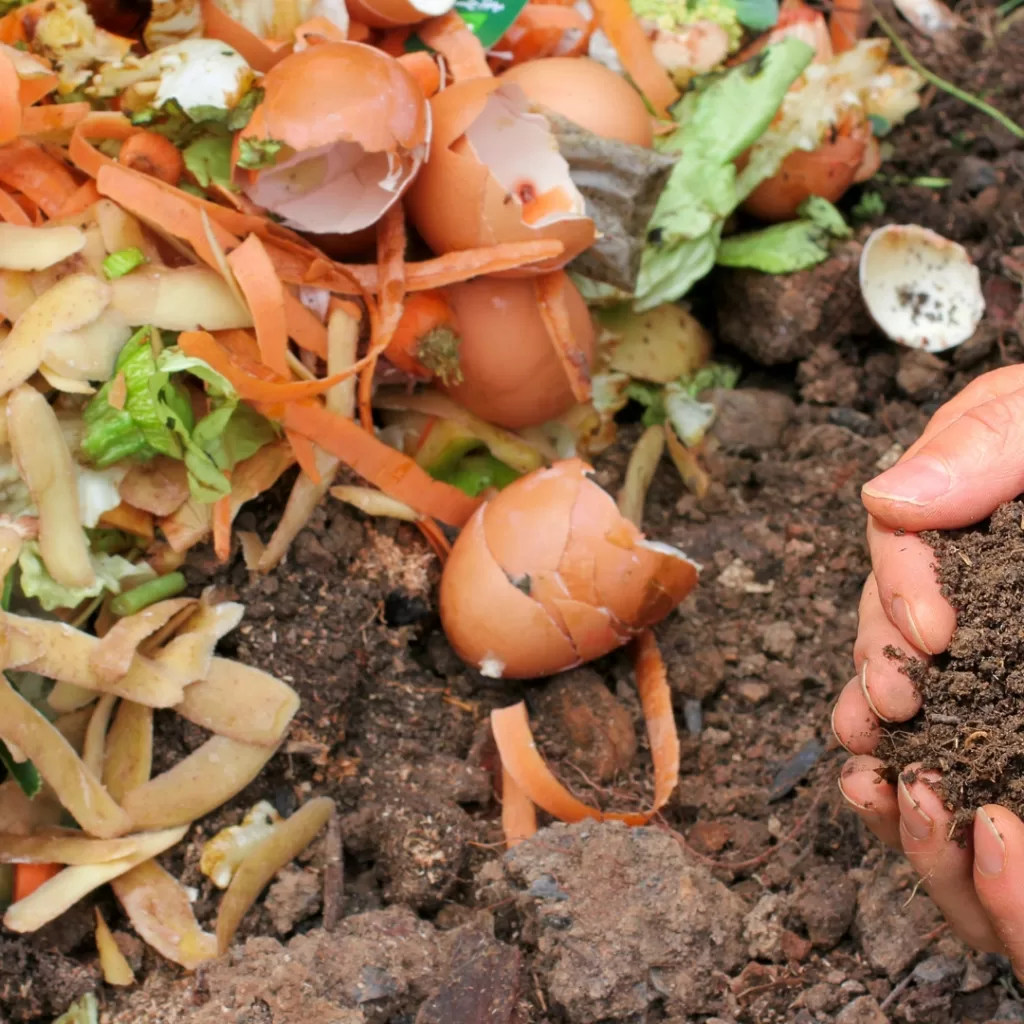
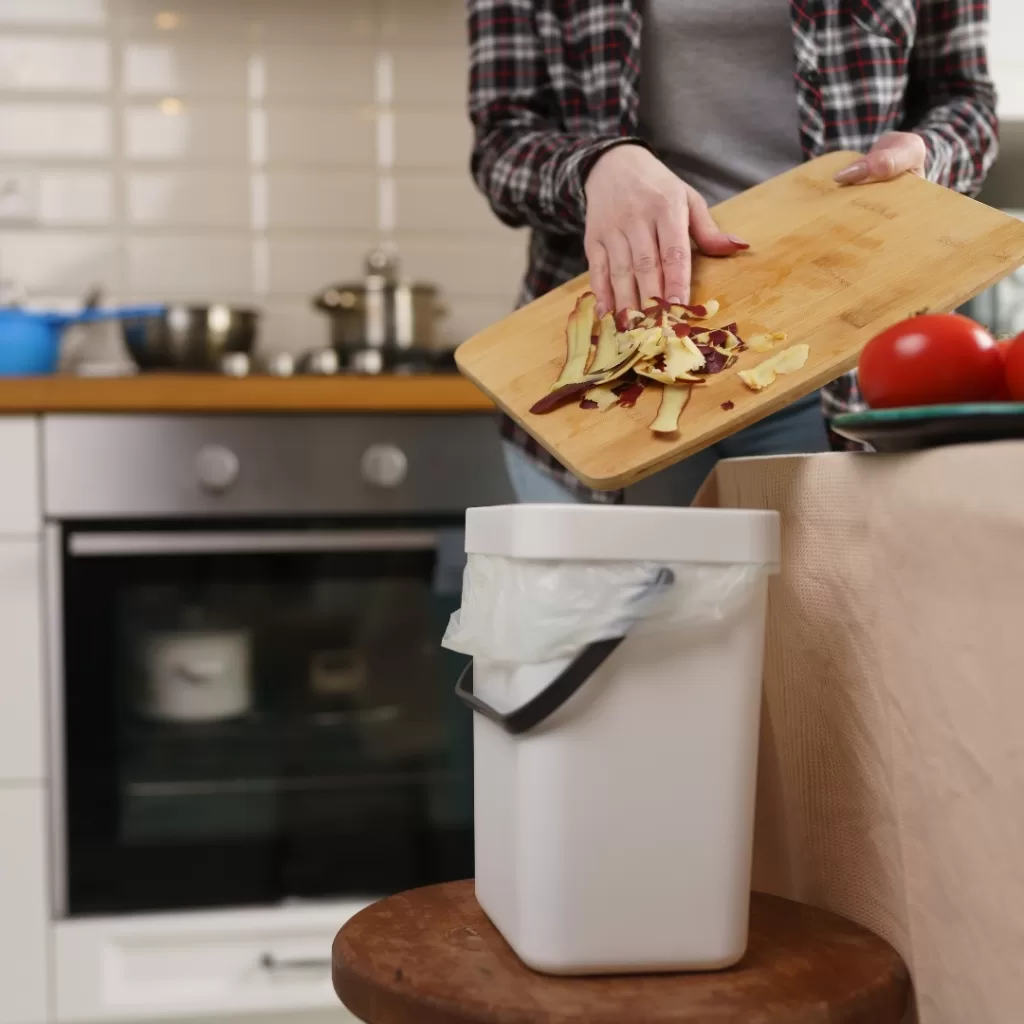
Homemade compost step by step
Materials: greens and browns
The key is to balance two types of materials:
- Greens (rich in nitrogen): vegetable and fruit scraps, coffee grounds, fresh grass clippings, weeds without seeds, herbivore manure.
- Browns (rich in carbon): dry leaves, straw, ink-free cardboard, untreated wood sawdust, shredded branches.
Recommended ratios
An easy rule of thumb is to mix 2 parts browns to 1 part greens by volume. In technical terms, the aim is a carbon-to-nitrogen ratio of between 25:1 and 30:1, but in practice you can simply observe: if it smells of ammonia, it needs more carbon; if it is dry and doesn’t heat up, it needs more nitrogen.
Building the pile
- Choose a spot with partial shade and good drainage, in contact with the soil.
- Lay down a first layer of thick branches to aerate the base.
- Alternate layers of browns and greens, 10 to 15 cm each.
- Moisten until it has the texture of a wrung-out sponge: when you squeeze a handful, it should release only one or two drops.
- For an effective pile, aim for a minimum of 1 cubic meter, since that size retains heat.
Timing and maintenance
- Weeks 1-2: the pile heats up (50-65 °C) if the size and the mix are right.
- Turning: every 2-3 weeks during the first two months, to re-oxygenate.
- Maturation: between 3 and 6 months in temperate climates. In summer and with frequent turning, it can be ready in 2-3 months.
- Final stage: dark color, loose texture and a damp-earth smell, with no recognizable scraps.
Homemade bokashi step by step
Bokashi is ideal if you have little space or want to make use of scraps that don’t work well in the pile, such as small amounts of cooked food, dairy or fish scraps.
What you need
- An airtight bucket with a lid and, preferably, a bottom tap to drain the liquid.
- Wheat bran fermented with effective microorganisms (you can buy it ready-made or make it with EM, molasses and water).
- Chopped organic kitchen scraps.
Method
- Put down a 3-4 cm layer of scraps and sprinkle one or two tablespoons of bran over it.
- Press down firmly to push out the air and close the lid immediately.
- Repeat until the bucket is full.
- Drain the liquid (leachate) every 2-3 days.
- Once full, leave it closed for about 2 weeks to finish fermenting.
And then what?
The fermented material is buried in the garden at a depth of 15-20 cm, away from roots, and left for about 2-4 weeks before planting on top of it. You can also add it to the compost pile as an activator. The leachate is diluted at a 1:100 ratio with water for watering or cleaning drains; it is never applied undiluted.
Common mistakes (and how to avoid them)
- Too many greens: creates sludge and bad smells. Add dry leaves, straw or cardboard.
- Pile too dry: activity stops. Water lightly when turning.
- Waterlogged pile: lack of oxygen. Mix in bulking material and cover it from the rain.
- Pieces that are too large: they take a long time to break down. Shred or cut up branches and bulky scraps.
- Adding diseased plants or weeds with seeds: they can survive if the pile doesn’t reach a high enough temperature.
- Poorly sealed bokashi: if green or black mold and a rotten smell appear, air got in. White mold, on the other hand, is a good sign.
- Using bokashi as direct fertilizer: its acidity can damage young roots. Respect the waiting time after burying it.
- Including unsuitable scraps: avoid dog and cat waste, plastics, coal ash and treated wood.
How to use the result in your garden or farm
Mature compost is spread in a 2-5 cm layer as mulch or mixed into the soil before planting. For seedling trays, sift it and combine it with coconut fiber or sand at an approximate ratio of 1 part compost to 3 parts substrate. On farms with animals, composted manure reduces pathogens and odors, and lets you close the nutrient cycle without depending on external inputs.
Start small and observe
You don’t need a perfect setup. A bin made from pallets and a bokashi bucket in the kitchen are enough to get started. Write down dates, ingredients and results: after two or three cycles you will have your own recipe, adjusted to your climate and the waste you generate. The soil will thank you harvest after harvest.