If there’s one shoe that seems to be asking for a second chance, it’s the wedge. Wedge booties are showing up again among the footwear proposals for fall-winter 2026/2027, and the reason is easy to understand: they add height, look elegant, and don’t force you to walk “on tiptoe” on a thin heel. In this guide we tell you how to bring them into your closet in a realistic way, without following rigid rules.
What wedge booties are and why they’re back
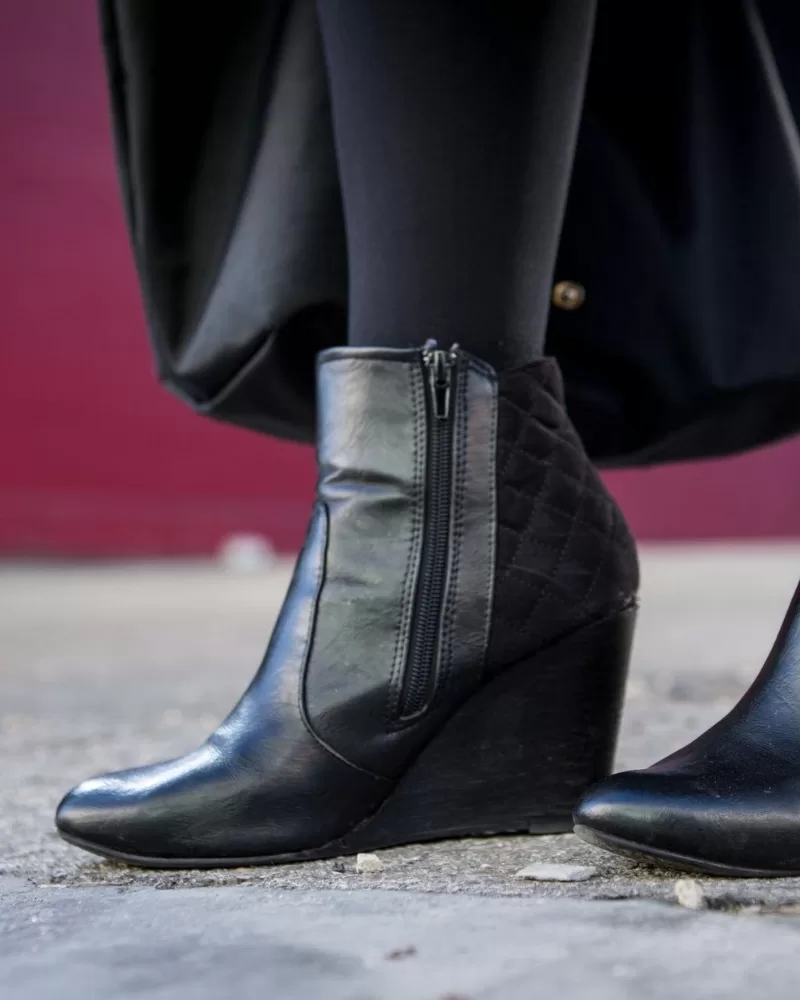
The defining feature of a wedge bootie is the built-in wedge: the sole and the heel form a single piece, with no gap under the arch of the foot. The result is more height and a wider support surface than many conventional heels offer.
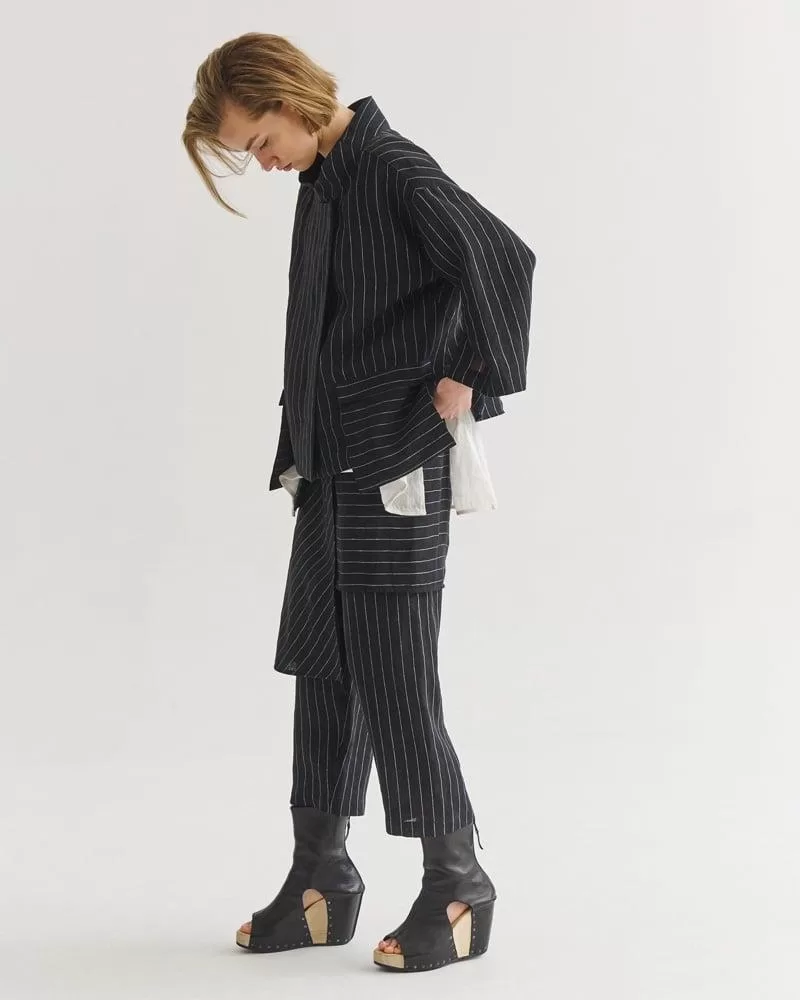
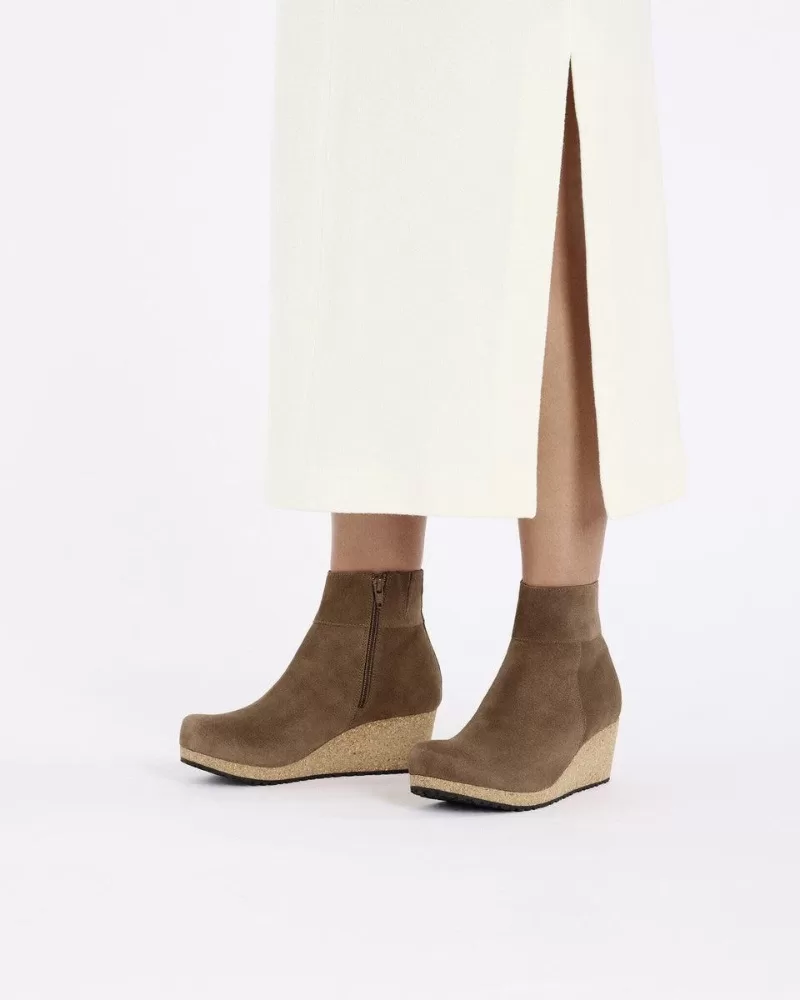
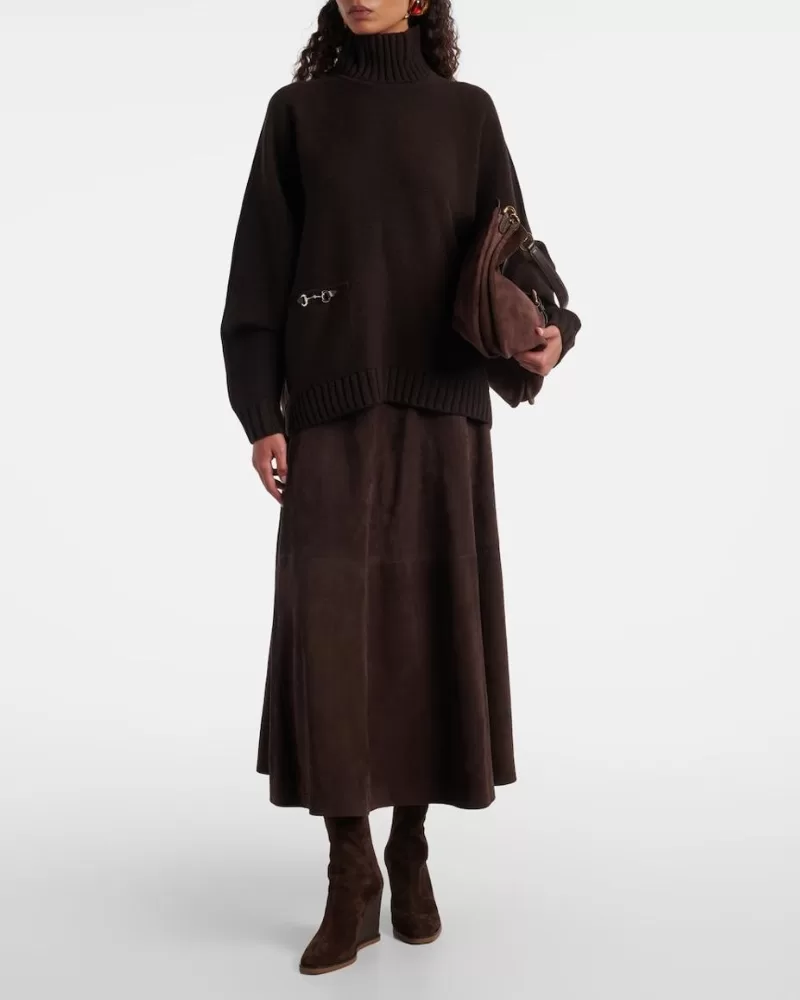
According to Vogue España, their appeal lies in combining an elegant look with the versatility needed to go with different outfits, from dress pants to midi skirts. Among the models the publication has highlighted are brown suede booties from Sézane and black leather ones from ARKET. Rather than chasing one specific pair, the interesting thing is to understand the trend: familiar silhouettes, reinterpreted with minimalist designs, classic materials and contemporary shapes.
Three combinations that work
1. With dress pants
This is the safest formula for a modern office. Try straight-leg pants, a structured blazer and a wedge bootie in a sober tone. The line of the pants falls cleanly over the shoe and the outfit looks put together without effort.
- If you prefer a different silhouette, wide-leg pants also work, as long as the hem skims the top of your foot and doesn’t drag on the floor.
- A blazer you already own can give the same effect as a new one. Check your closet before buying.
2. With midi skirts
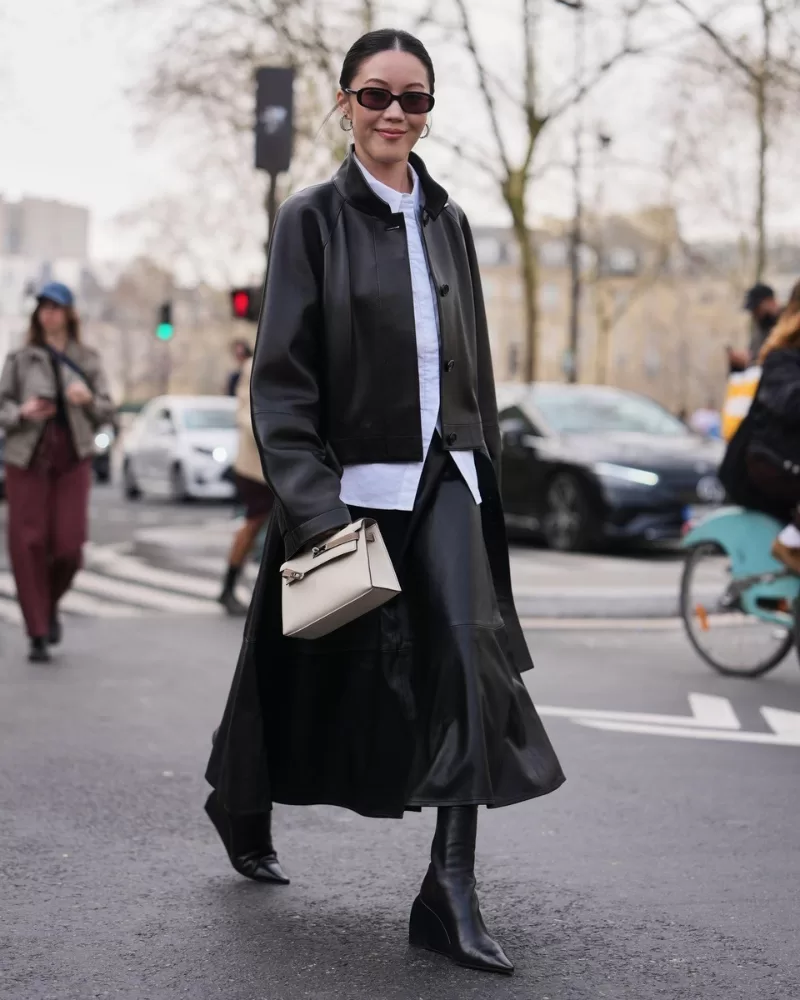
A midi skirt usually has volume or movement, and a wedge bootie provides a more defined base that balances the proportions. It works with pleated, A-line or flowy-fabric skirts.
- If the skirt ends mid-calf, choose a bootie that doesn’t cut the leg off abruptly. One with a low shaft or in the same tone as your tights usually creates continuity.
- Opaque tights and knitwear help the outfit feel suited to cold weather.
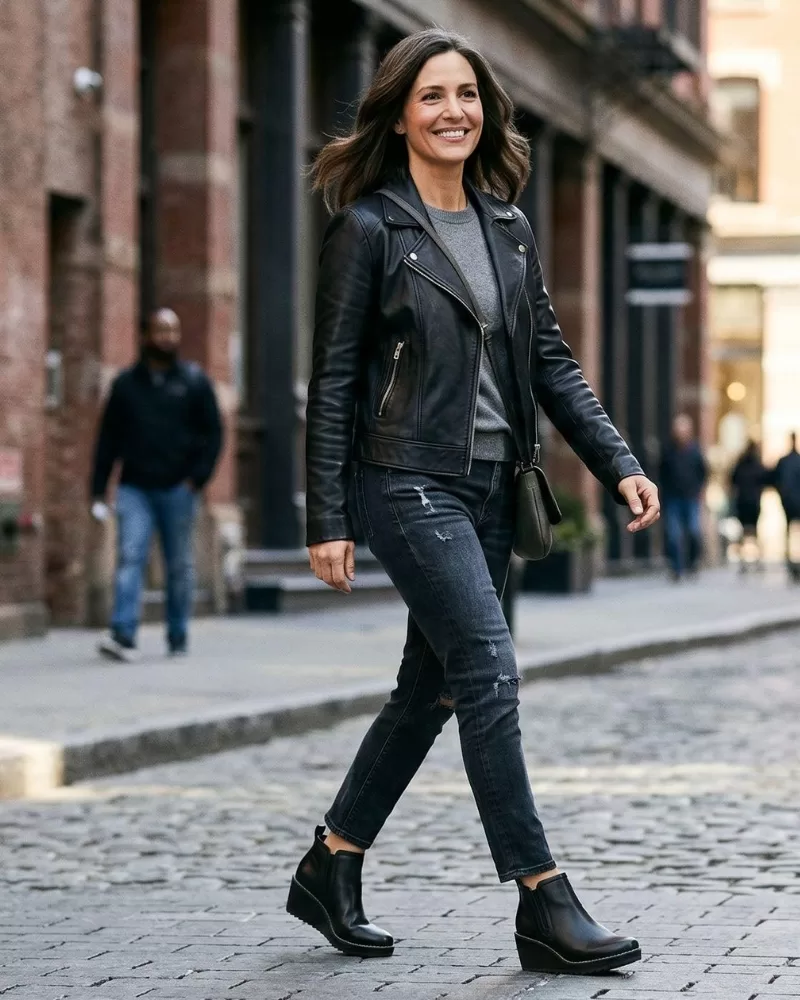
3. With straight-leg jeans
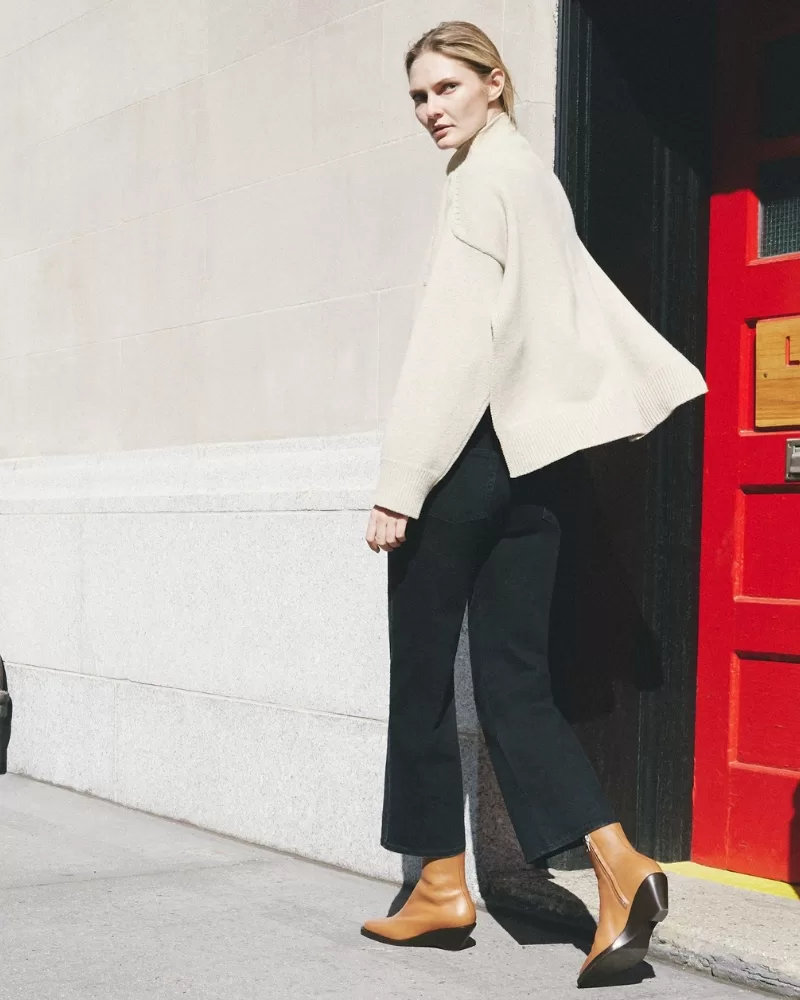
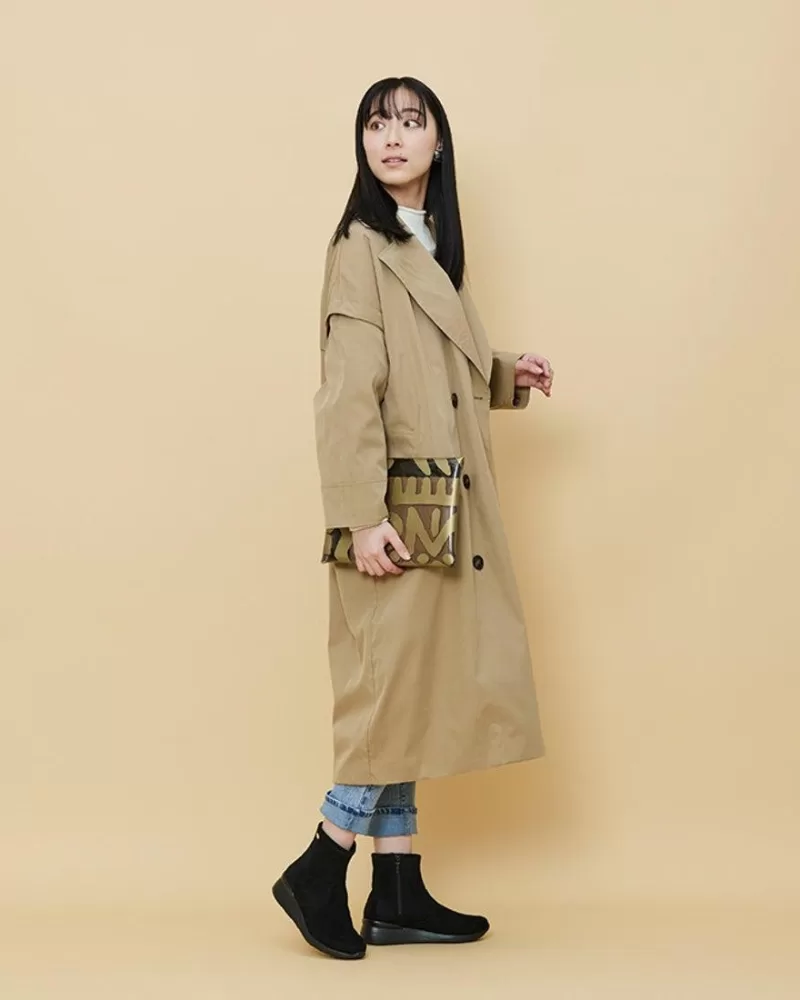
For everyday wear, straight-leg jeans, a basic knit top, a long coat and discreet accessories are enough. The wedge bootie lifts the look without making it overly formal. If the jean hem is long, a small cuff lets you see the shape of the shoe.
How to choose a pair you’ll actually wear
The fact that a wedge offers more stability doesn’t mean every pair is comfortable. Comfort depends on the height, the fit, the construction of the shoe and each person’s characteristics. These points can help you decide:
- Height: the wedge can be low, medium or high. Choose the one you can wear for hours, not the one that looks best in a photo.
- Fit on the foot and calf: bodies and legs come in all shapes. Look for shafts with elastic, side zippers or laces that let you adjust the fit.
- Sole flexibility: walk around the store and check that your foot bends naturally.
- Insole and instep: if you use orthopedic insoles or have a high instep, try the booties on with them in.
- Material: suede looks soft and elegant, but needs more care in the rain. Leather is more resistant and ages well. If you prefer alternatives without animal leather, compare build quality and breathability.
Always try on booties at the end of the day, when your feet are a bit more swollen. It’s the most honest moment to find out whether they’ll treat you well.
Colors and style: beyond black
Black and brown are the easiest tones to match, and suede or leather in those shades gives a classic feel. But the trend doesn’t demand anything: if your personal palette is lighter, a sand tone or a soft coffee can fit in just as well. Think about how many pieces in your closet go with that color before deciding.
Wedges for warm climates: the Costa Rica version
Talking about fall-winter from a warm country calls for some adaptation. In Costa Rica, where heat and rain are part of the routine, a closed bootie isn’t always the best idea all year round. Some options:
- Low or ankle-height booties in lightweight, breathable materials, for cooler afternoons or high-altitude areas.
- Models with openings or cutouts that let air circulate.
- A sole with good grip, useful on wet floors during the rainy season.
- Strategic use: save them for cooler evenings, trips or indoor events with air conditioning.
If the heat is intense, the same wedge idea can live on in sandals or open shoes, which keep the height and stability without enclosing the foot.
Budget and sustainability: options for everyone
You don’t need to spend a lot to join the trend. Before buying, consider these routes:
- Secondhand and consignment stores: you can often find well-made booties at a lower cost.
- Check what you already have: you may own wedge boots or shoes that only need cleaning or a fresh look.
- Repair: a good cobbler can replace heel tips, fix stitching or renew the sole, extending the life of your footwear.
- Mindful buying: prioritize one neutral pair you’ll wear a lot over several that end up sitting in the box.
- Material care: suede brushes, protective products and shoe trees help maintain the shape.
Style for all ages and bodies
Wedge booties don’t belong to a size, an age or a body type. The wedge can be a very practical alternative if you want height with more stability, or if you’d like to swap thin heels for something more comfortable for your routine. What matters is that the shoe lets you move safely and that the outfit makes you feel good. The proportions you like, the colors you wear and real comfort matter more than any trend rule.
The final idea
Wedge booties are regaining prominence because they offer a different way to gain height without giving up a functional, contemporary look. With dress pants, midi skirts or straight-leg jeans, they work as a versatile piece that adapts to your style, your budget and your climate. Choose calmly, try them on carefully, and let the trend work in your favor, not the other way around.