If you love an elegant manicure but don’t want long nails that break at the first opportunity, the squoval shape might be your next obsession. It’s shaping up to be one of the beauty picks for 2027, though it’s worth saying calmly: this is a trend forecast, not a guarantee that it will take over everything. What is clear is that it combines simplicity, style and comfort. Let’s go through it step by step.
What squoval nails are
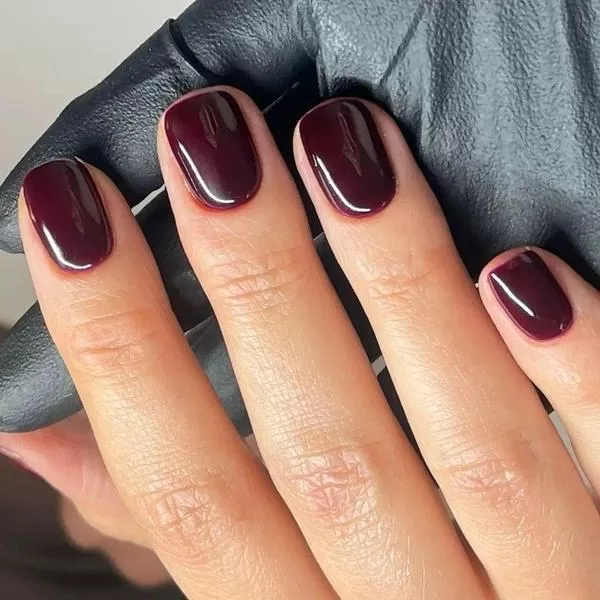
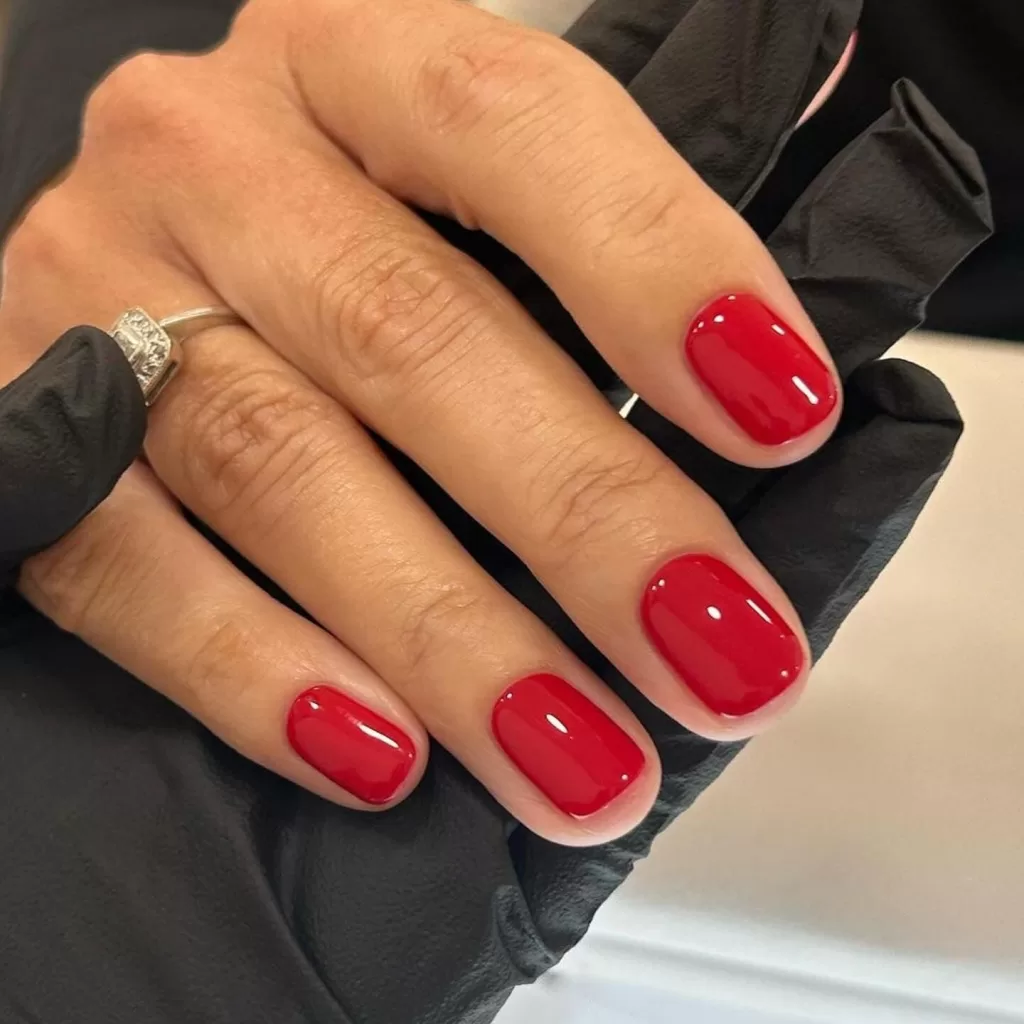
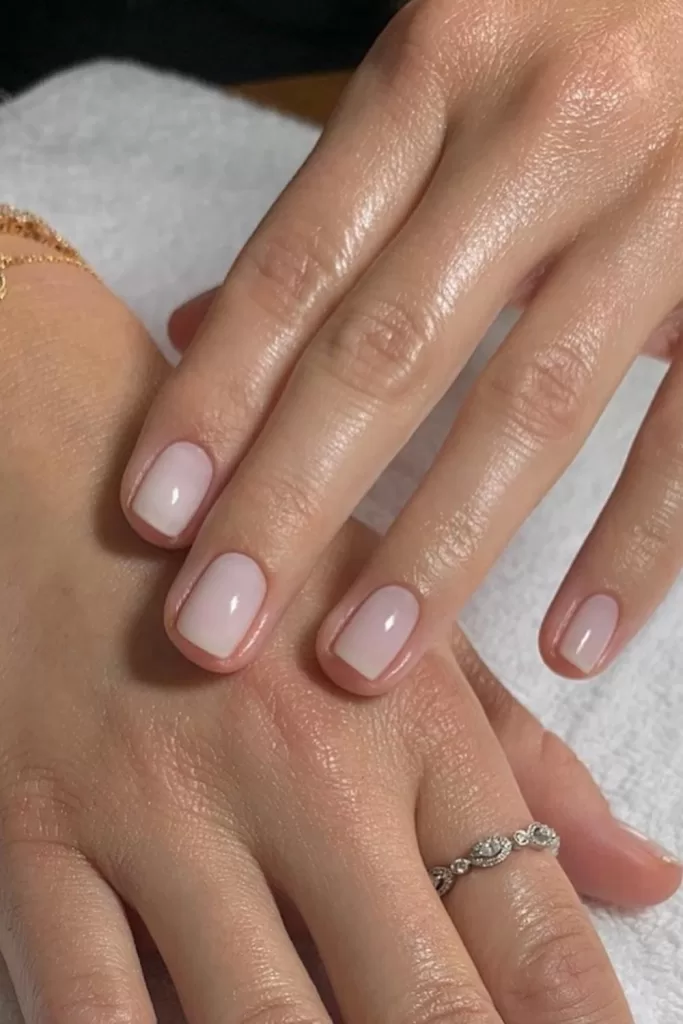
The name comes from blending square and oval. It describes a nail with a straight tip, like a square nail, but with softly rounded corners, like an oval one. The result is a clean, tidy silhouette with no sharp edges.
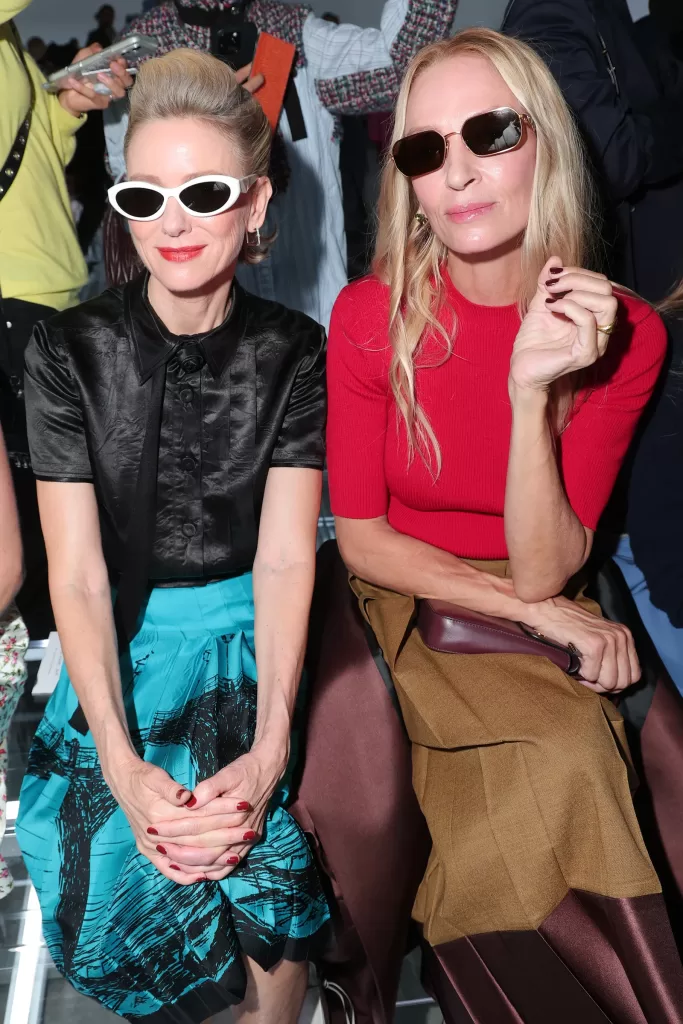
It’s a shape we already saw in the nineties and early 2000s, and it’s now returning with a more minimalist feel. Celebrities such as Kendall Jenner, Uma Thurman, Naomi Watts and Amal Clooney have embraced it, which helps explain why it’s showing up in beauty conversations again.
How to recognize the squoval shape
To identify it, look for these features:
- The free edge of the nail is straight or almost straight.
- The corners are softly rounded, with no 90-degree angles.
- The sides run fairly parallel, without narrowing the nail toward the tip.
- It usually looks more natural on short to medium lengths.
If you’re torn between squoval and square, think about how it feels: a square nail has sharp corners that can catch on clothes or hair; a squoval is gentler in everyday life.
Will it suit your natural nails?
One advantage of this shape is that it doesn’t demand much to start with. It usually works well if your nails are of medium width or if you want a manageable length. Still, every hand is different. A good trick is to look at the natural shape of your nail and follow its line instead of forcing it: that makes filing easier and the finish more harmonious.
If your nails break easily, are very thin, or you have any condition affecting your nails or cuticles, check with a dermatologist or a trusted professional first.
How to file them without weakening them
Getting the squoval shape at home is possible with a little patience. These steps can serve as a guide:
1. Prepare your nails
Wash your hands and dry your nails well. If you need to trim, leave them a bit longer than you want, because you can always remove more later.
2. Choose a gentle file
Medium or fine grit files tend to be gentler on the nail. Avoid very harsh ones, which can encourage peeling along the edge.
3. File in one direction
Move the file from the side toward the center, without sawing back and forth. This is a way to reduce the risk of the nail splitting into layers.
4. Define the straight edge
First shape the tip in a straight line, holding the file perpendicular to the nail, without pressing too hard.
5. Round the corners gently
Tilt the file slightly and soften only the corners, just enough to take off the angle. Compare one nail with another so they come out symmetrical.
6. Finish with care
Gently run the file along the underside of the edge to remove any rough spots, and apply cuticle oil or hand cream if your skin tolerates it well.
Which colors and designs suit this shape
Versatility is its great strength. The squoval silhouette works well with classic, understated options:
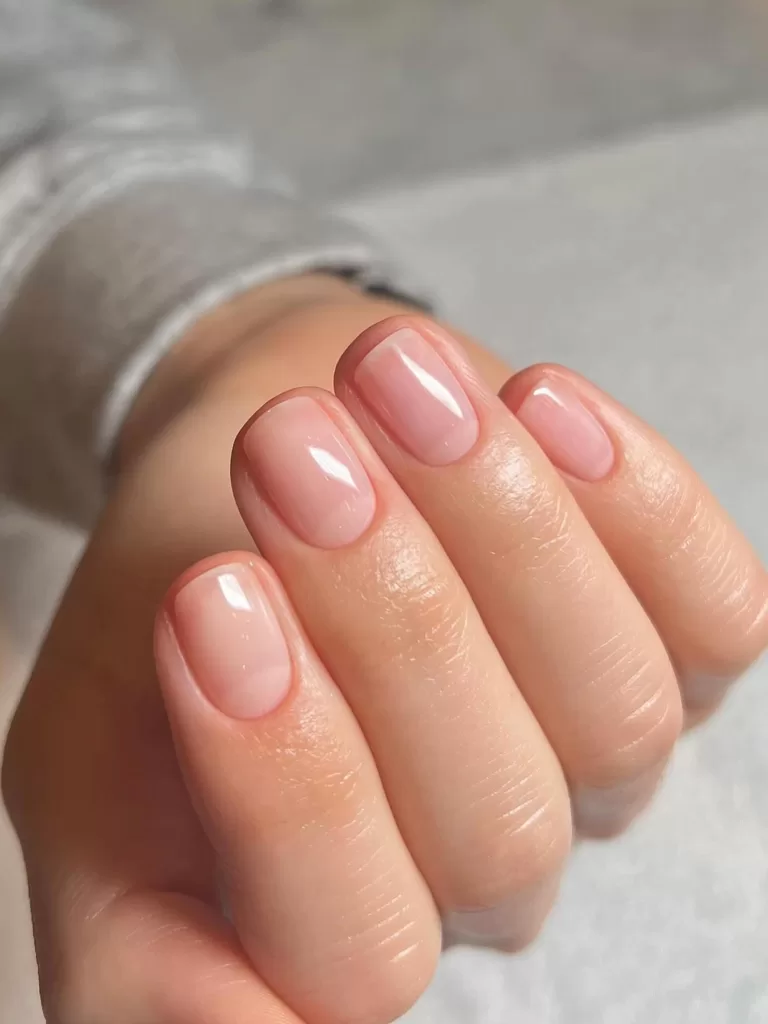
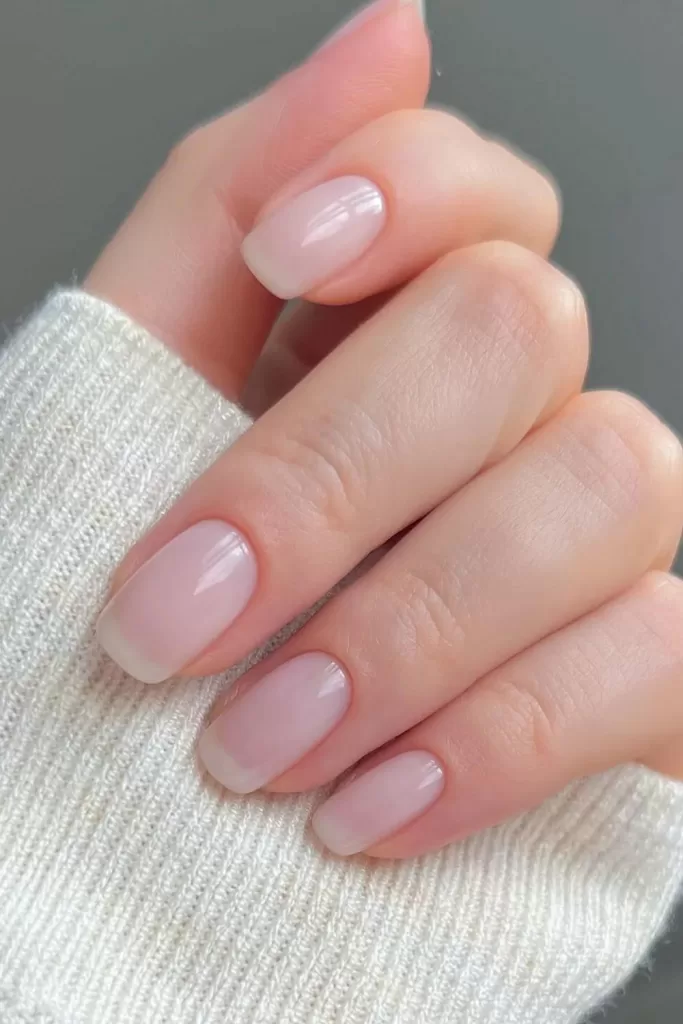
- Natural tones: nude polishes and finishes that mimic a healthy nail, for a polished, discreet look.
- Sheer pinks: they add radiance with a “your nails but better” effect.
- French manicure: the straight line of the tip enhances the classic white edge.
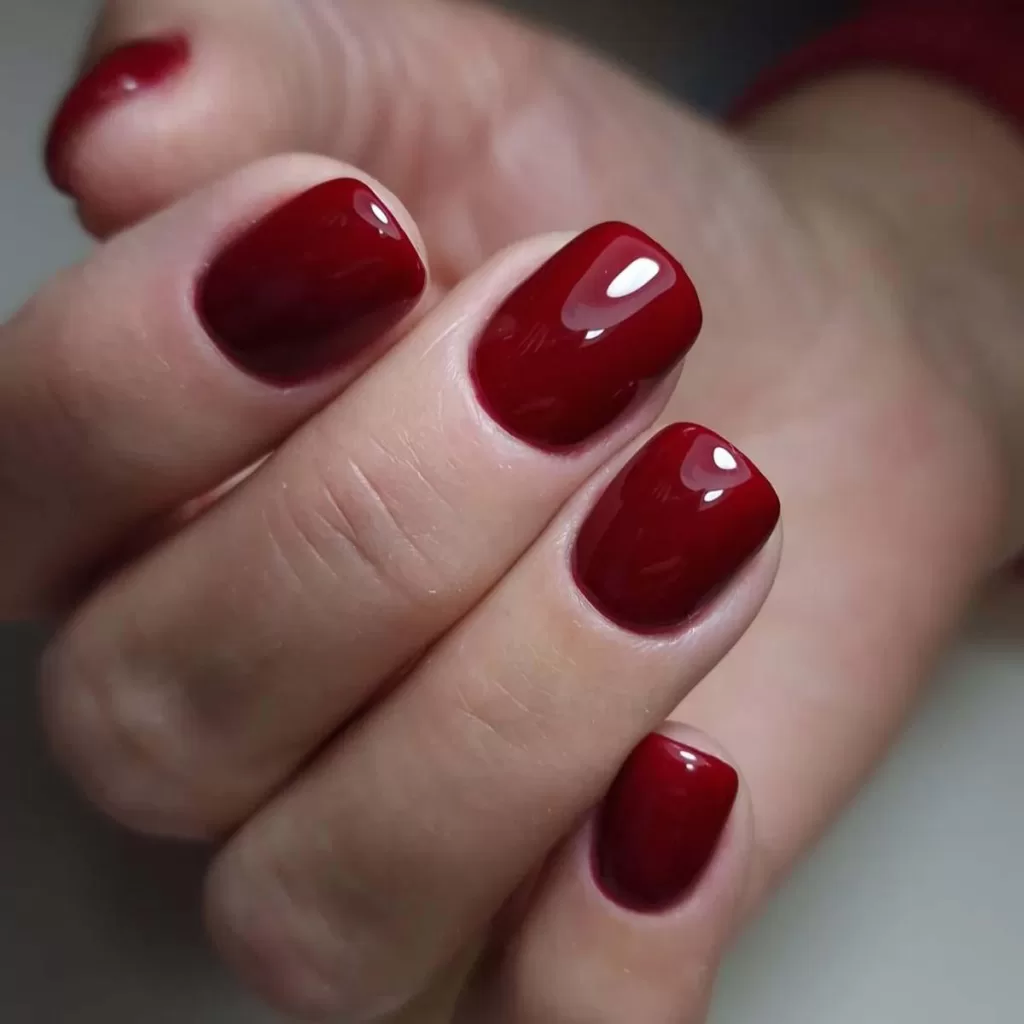
- Cherry red: a touch of color with character that needs no further embellishment.
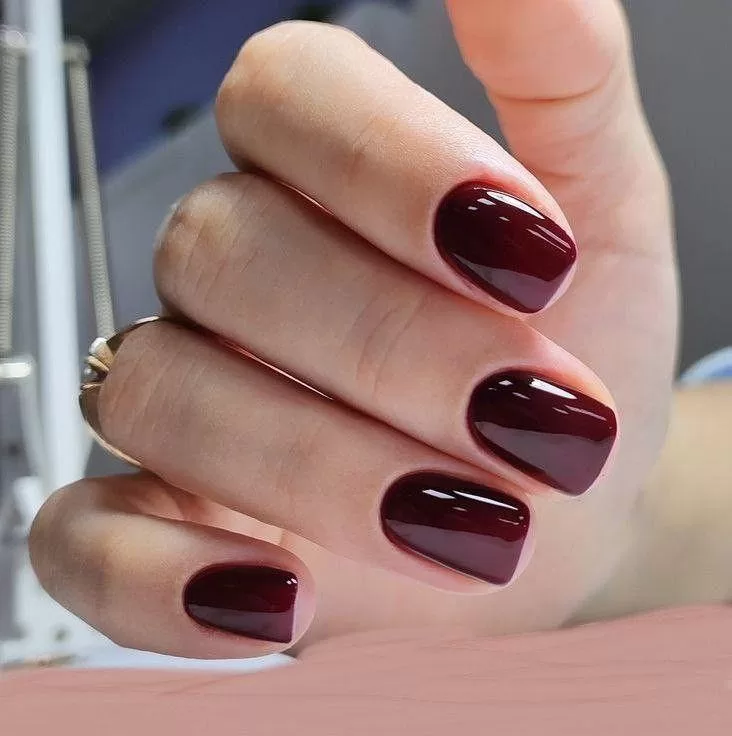
- Burgundy and chocolate: deep, dark shades, strongly associated with the nineties look.
If you prefer something more personal, try a single accent nail with a subtle detail, fine lines or a glossy finish. The key with this shape is not to overdo it: it looks best with clean designs.
Why nineties manicures are coming back
Fashion and beauty move in cycles, and the nineties and early 2000s are very present in today’s imagination. On top of that nostalgia comes a growing interest in short nails, minimalist manicures and practical routines. The squoval fits that context: it revives a classic shape and adapts it to a contemporary lifestyle, with less upkeep and more comfort.
Final tips before trying it
- Do a patch test with any new product, especially if you have sensitive skin or allergies.
- If you wear gel, acrylic or semi-permanent nails, go to a professional for the filing and removal.
- Go at your own pace: you don’t have to give up your nail’s natural shape to follow a trend.
- If you notice any change, pain or alteration in your nails or skin, consult a dermatologist.
In short
Squoval nails don’t promise miracles, but they do offer an elegant and practical way to wear a manicure. Their straight tip with rounded corners places them halfway between classic and comfortable. Whether it ends up being one of the big trends of 2027 remains to be seen, but trying it is simple: a good file, a little patience and the color that represents you best.