
Spring 2027 is still a way off, but it’s already a good time to think about how we want to dress. This guide presents the spring-summer 2027 trends as style directions rather than a dictate: ideas to inspire you, mix with what you already own and adapt your own way.
A quick note before we start
Each season’s official collections are unveiled gradually, so we won’t attribute specific looks to brands or designers. What we can do is look at movements that have been taking hold in the way people dress for some time: comfort, color, natural materials, more conscious consumption and a desire to express personality. They’re useful clues for building a wardrobe that works beyond a single season.
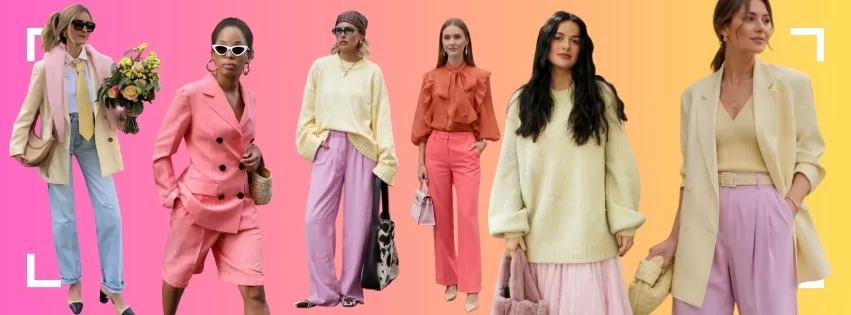
1. Color: between soft and bold
The spring-summer palette tends to move between two poles, and both can live side by side in the same wardrobe.
Soft, luminous tones
- Creams, butter yellows and off-whites, easy to combine with one another.
- Aqua and sage greens, which bring freshness without being loud.
- Washed blues, reminiscent of a clear sky and worn-in denim.
Pops of color with personality
- An orange or a coral in a single piece, such as a shirt or a scarf.
- Intense pinks or fuchsias in accessories, to try them out without committing.
- Warm yellows in lightweight garments or accessories.
A practical tip: choose the color that makes you feel good, not just the one billed as the star of the season. If you’re unsure, start with an accessory and see how it looks on you before moving on to a bigger piece.
2. Fabrics and textures made for the heat
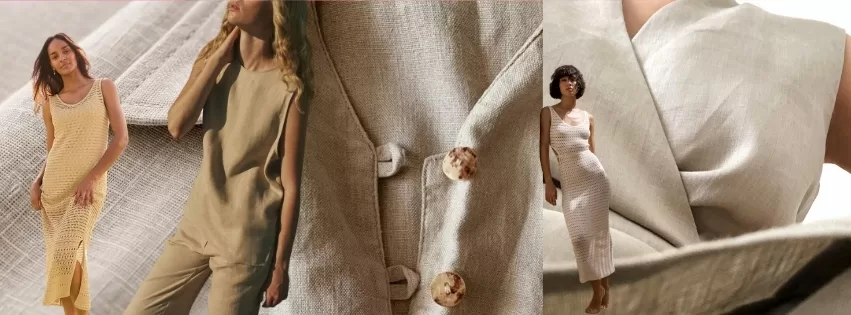
When temperatures rise, the fabric matters as much as the design. Natural fibers and breathable finishes remain great summer allies.
- Linen and cotton: cool, with a natural crinkle that is part of their charm.
- Gauze and soft sheer fabrics: perfect for layering over a comfortable base, at your own pace and according to your comfort level.
- Crochet and openwork knits: they add a handmade feel and can be found in secondhand shops or even learned at home.
- Poplin and fluid fabrics: they hold their shape without clinging to the body.
3. Silhouettes: freedom of movement
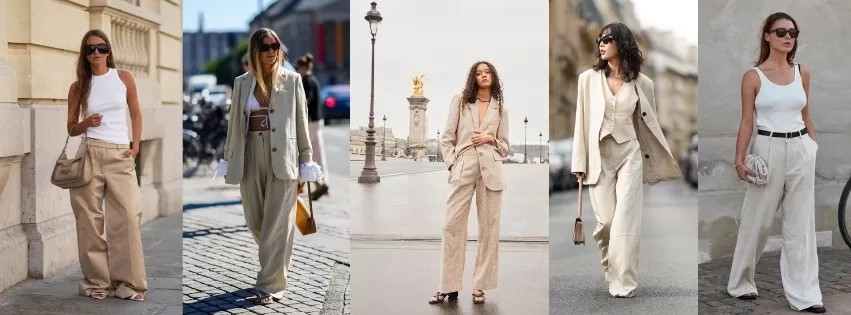
The idea that comes up most in today’s clothing is comfort. It’s not about everything being loose or everything being fitted, but about choosing the shape that lets you move with confidence.
Flow and volume
Wide-leg trousers with a comfortable rise, full skirts and shirt dresses remain versatile options. They work across many sizes and heights if you play with length and where you define the waist, or decide not to define it at all.
Lightweight tailoring
A blazer in a cool fabric or a vest can turn a simple look into something more polished. Look for cuts that let you move your arms and sit comfortably; that’s the best test that a garment is right for you.
Basics, reinvented
The white tee, light jeans or linen trousers never go out of style. The interesting part is changing the details: a different neckline, a different length or an unexpected mix of pieces.
4. Prints and details with character
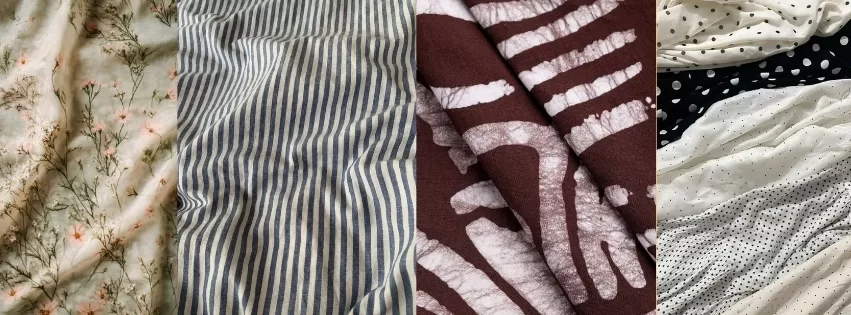
This season, it’s worth paying attention to prints that tell a story:
- Florals, in oversized or tiny versions, depending on your taste.
- Breton stripes and gingham checks, classics refreshed with new colors.
- Handcraft-inspired motifs, such as embroidery or batik-style prints.
- Polka dots, in any size and paired with solid pieces.
If a print feels overwhelming, try a single statement piece and keep the rest in neutral tones. If you love prints, mix them freely: there are no fixed rules.
5. Accessories and footwear: the finishing touch
Accessories are the most affordable way to update a wardrobe. Here are a few ideas for the warm season:
- Bags made of natural materials, such as raffia or fabric, with real space for your things.
- Scarves for your neck, your hair or your bag, which can change an entire look.
- Sunglasses in shapes that flatter you and feel comfortable.
- Flat sandals, espadrilles or lightweight sneakers: comfortable footwear is a priority, not a sacrifice.
- Simple or layered jewelry that you can combine with pieces you already have.

6. How to adapt trends to you
A trend is only useful if it fits your life. Before buying, ask yourself a few simple questions:
- Do I feel comfortable in this garment, standing, sitting and moving?
- Can I combine it with at least three things I already own?
- Does it suit my lifestyle, my climate and my job?
- Do I see myself in it, beyond the fact that it’s fashionable?
Fashion has no age or size. A linen dress, a pair of flowing trousers or a striped shirt can look good on anyone if they’re well chosen and worn with enthusiasm. What matters is that clothes adapt to your body, not the other way around.
7. Affordable and sustainable style
Following trends doesn’t have to mean spending a lot or piling up clothes. There are many ways to refresh your wardrobe thoughtfully:
- Check your wardrobe first: you probably have pieces that, combined differently, will feel brand new.
- Secondhand and vintage: flea markets, charity shops and resale platforms are a good place to find linen, cotton and quality garments.
- Swaps among friends: organizing a clothing swap day is fun and costs nothing.
- Alterations and customization: hemming, changing buttons or dyeing a tired garment gives it a second life.
- Buy less, but better: if you’re going to buy something new, think about how many times you’ll wear it and how it will hold up over time.
A capsule wardrobe for the new season
If you want a simple starting point, picture a base of a few versatile pieces:
- A lightweight shirt or blouse in a light shade.
- Flowing trousers or a comfortable skirt.
- A dress you can wear day and night by changing the accessories.
- A thin jacket for cool evenings.
- One pair of comfortable shoes and another slightly dressier pair.
From there, add one or two touches of color or print that you’re excited about.
To wrap up
The spring-summer 2027 trends will be confirmed over time, but we already know the essentials: the clothes that work best are the ones that make you feel at ease and reflect who you are. Play with color, choose fabrics that breathe, make the most of what you already own and round it out with secondhand or consciously made pieces. That way you’ll arrive at the new season with a style of your own, without pressure and with plenty of room to enjoy it.