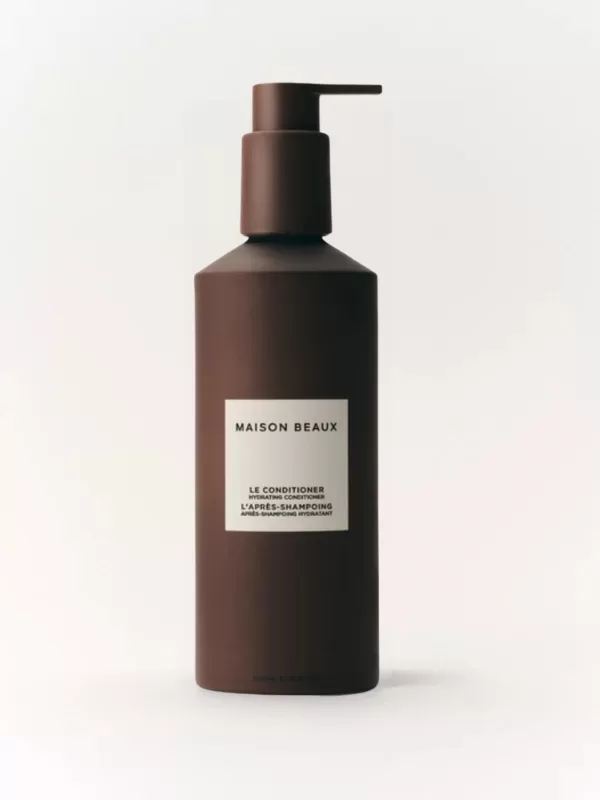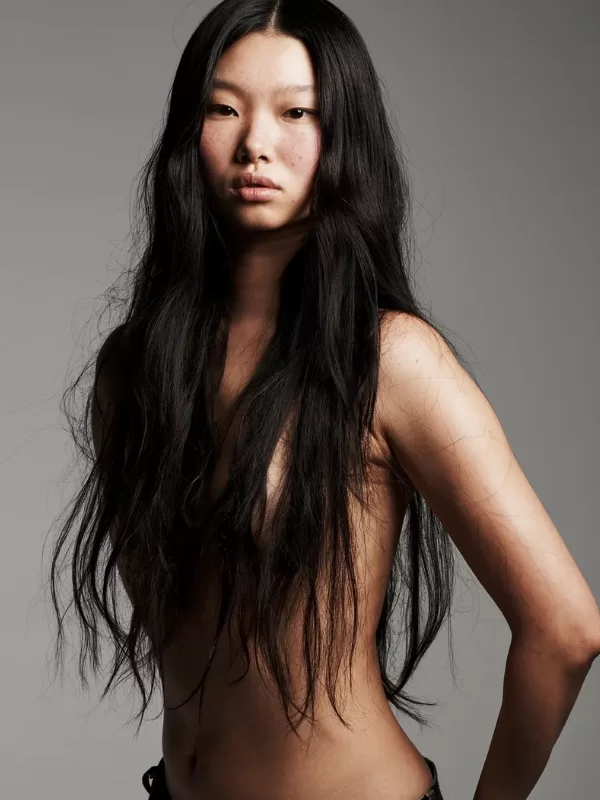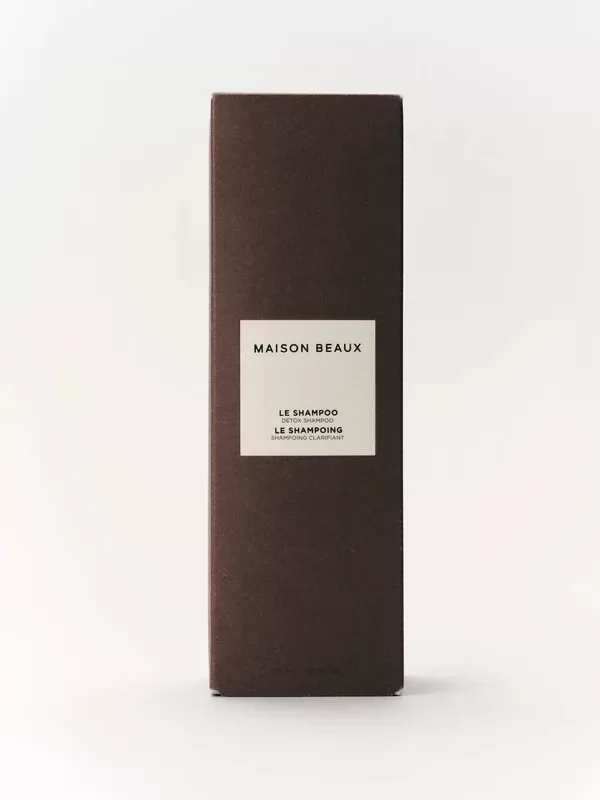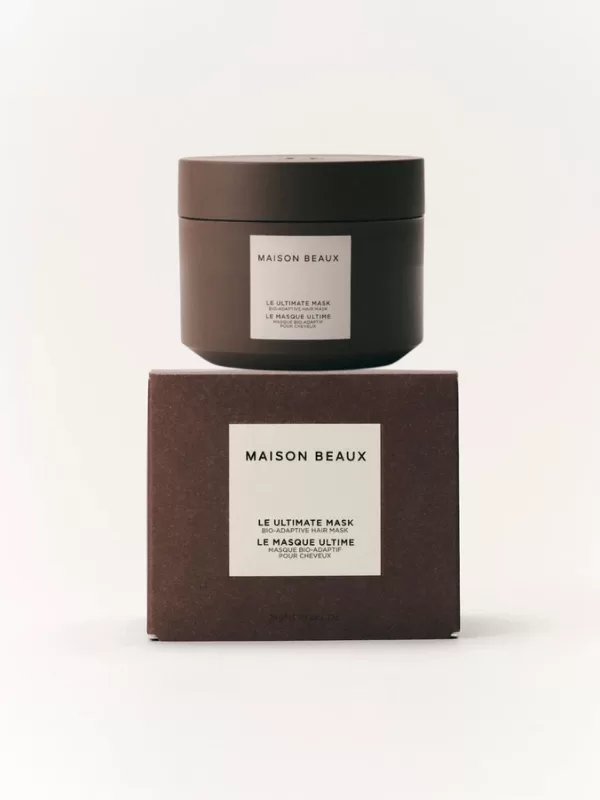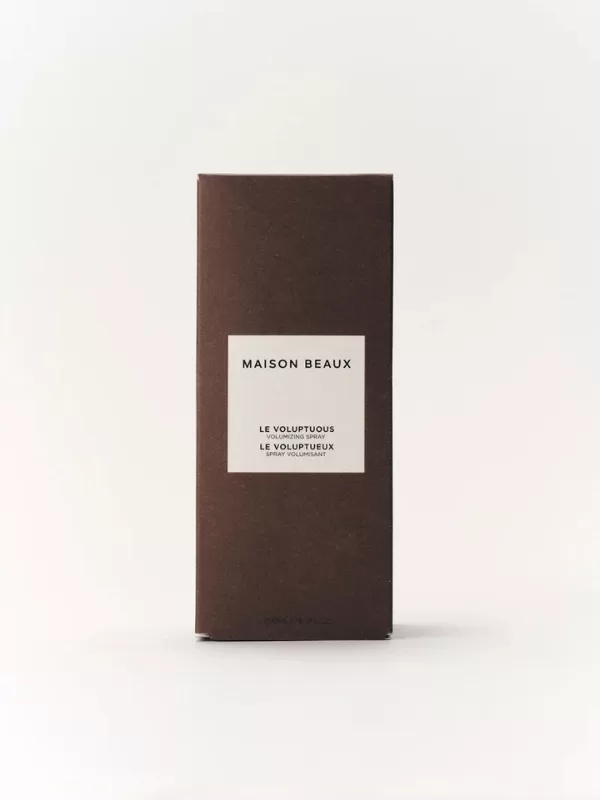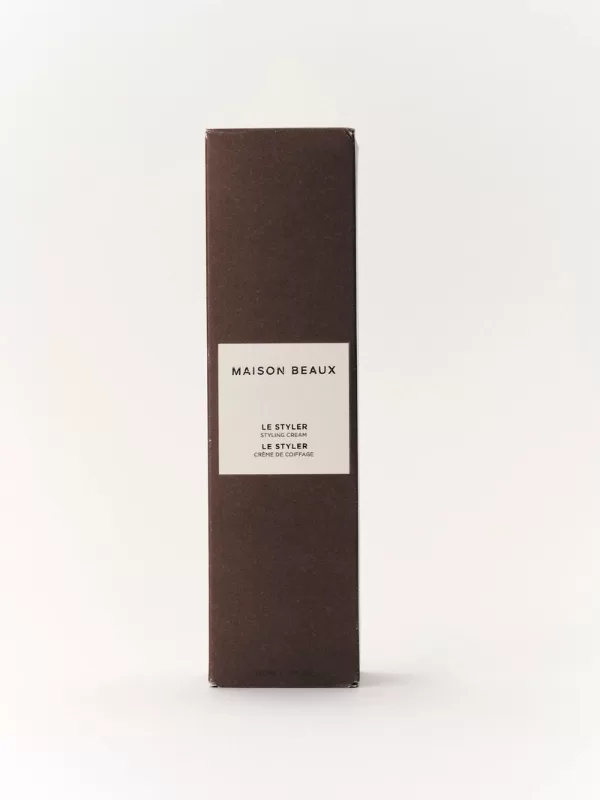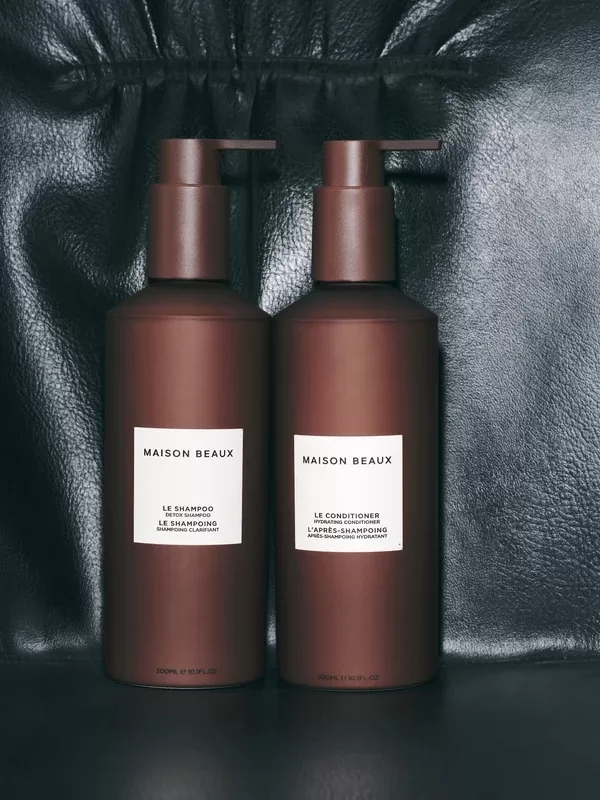
When a figure like Amber Valletta launches a hair care brand, the conversation tends to center on glamour. With Maison Beaux, the offering also comes wrapped in very scientific language: exosomes and “biomimetic collagen technology.” These are appealing terms, but it helps to understand what they mean and what you can realistically expect from them in a hair care routine.
This analysis is not a substitute for the manufacturer’s technical information. Part of what is communicated about these technologies consists of brand claims, and it is useful to tell them apart from what has been demonstrated.
What exosomes are
Exosomes are extracellular vesicles: tiny packages that cells release and that can contain proteins, lipids and other molecules. In biology they are studied as a form of communication between cells, which is why they generate so much scientific interest.
The leap from research to cosmetic product is a big one. These are the points worth keeping in mind:
- The source matters. Exosomes can be obtained from different sources, and quality, purity and characterization vary widely from one product to another.
- Stability is a challenge. A cosmetic formula has to last for months, and it is not always clear how these structures behave over that time.
- The skin barrier limits penetration. When applied to the scalp, there is no solid evidence that they reach the follicles and change how they function.
- Clinical evidence in cosmetics is limited. Much of the enthusiasm comes from preclinical research or from medical contexts that differ from that of a shampoo or conditioner.
What “biomimetic collagen” means
“Biomimetic” means that an ingredient imitates the structure or function of a natural molecule. It is not a regulated term and has no single definition, so it can describe different things depending on the brand.
There is an important nuance: visible hair is a fiber made up mostly of keratin, not collagen. Collagen is a key protein in the dermis, but an ingredient of this kind applied in a hair product normally acts on the surface of the fiber. At best it can help condition, smooth and improve the feel of the hair, but it does not “rebuild” hair from the inside or change the collagen in the scalp.
What the brand communicates and what remains to be verified
The descriptions of these technologies come from Maison Beaux’s own communication. To assess them rigorously, you would need to know the full composition of each product, the type of exosomes or collagen used, and whether there is efficacy testing carried out by third parties. If that information is not public, the prudent approach is to treat it as commercial positioning rather than as a proven fact.
What result is reasonable to expect
With a cosmetic hair product of any price range, realistic expectations lie in the realm of appearance and feel:
- Greater softness and easier detangling.
- A feeling of hydration and more flexible hair.
- More shine and a better-groomed look.
- A comfortable scalp, if the formula suits you.
What is not reasonable to expect is that a shampoo or a hair mask will regenerate tissue, stop hair loss or change biological functions. Results also vary depending on hair type, its condition, previous treatments and how consistently you use the product. A high price or a scientific narrative does not guarantee a better result.
The regulatory implication
Here lies one of the keys to the issue. If a product claims to regenerate tissue, treat hair loss or modify biological functions, it may leave the cosmetic realm and fall into the category of drug or biological product in several jurisdictions, with much more demanding evidence and authorization requirements.
In the United States, according to the information we have (it should be checked against up-to-date official sources), no exosome product has received FDA approval for dermatological use. That is why cosmetic brands tend to limit their messaging to hydration and appearance: it is the way to stay within the cosmetic category. That caution in the language is a useful clue for consumers.
How to read this kind of launch
- Pay attention to the verbs. “Conditions,” “smooths” or “improves the look of” are cosmetic claims. “Regenerates” or “treats hair loss” should make you wary.
- Look for transparency. A complete ingredient list and data on the testing carried out are a good sign.
- Distinguish science from marketing. The fact that a concept exists in research does not mean it works the same way in a daily-use product.
- Compare with your needs. A good shampoo or conditioner suited to your hair type can offer more than a flashy technology.
Precautions before trying a new product
If you decide to try any product from this line or any other, first do a patch test on a small area of skin and wait for the time the manufacturer indicates. If you have sensitive skin, allergies or any scalp condition, consult a dermatologist beforehand. The same applies if you notice persistent hair loss, itching, redness or flaking: these are signs that call for professional assessment, not a change of cosmetic.
A conclusion without rushing
Maison Beaux reflects a clear trend: bringing the vocabulary of biotechnology into luxury hair care. It is an appealing idea, but the informed consumer does well to separate what the brand says from what the evidence supports. The most sensible approach is to expect pleasant, well-formulated cosmetic care, and to reserve medical expectations for treatments that have gone through the appropriate controls.