Sometimes life invites us to choose differently when we least expect it. That is what happened to Alejandra Corea Chávez, known as Ale Corea, who left a corporate career of about 15 years to dedicate herself to sharing Access Bars. In this article we tell you what this practice is, what a session is like, what is known (and what isn’t) about it, and what the upcoming in-person certifications in Costa Rica are.
Ale Corea’s story: when life invited her to choose differently
Alejandra is an accountant and business administrator. For years she built what, by conventional standards, looked like a complete life: a career, a home, a partner, a car and stability. However, during the pandemic she went through a period she describes as a dark night of the soul, in which everything she took for granted began to fall apart.
In the midst of that crisis she looked for tools to help her get through it. She tried traditional options, such as psychology and various therapies, but felt that at that moment she needed to explore other possibilities. With a very logical, math-oriented background, concepts like consciousness and energy seemed strange to her, so instead of adding more therapies, she decided to learn how they worked.
That is how she came to Access Consciousness. What struck her most was a different perspective: exploring life without feeling that something is wrong and needs fixing. According to her, Access taught her to question her points of view and to ask different questions. That experience changed the way she works, relates to others and makes decisions, and motivated her to train as a facilitator.
What is Access Consciousness?
Access Consciousness is a set of tools and processes founded by Gary Douglas and later developed together with Dain Heer. Its proposal is to invite people to question beliefs, judgments and conclusions adopted throughout life, and to explore new possibilities from curiosity and choice.
Among its best-known questions are:
- Is this really mine?
- What can I choose differently?
- What possibilities exist that I haven’t yet considered?
It is not about looking for right answers or following a formula, but about developing greater awareness of what we choose.
What are Access Bars?
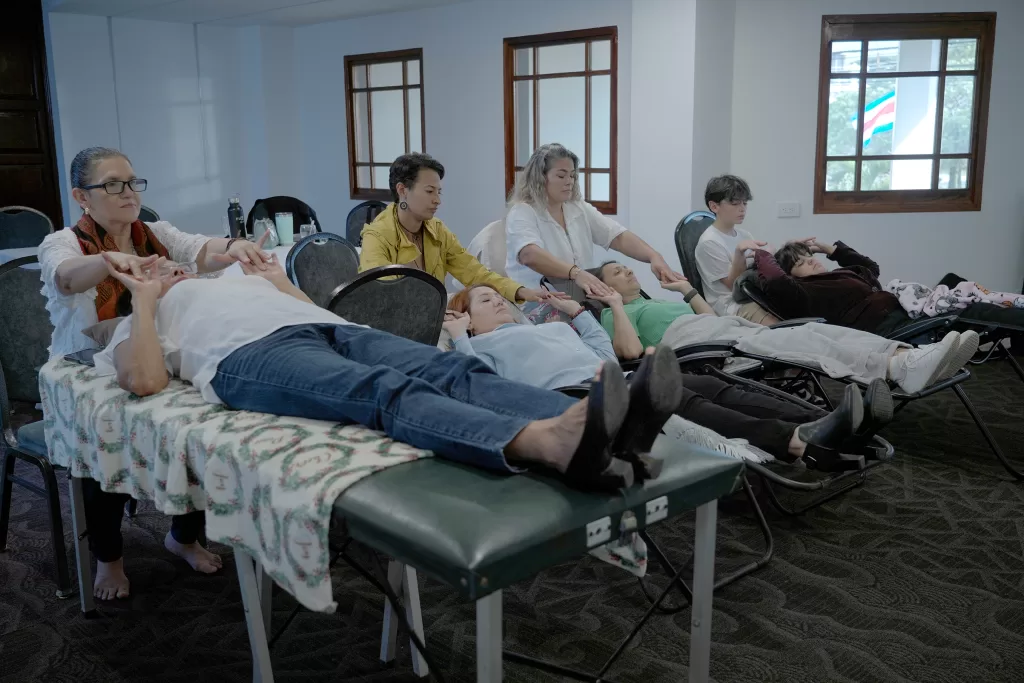
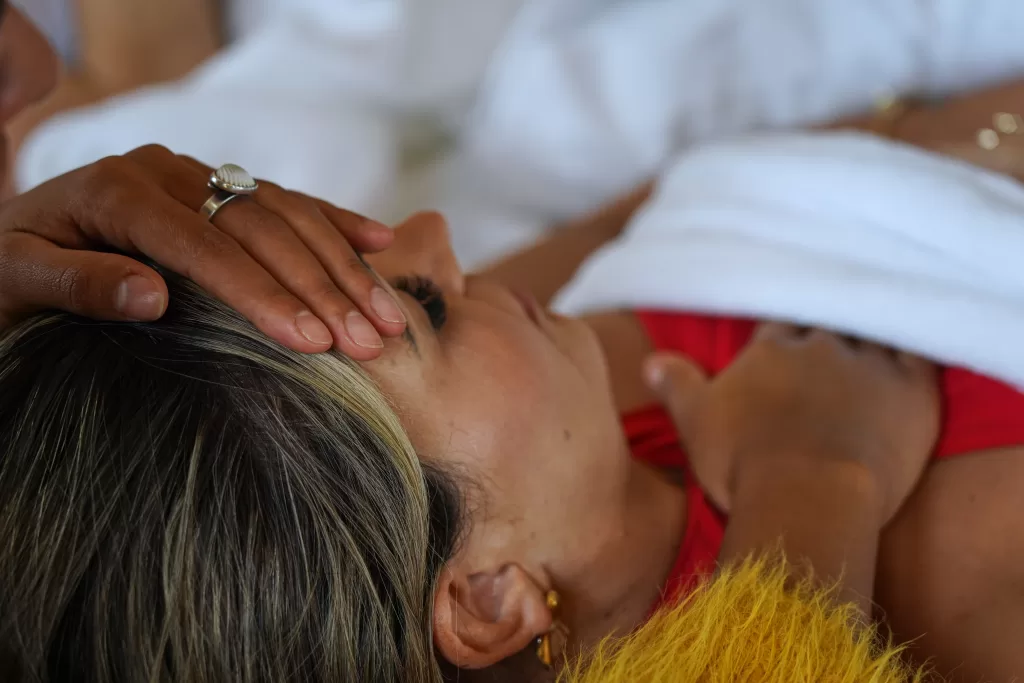
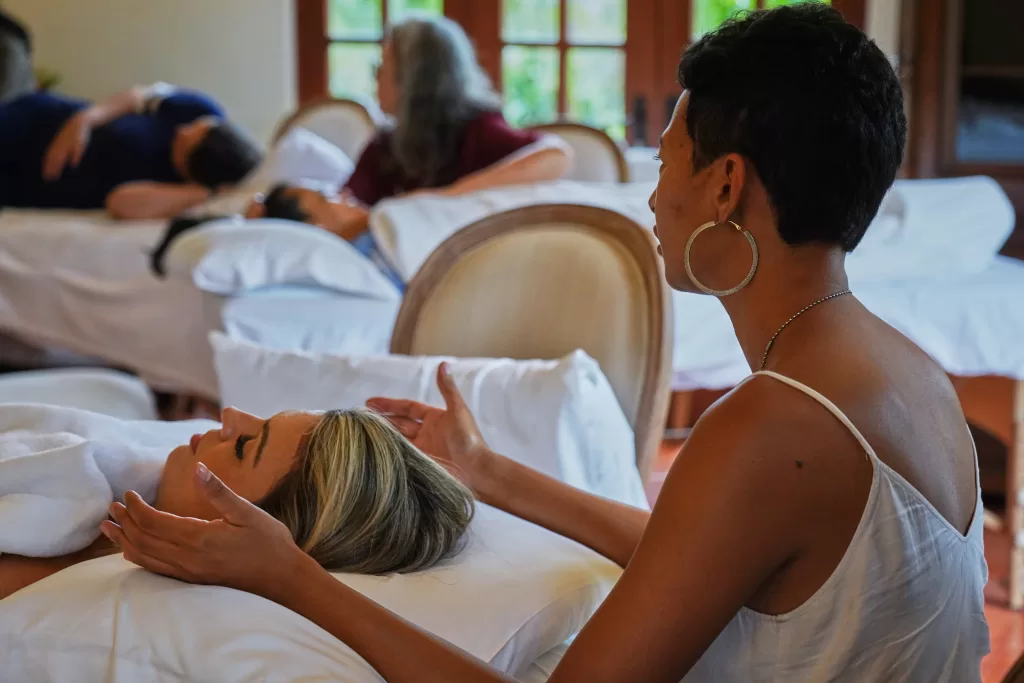
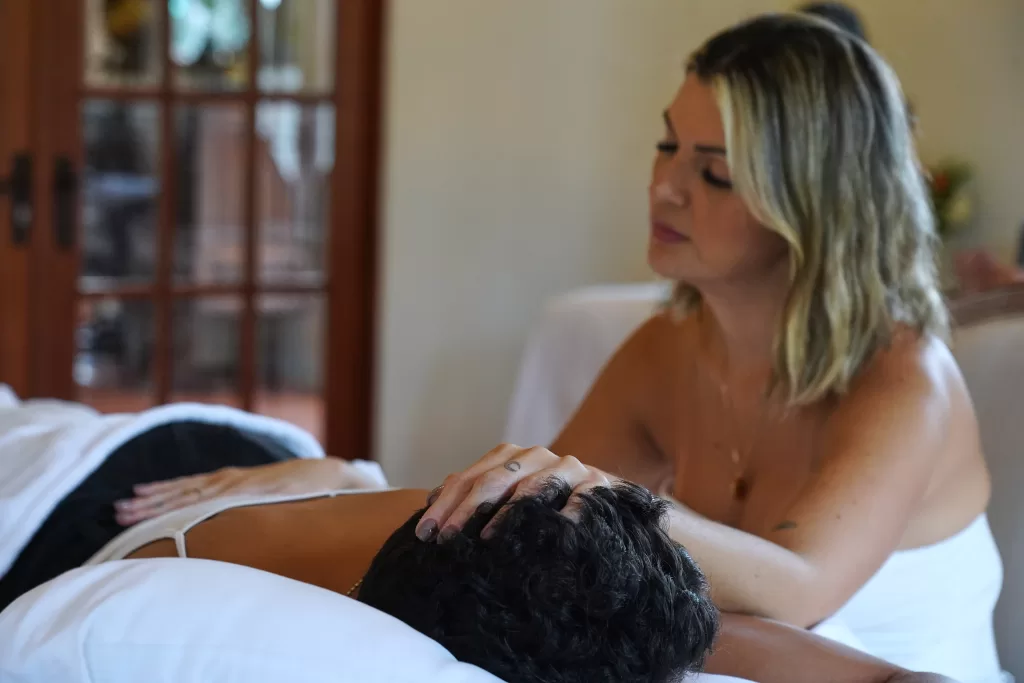
Access Bars are a body-based tool that involves gently touching 32 points on the head. According to Access Consciousness, each point relates to an aspect of life, such as money, control, creativity, relationships, communication or the body.
What is a session like?
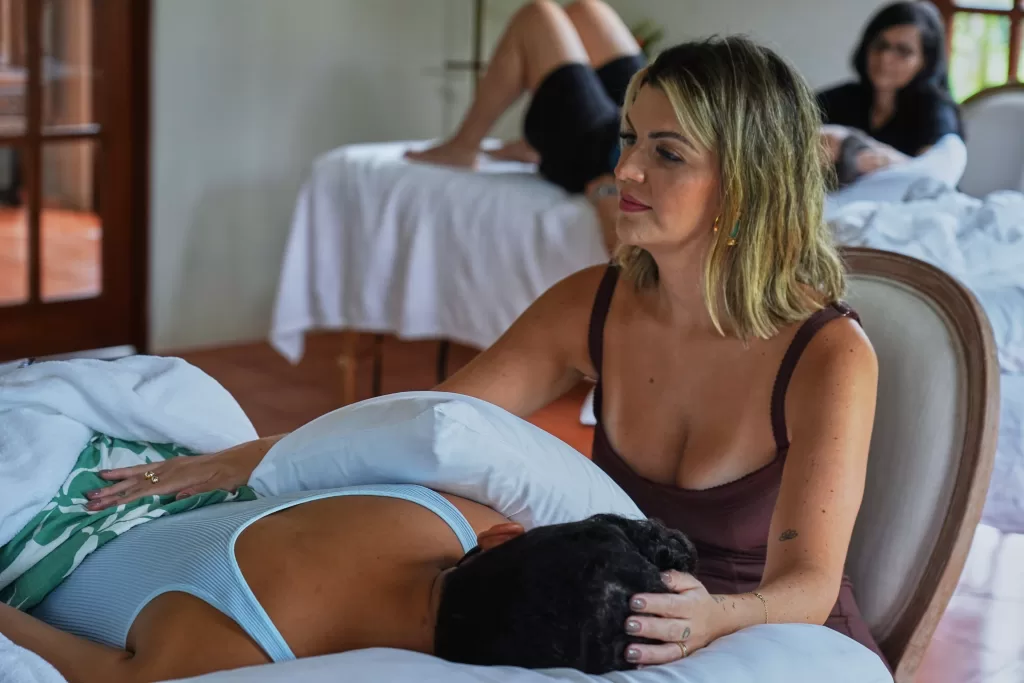
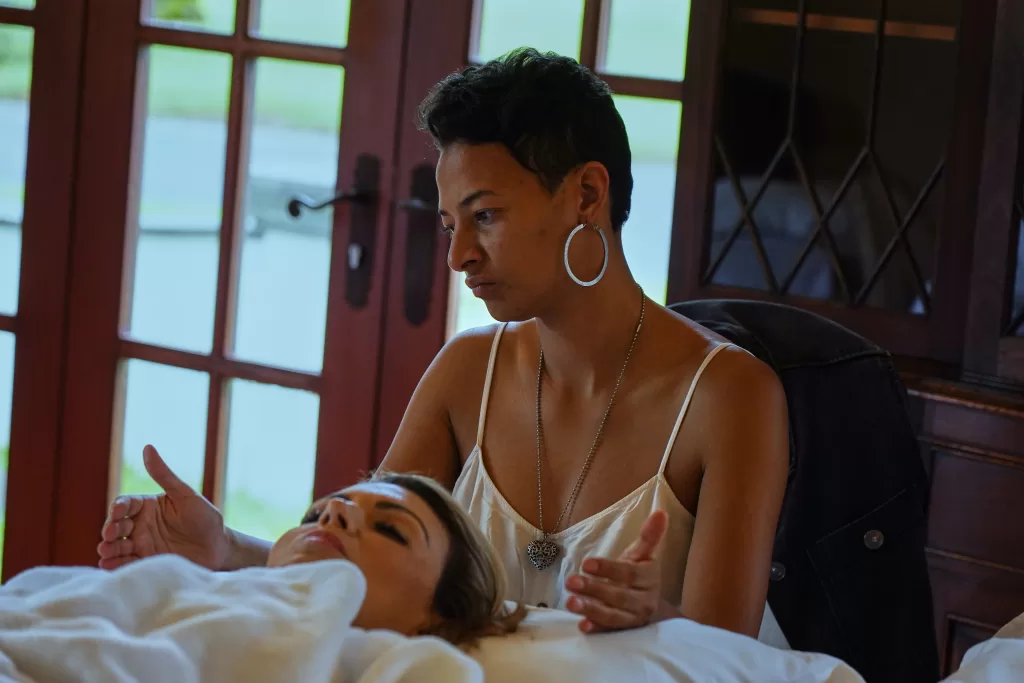
- The person lies down in a calm environment.
- They receive a gentle touch on the head, similar to a soft massage.
- It generally lasts between 60 and 90 minutes.
- It can be received just once or as often as each person prefers.
Everyone experiences the session differently. Some people feel deep relaxation, others enjoy it as a time to rest, and others use it to look at their lives from another angle. You don’t need to arrive with a problem to solve.
What to keep in mind about the benefits
People who practice and facilitate Access Bars often describe feelings of relaxation, lightness and clarity. Access Consciousness also states that the practice is used in companies, schools and other institutions in more than 170 countries, with a broad network of facilitators.
That said, it is important to be cautious. Personal experiences are valuable, but they are not the same as solid medical evidence. According to the general consensus of health organizations, complementary wellness practices can support self-care, but they do not replace professional diagnosis or treatment. For that reason, Access Bars should not be understood as a cure or a treatment for insomnia, migraines, depression, anxiety or other health conditions.
Access Bars certification: open to everyone
The certification is an official Access Consciousness training that teaches the technique and, once you complete the class in line with the program’s requirements, allows you to facilitate Bars sessions. You do not need to be a therapist, psychologist or health professional, or have any prior experience in alternative therapies.
For some people it is an investment in their own well-being, a space to learn something new and take time for themselves. For others, it can be an additional tool for their practice or the start of a path as facilitators.
Upcoming in-person certifications
Ale Corea invites anyone who feels curious to join her upcoming certifications. All are in person, from 9:30 a.m. to 5:30 p.m., at a cost of ₡180,000:
- October 18: Alajuela.
- November 1: Cartago.
- November 15: San José, Barrio Escalante.
For registration and inquiries you can write or call 8492-0553. You can also find more information on Instagram: @acterapiasalternativas_. To learn more about the organization, visit accessconsciousness.com.
Want to experience a session?
Ale Corea also offers Bars sessions, Facelift and body processes in Calle Blancos, Montelimar, San Ramón de la Unión. You can book at 8492-0553.
When to see a health professional
Access Bars can be a moment of pause and rest, but they do not replace medical or psychological care. It is advisable to consult a health professional if:
- You have insomnia, or frequent or intense headaches or migraines.
- You notice persistent sadness, anxiety that interferes with your daily life, or panic attacks.
- You have a prior diagnosis and are thinking of changing or stopping your treatment. Don’t do so without first consulting your treating professional.
- You are going through an emotional crisis or have thoughts of harming yourself. In that case, seek immediate help from emergency services or a helpline in your country.
If you already receive medical or psychological care, you can let your professional know that you are interested in this practice, so that it serves as a complement and not a replacement.
A closing question
Ale Corea’s story reminds us that the start of something different doesn’t always require having all the answers, but daring to ask a new question. Perhaps yours is this one: what else is possible for you that you haven’t yet considered?
This content is for informational purposes only and does not replace the advice, diagnosis or treatment of a healthcare professional. Always consult your doctor.