
Every season arrives with an avalanche of suggestions, and it’s normal to feel a little lost among so many opinions. The good news is that the most interesting fashion trends aren’t rules to follow, but ideas to play with. Here are seven that are getting people talking, with tips for adapting them to any body, age and budget, plus affordable and sustainable alternatives so you don’t have to overhaul your whole wardrobe.
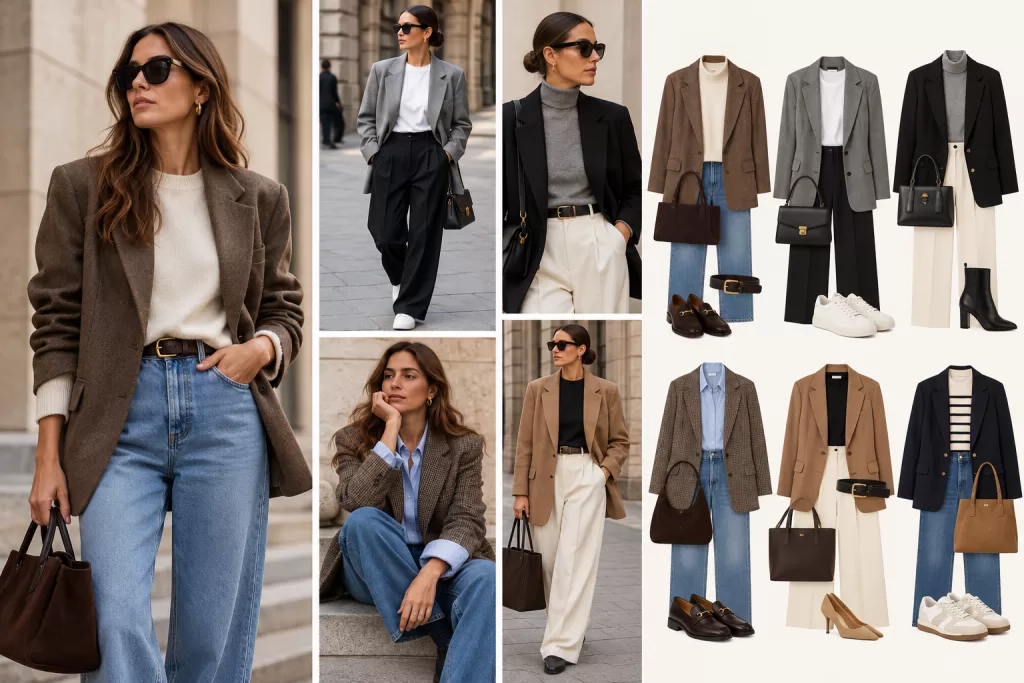
1. Relaxed Tailoring: The Blazer That Works for Everything
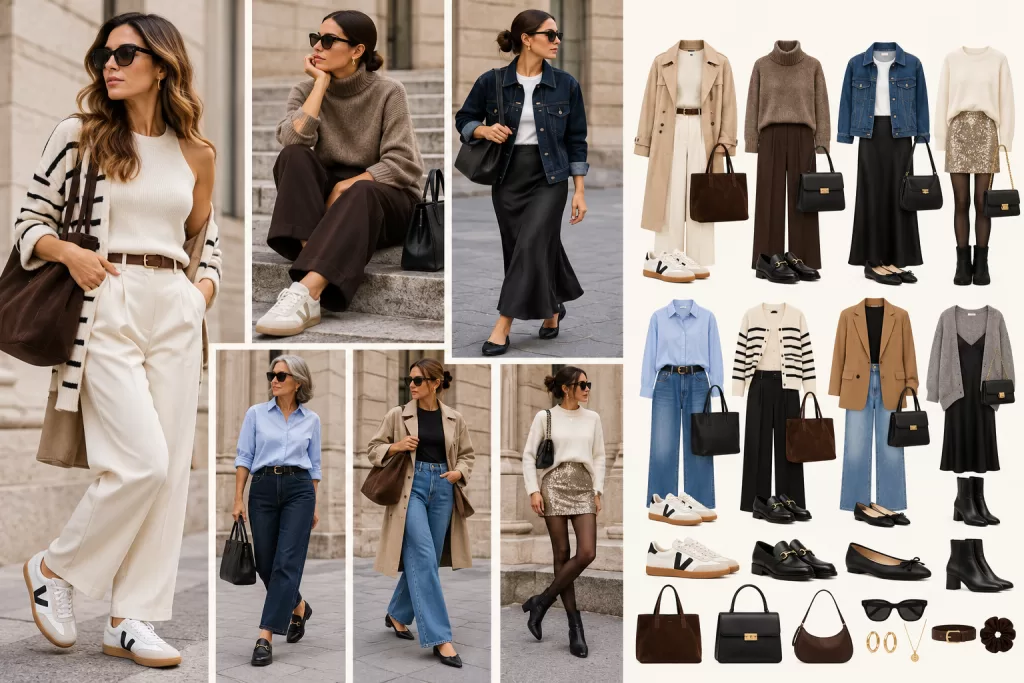
The blazer keeps gaining ground, but in a comfortable version: slightly dropped shoulders, fabrics with good drape and cuts that don’t feel tight. You can wear it with jeans and a T-shirt for everyday looks, or with flowy trousers for a meeting.
- How to wear it: try pairing it with a knit piece or a basic T-shirt to take the edge off the formality.
- For every body: look for the size that lets you move freely. If a piece has a more structured cut, a good tailor’s alteration can change everything.
- Affordable option: check out secondhand shops or family members’ closets; good-quality blazers are usually easy to find.
2. Earth Tones and Warm Neutrals
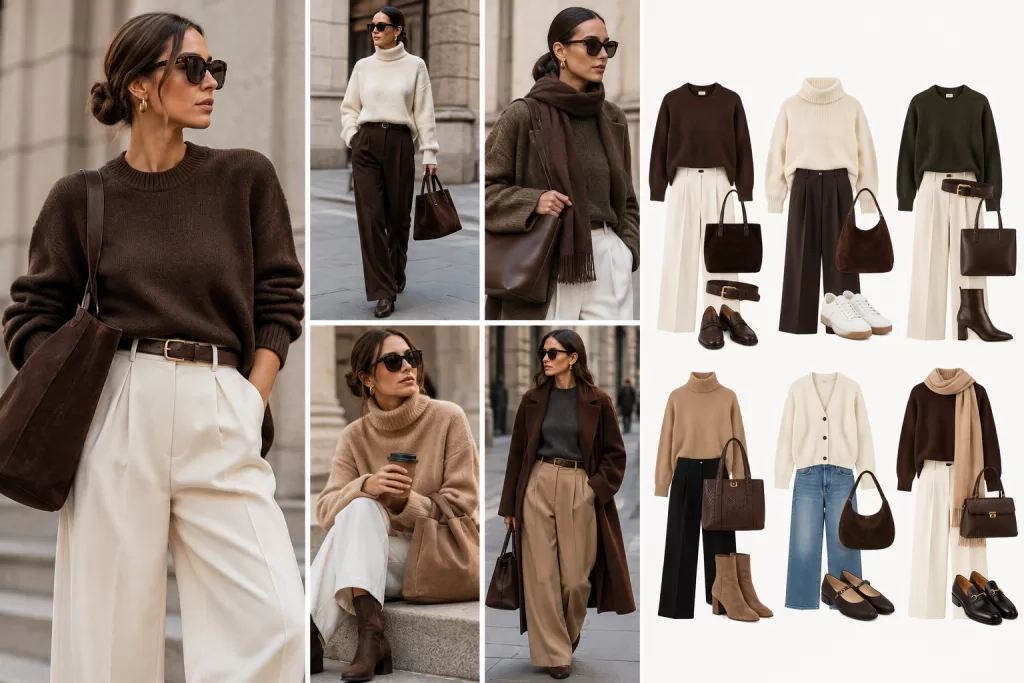
Beige, sand, chocolate, camel and cream make up a calm palette that mixes almost effortlessly. The beauty of these colors is that they let you build complete looks with just a few pieces and work at any age.
- If going monochrome feels like a stretch, start with a single statement piece and pair it with basics.
- Play with textures (linen, knit, corduroy, cotton) so the outfit doesn’t look flat.
- A scarf or belt in a similar shade helps you incorporate what you already own.
3. Midi Skirts and Dresses with Movement
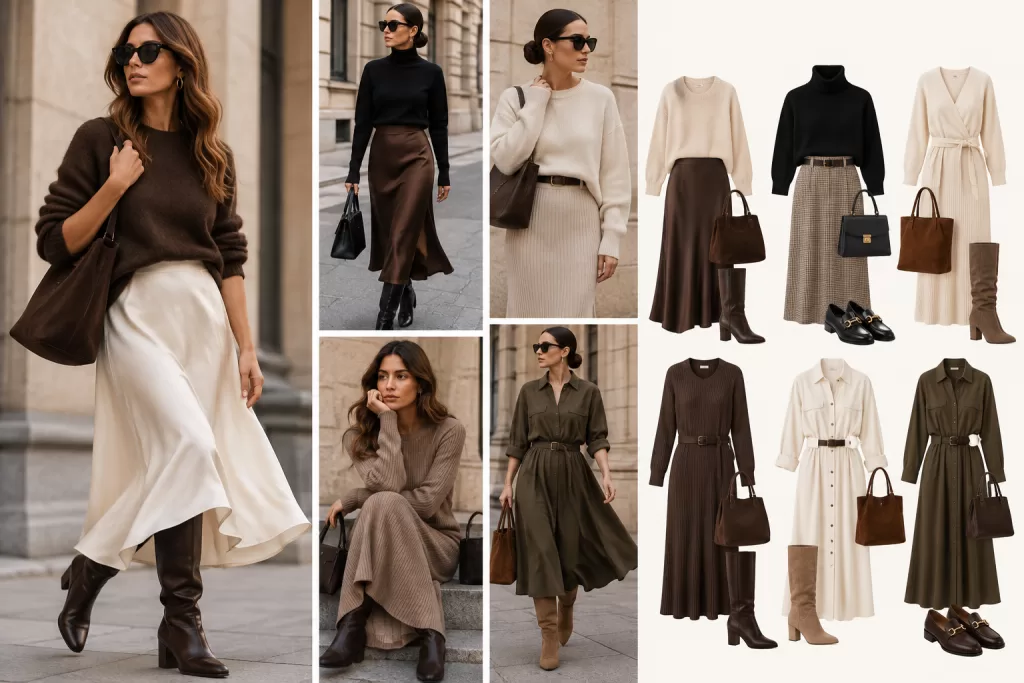
Midi and long silhouettes, with volume or a fluid drape, are establishing themselves as a versatile option. They work with boots, sneakers or sandals, and adapt to different heights depending on how you style them.
Small Styling Tricks
- If you want to visually lengthen your figure, try matching your shoes to a tone similar to the garment.
- A defined waist is an option, not an obligation: loose cuts are just as current.
- Lightweight fabrics and elastic closures add comfort, something everyone appreciates.
4. Denim in New Versions
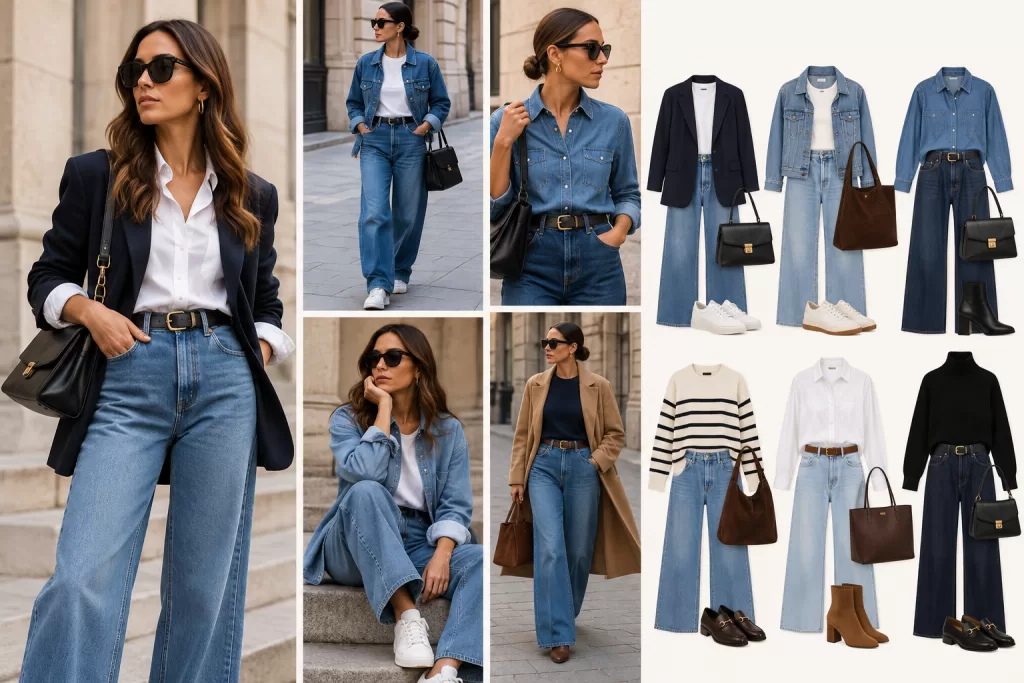
Jeans never go out of style, but their shape keeps changing. Straight and wide cuts coexist with slimmer ones, and denim also shows up in jackets, shirts and skirts. There’s room for every preference, and what matters is choosing the style you feel comfortable in.
- Denim total look: mix two different shades of blue to avoid the uniform effect.
- Caring for the planet: denim uses a lot of resources in its production, so extending the life of your jeans, repairing them or buying them secondhand is a smart decision.
- Personalize them: a new hem or a patch can give them a different look for next to nothing.
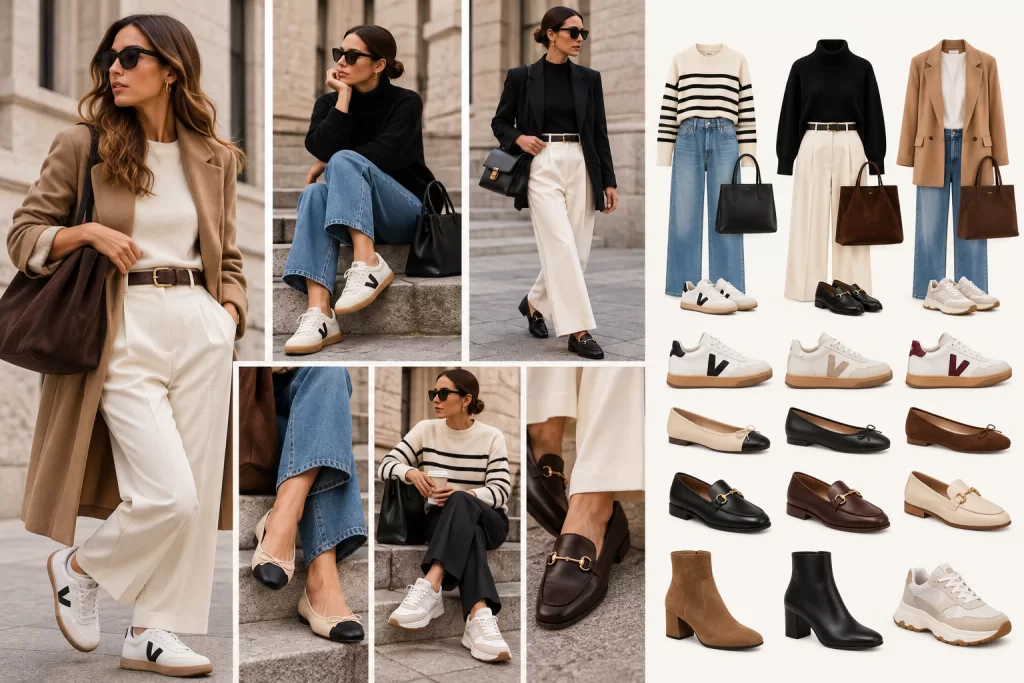
5. Comfortable Shoes with Character
Ballet flats, retro-inspired sneakers and flat shoes with details have earned their place. After years of heels and platforms, comfort has become part of style, not its enemy.
- Ballet flats work with dresses, wide-leg trousers or straight jeans.
- Classic-style sneakers can elevate a simple everyday look.
- If you have a similar pair in your closet, clean them, swap the insoles or take them to the cobbler before buying another.
6. Bags and Accessories with Personality
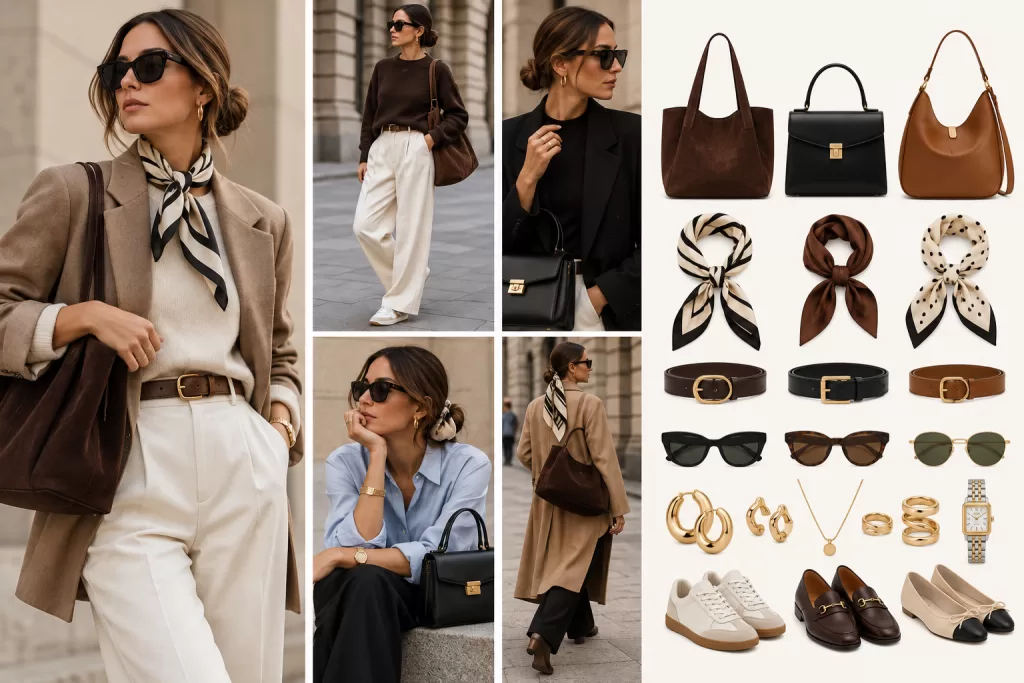
Accessories are the most economical way to update a look. Among the ideas that come up most often are roomy, comfortable bags, scarves worn around the neck or tied to your bag, artisan-style jewelry and eye-catching belts.
How to Incorporate Them Without Overcomplicating
- Choose one statement piece: if the bag is eye-catching, keep the rest more understated.
- Mix with intention: combining metals or stacking rings and bracelets works well if you keep a common color thread.
- Save with style: flea markets, swapping with friends and local artisans are excellent sources of one-of-a-kind pieces.
7. Layers, Textures and a Touch of Shine
Layering lets you stay comfortable through temperature changes and creates more interesting looks: a shirt over a T-shirt, a vest over a thin sweater or a light jacket over a dress. On top of that come little flashes of sparkle, such as fabrics with a bit of shimmer, metallic details or subtle sequins.
- Start with thin layers and add volume only if it feels comfortable.
- A shiny detail, such as a shoe, a pair of earrings or a top, is enough to add spark to a neutral outfit.
- You don’t have to save shine for the evening; paired with jeans, it looks relaxed.
How to Adapt Trends to Yourself
A trend is only worth it if it makes you feel good. Before buying, ask yourself a few simple questions: Do I feel comfortable in it? Can I combine it with three things I already own? Does it fit my daily life?
For Different Bodies
There is no “ideal” body for wearing a garment. Cuts, fabrics and sizes vary between brands, so trying on several options and paying attention to comfort is more useful than following rigid rules. Tailoring alterations are a great ally for adjusting any piece to your measurements.
For Different Ages
All of these ideas can be worn at any age. What changes is how you interpret them: perhaps you prefer a more understated version of a garment, or a bolder one. That decision is entirely yours.
For Different Budgets
- Check your wardrobe first: many of these trends can be recreated with pieces you already have.
- Secondhand and swapping: these are affordable and sustainable options, and they often turn up quality pieces.
- Buy less, but better: if you invest, do it in garments you’ll wear often and can combine in several ways.
- Take care of what you own: washing at low temperatures, airing out clothes and repairing them in time extends their life.
One Last Note
This season’s trends are an invitation to experiment, not a to-do list. Pick one or two that catch your eye, try them with what you already have and adjust little by little. In the end, the best style is the one that lets you move comfortably and recognize yourself when you look in the mirror.