
Recent weeks have brought a mix of headlines: a sportswear giant barely growing, a luxury retailer in bankruptcy, a legendary couturier's death, and a storm affecting millions of people. Read separately, they can feel unrelated. Read together, they describe a world adjusting to caution, new technology and shifting ideas of value.
This guide organizes our latest News coverage by theme rather than by date. It starts with business pressure in fashion, then looks at how AI changes the way brands are found. After that come consumer attitudes, circular fashion and craft, the cultural moments of the season, and the money and world stories that shape daily life. Each section points to the full articles.
Fashion and luxury under financial pressure
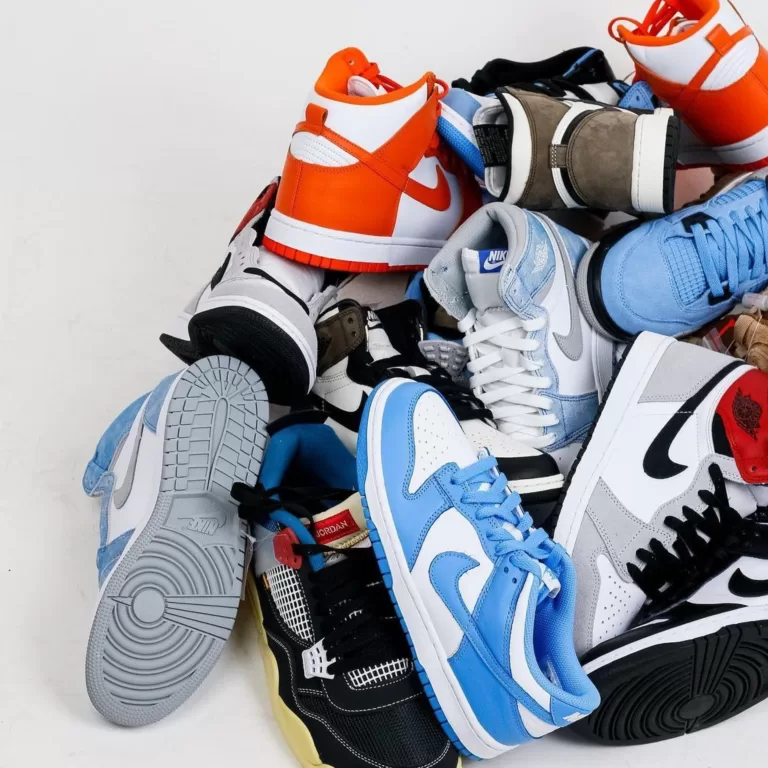
The strongest business theme this season is strain. Nike is growing again, but barely: roughly 1% year-on-year revenue growth, about $12.4 billion in its second fiscal quarter of 2026, and profits supported by tight cost control. The article ties that thin recovery to investor pressure and a sense among sneakerheads that the brand has lost some of its spark.
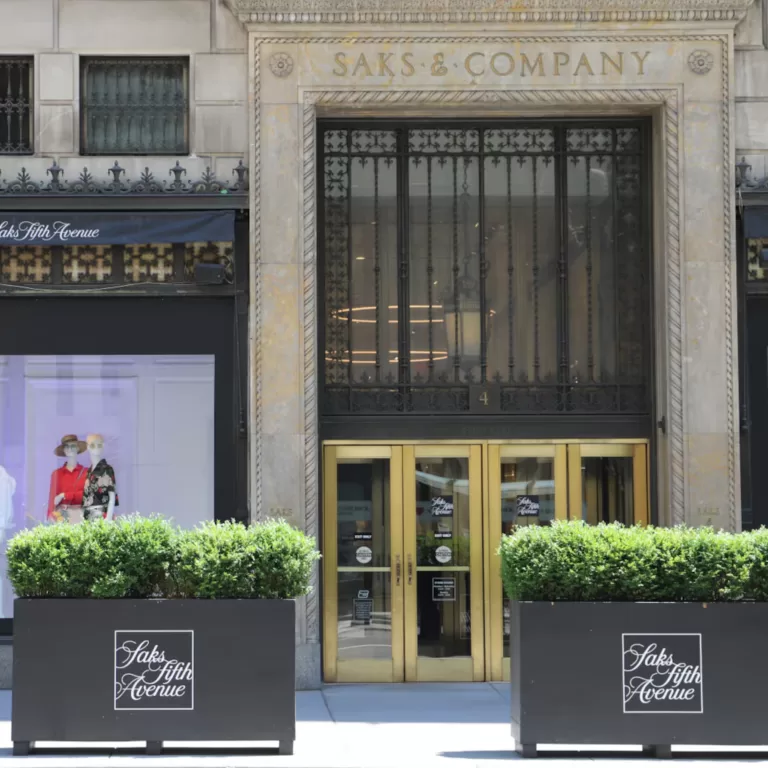
The stress is sharper in luxury retail. The Saks Global bankruptcy came 13 months after the $2.7 billion Neiman Marcus acquisition, financed largely with debt. Nearly 17,000 employees face uncertainty, and fashion houses are waiting on unpaid invoices. In contrast, Prada's acquisition of Versace, closed in December 2025 for an estimated $1.3–1.38 billion, is a bet on bringing a house back under creative, Italian-rooted ownership.
Behind these stories sits a cautious shopper. Our piece on money saving tips for fashion brands notes that US consumer confidence fell close to recent historic lows in late 2025, and it argues that every budget cut is also a statement about brand identity. The future of fashion in 2026 adds tariffs, conscious consumers and fast-moving technology to the mix, and frames adaptation as the central strategy.
- Cost control can protect profit but does not by itself restore desire.
- Debt-heavy expansion is a recurring weak point in the luxury stories.
- The brands that adapt without losing identity are the ones the coverage treats as best placed.
AI, search and the new rules of being found
Three articles describe the same shift from different angles. AI brand visibility explains that in generative search, users see a single synthesized answer instead of ten links. It cites the BoF-McKinsey State of Fashion 2026 finding that over 40% of consumers trust AI-generated recommendations more than traditional advertising. AI visibility in agent-driven commerce goes a step further: shopping agents may soon compare, select and check out on a person's behalf, which means brands must also appeal to systems, not only to people.
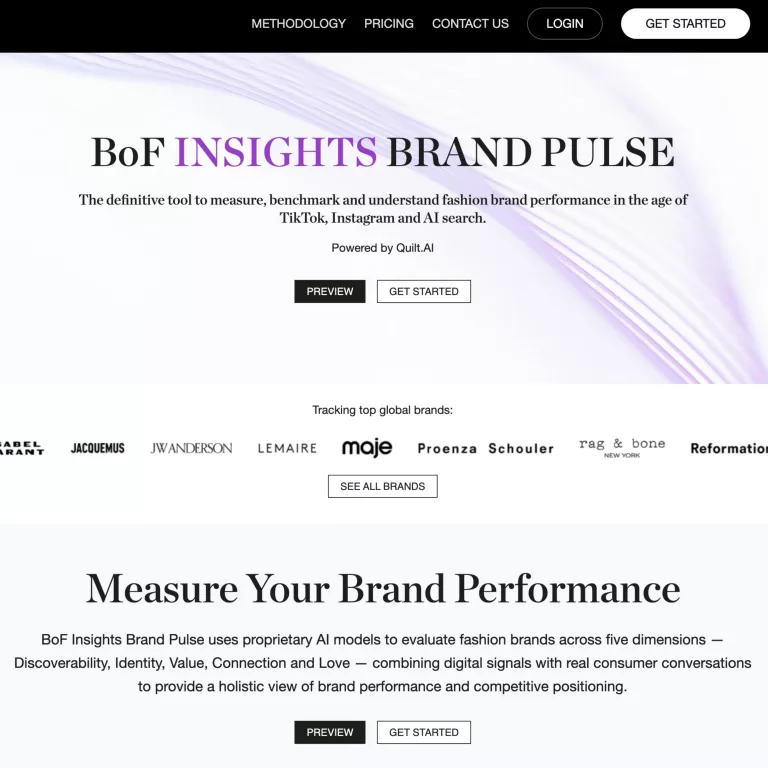
Measurement is changing too. BoF Insights Brand Pulse tracks brand health across TikTok, Instagram, Google Search and AI-driven discovery, and notes TikTok engagement near 5.8%. The point is that attention, search and recommendation now interact, so no single channel tells the whole story.
Visibility alone is not enough. The inverse echo effect describes ideas that audiences adopt as their own words, creating loyalty deeper than recall. Taken together, these pieces suggest that being found by an algorithm and being adopted by a person are two separate jobs.


How consumers are rethinking value
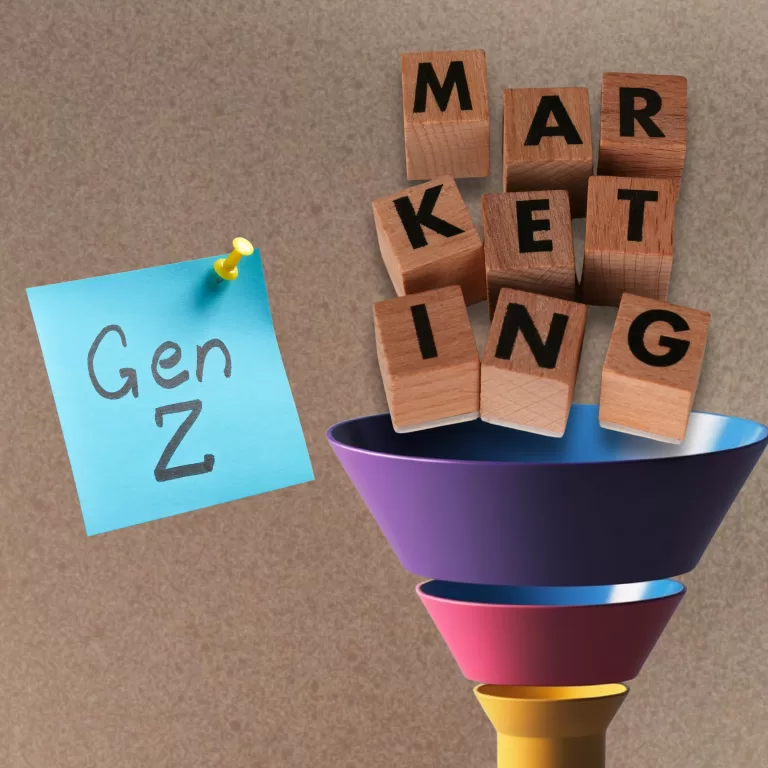
Our coverage of younger shoppers points to meaning over status. How Generation Z broke the marketing funnel reports that 72% of young respondents would rather buy a Walmart Wirkin under $100 than an Hermès Birkin, which suggests luxury is increasingly judged by utility, accessibility and ethical coherence. The Gen Z purchase journey replaces the linear funnel with a loop in which buying expresses identity, belonging and connection.
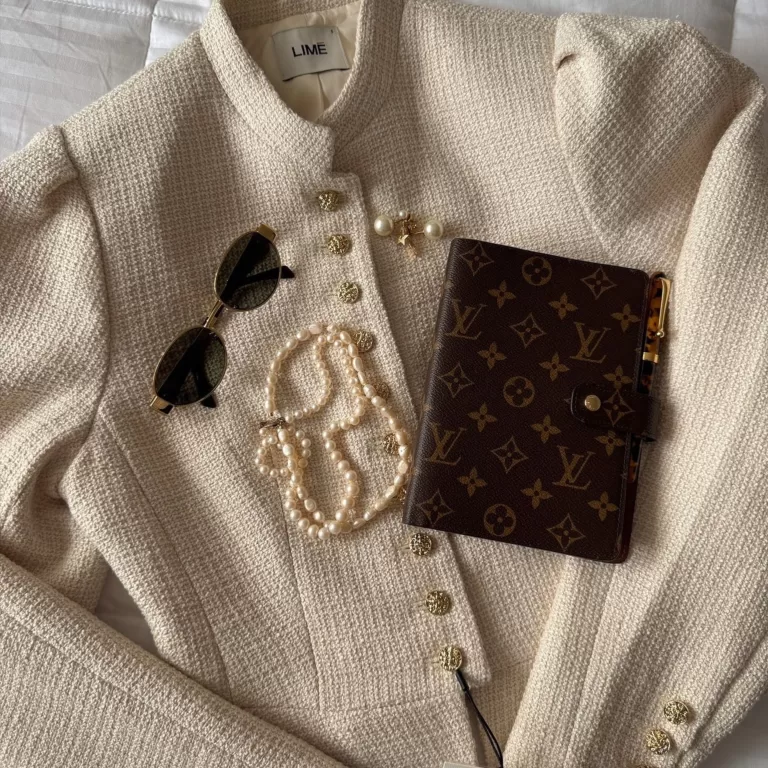
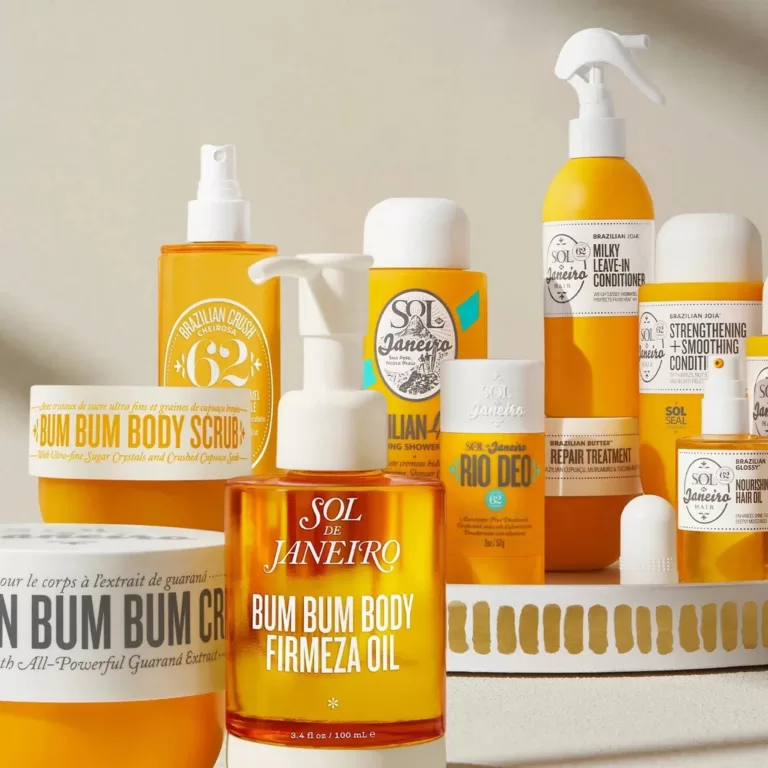
The same instinct shows up in style. Frugal chic 2026 responds to inflation, fast fashion fatigue and visual oversaturation with a simple idea: good taste is born from editing, and looking polished no longer depends on price. Sol de Janeiro, which passed $2 billion in global sales in 2024, shows a different side of the same shift, with a body care brand built around attitude and confidence rather than a single standard of beauty.
For anyone building a business, spotting market gaps offers a useful lesson. The article argues that opportunity often hides in everyday frictions and collective fatigue, not in grand inventions.
Circular fashion and the future of craft
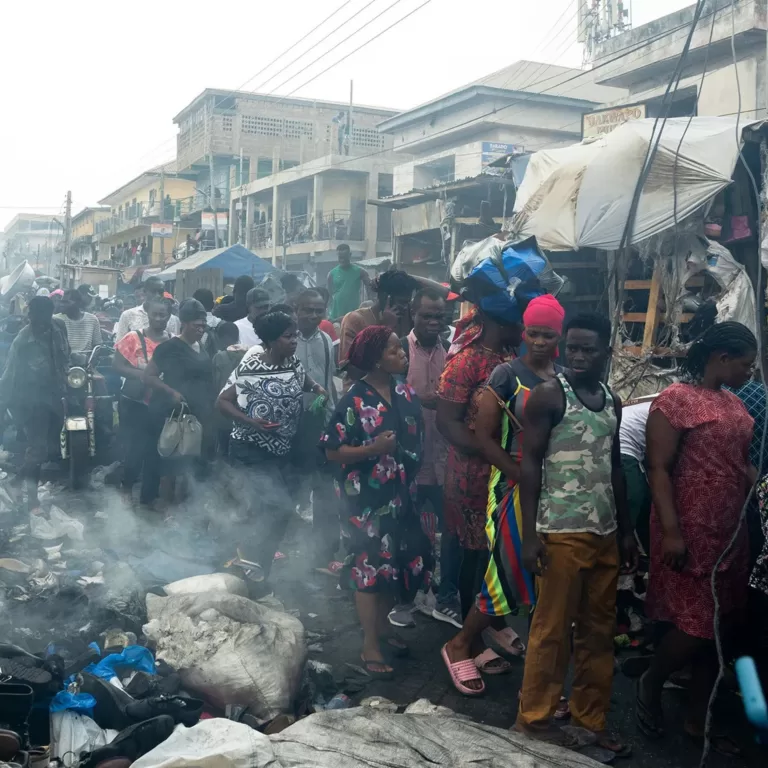
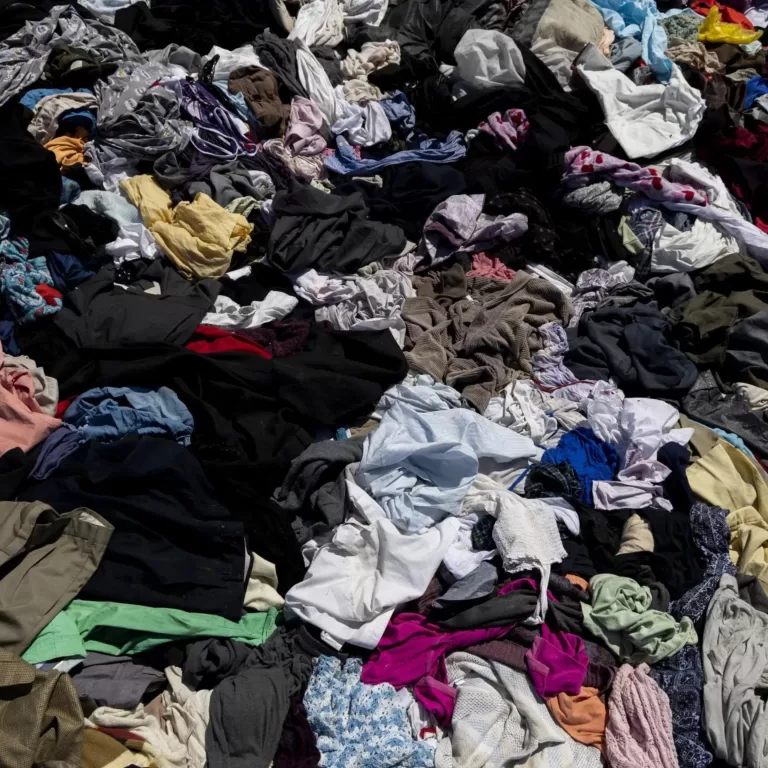
Sustainability appears in this section of the news in three very different forms. Kantamanto Market in Accra is described as a forced circular economy: more than 30,000 traders handle up to 25 million second-hand garments a month, mostly from the US, Europe and Australia. The article frames it as a human response to the Global North's textile waste, not a branded green initiative.
At the industrial end, textile-to-textile recycled polyester covers the Nike and Syre partnership announced in November 2025. Syre chemically recycles used textiles by breaking polyester down into its original monomers, reducing dependence on PET bottles. Nike plans to integrate the material progressively into its core lines.
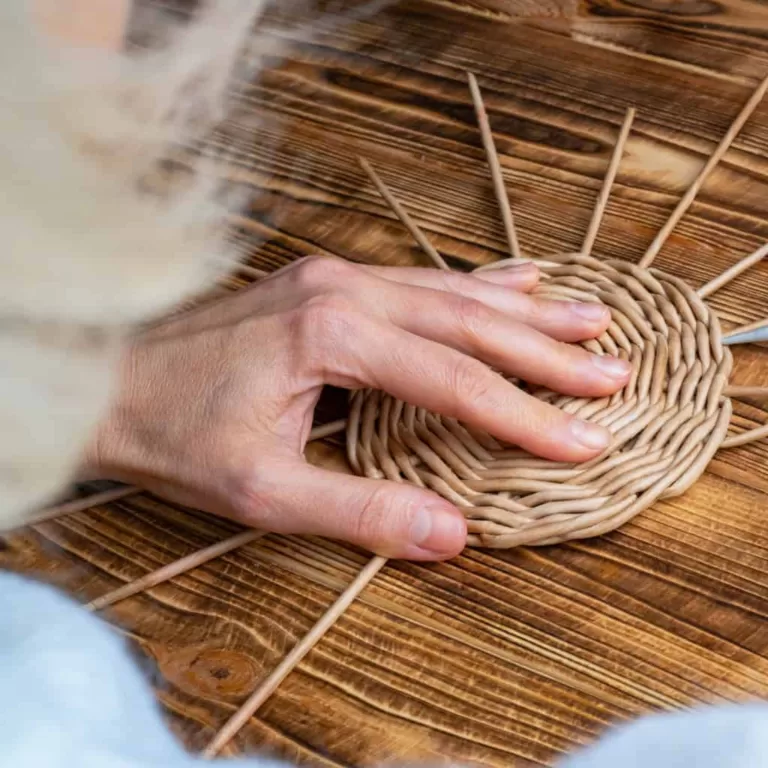
Heritage crafts and global scale asks what growth does to traditional skills. Scaling can bring stability, education and healthcare to artisan communities, but it also raises the question of whether practices built on slowness can survive a system built on speed. Read the three together to see how differently scale, waste and tradition interact.
Culture, style and ritual
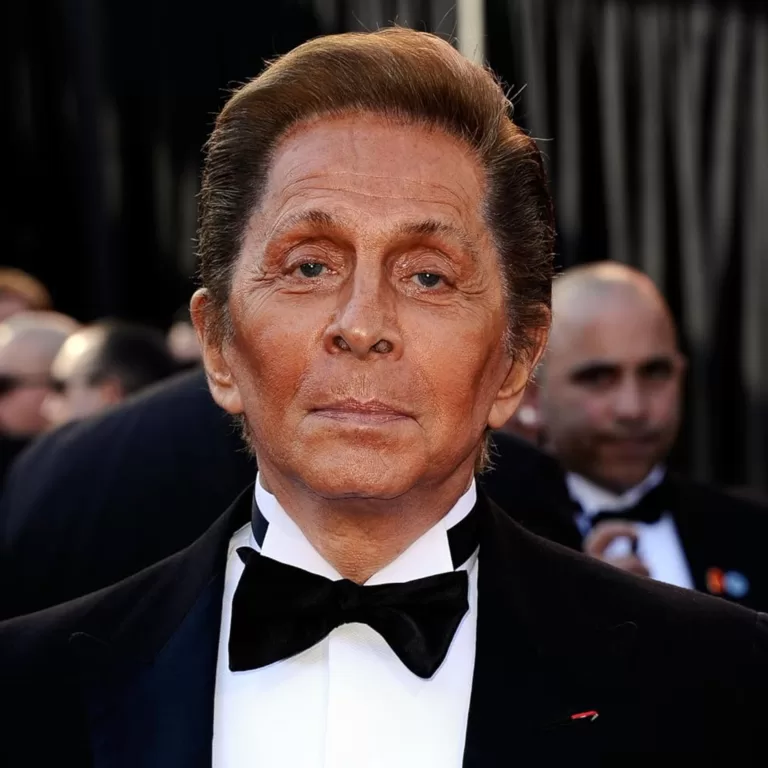
The season's cultural news starts with a farewell. Valentino Garavani died at 93 in Rome on January 19, 2026, and the article remembers a couturier who turned the evening gown into an emotional stage. Ralph Lauren's return to Milan after 22 years brought a different mood, with timelessness presented as a form of resistance in a hyperconnected industry.
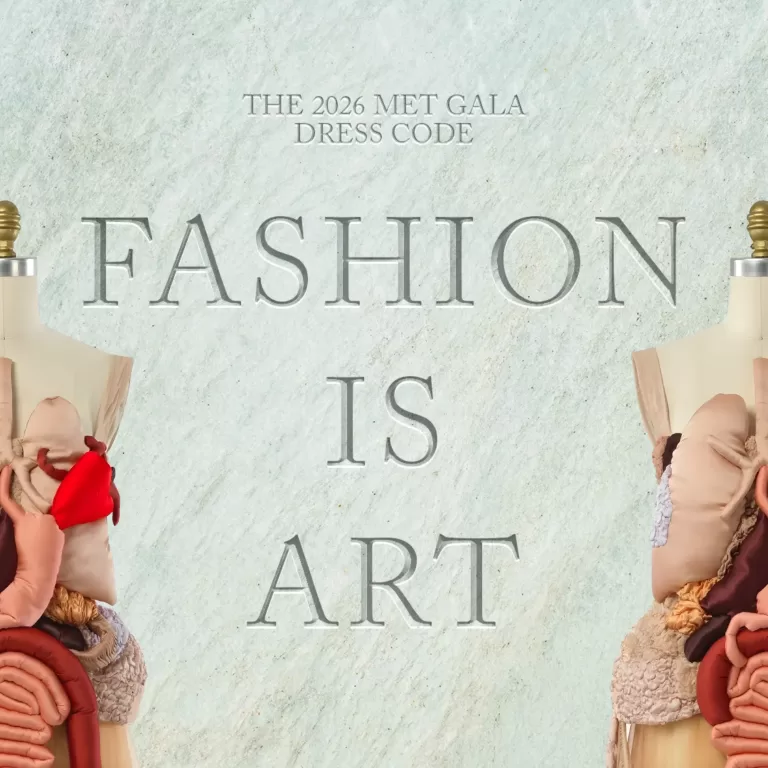
Looking ahead, the Met Gala 2026 theme, "Fashion is Art", asks guests to treat the body as a living canvas across 5,000 years of art history. Screen and design add their own notes: The White Lotus season 4 hotel, the Château de La Messardière in Saint-Tropez, is a palace from the 1890s where luxury drives the drama, and Cloud Dancer, Pantone's 2026 color, offers a soft white as a pause.
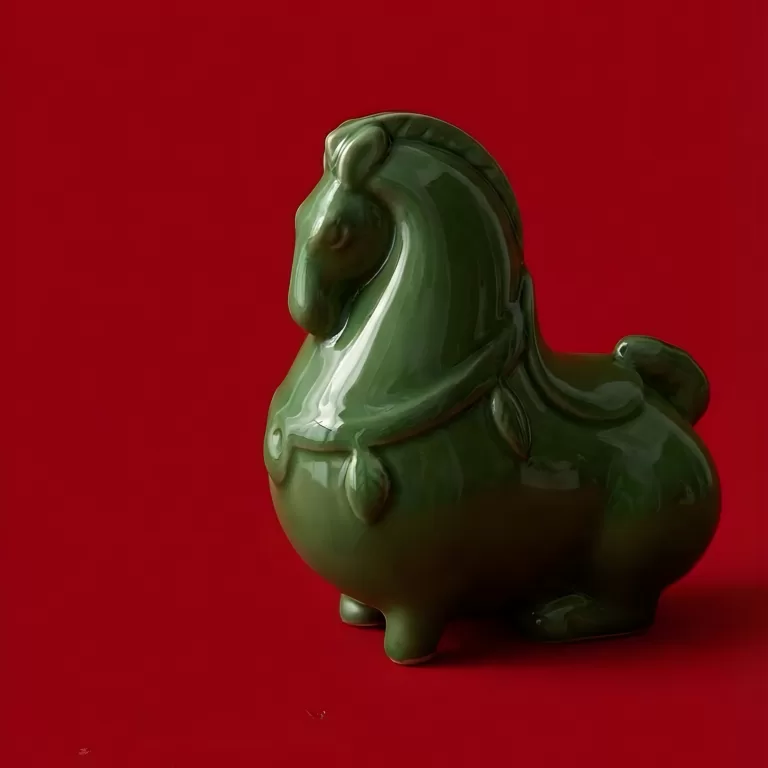
For a personal take on the new year, the Fire Horse New Year ritual uses mint, eucalyptus and thyme as a symbolic reset for the Lunar New Year that began on February 17. Treat it as a mindful routine, not a health treatment. If you plan to work with essential oils and have sensitivities, a health professional can advise you.
Money at home and news that shapes daily life
Several stories look at money at the household level. The economic cost of female silence argues that not discussing salaries, negotiations and assets sustains pay opacity and inequality. The labor crisis in Mexico describes how, even with record formal employment above twenty-two million registered positions in summer 2025, many families feel stability has become intermittent.
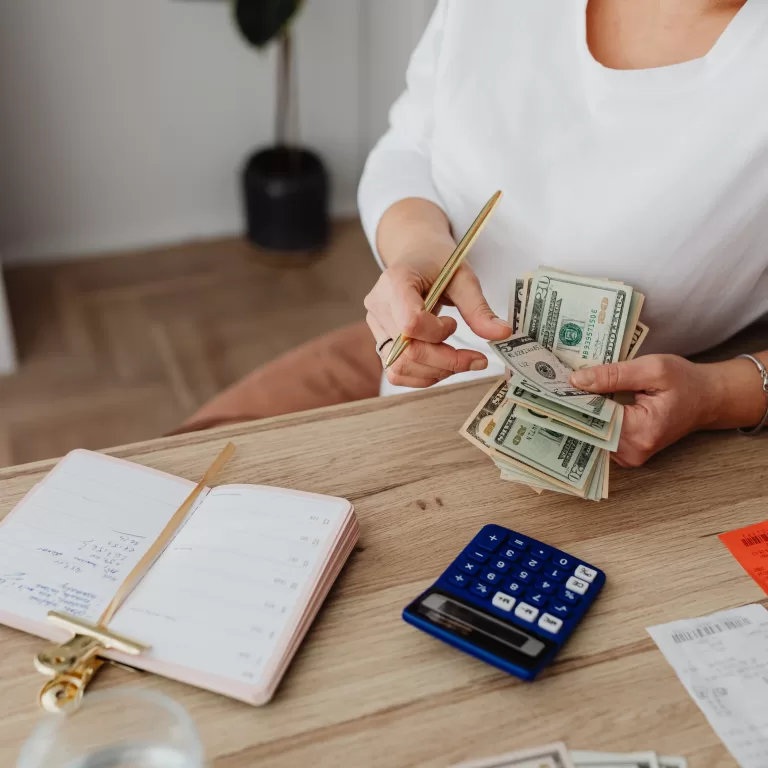
If you want practical tools, building an effective budget for 2026 starts with the 50/30/20 rule: essentials, lifestyle, and savings. Financial control apps pairs expense-tracking tools such as Fintonic, which is focused on the Spanish market, with reliable financial education. These are general guides, and a qualified financial adviser can help with personal decisions.
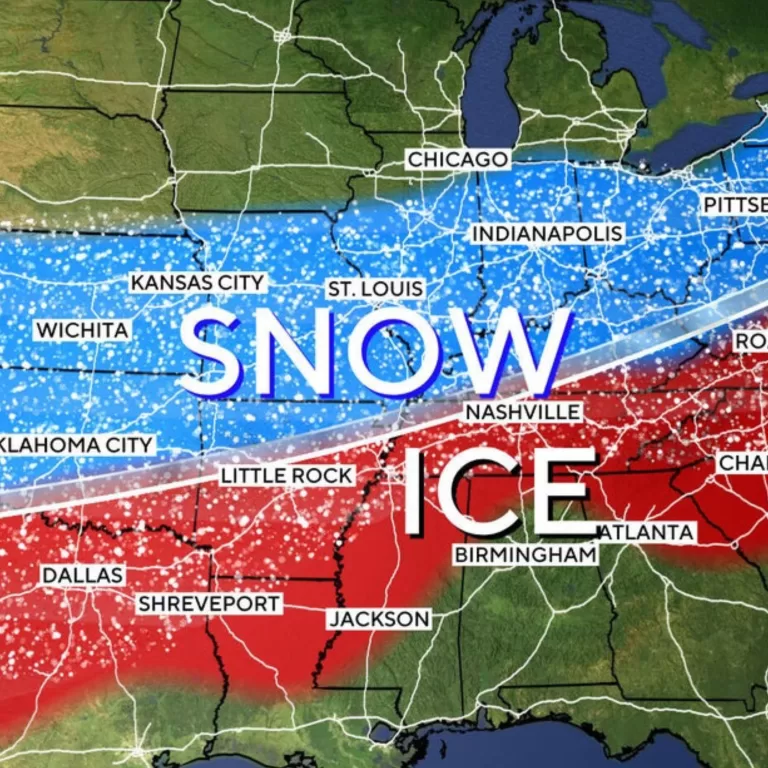
Two larger events complete the picture. The 2026 US winter storm was expected to affect an estimated 240 million people across roughly 40 states, with snow, ice, cold and power outages. And on January 3, President Trump asserted that US forces had captured Nicolás Maduro and Cilia Flores after an operation in Caracas, while Venezuela's government called it an act of aggression and demanded proof. That story rests on an announcement and reports from major outlets, so follow it with care as details develop.
Frequently asked questions
Why is Nike described as being at a crossroads?
According to our coverage, Nike is posting only about 1% year-on-year growth, with roughly $12.4 billion in revenue in its second fiscal quarter of 2026. It is protecting profit through cost control, but faces investor pressure and a sense that its creative energy has faded.
What is AI brand visibility?
It is the challenge of being recognized and recommended by AI systems such as ChatGPT, Gemini and Claude, which give one synthesized answer instead of a list of links. The BoF-McKinsey State of Fashion 2026 is cited as finding that over 40% of consumers trust AI recommendations more than traditional advertising.
What makes Kantamanto Market a circular economy?
Located in Accra, it has more than 30,000 traders who process up to 25 million second-hand garments a month, mainly from the US, Europe and Australia. Discarded clothing becomes raw material for livelihoods and creativity.
What is the 50/30/20 budgeting rule?
It is a simple framework from our budgeting guide: 50% of income for essentials such as housing, utilities, food and transport, 30% for lifestyle spending, and 20% for savings. Adapt it to your own situation, and consider professional advice for complex finances.
How reliable is the report on Maduro's capture?
The account comes from Donald Trump's public announcement, which major outlets reported. Venezuela's government denounced the operation as aggression and demanded proof of the president's whereabouts. Our article separates what is known from what is claimed.