0
No products in the cart.

Why Weekends Feel Shorter: Fatigue, Screens, and Memory

  • Comments: 0
  • Posted by: Andrés David Vargas Quesada

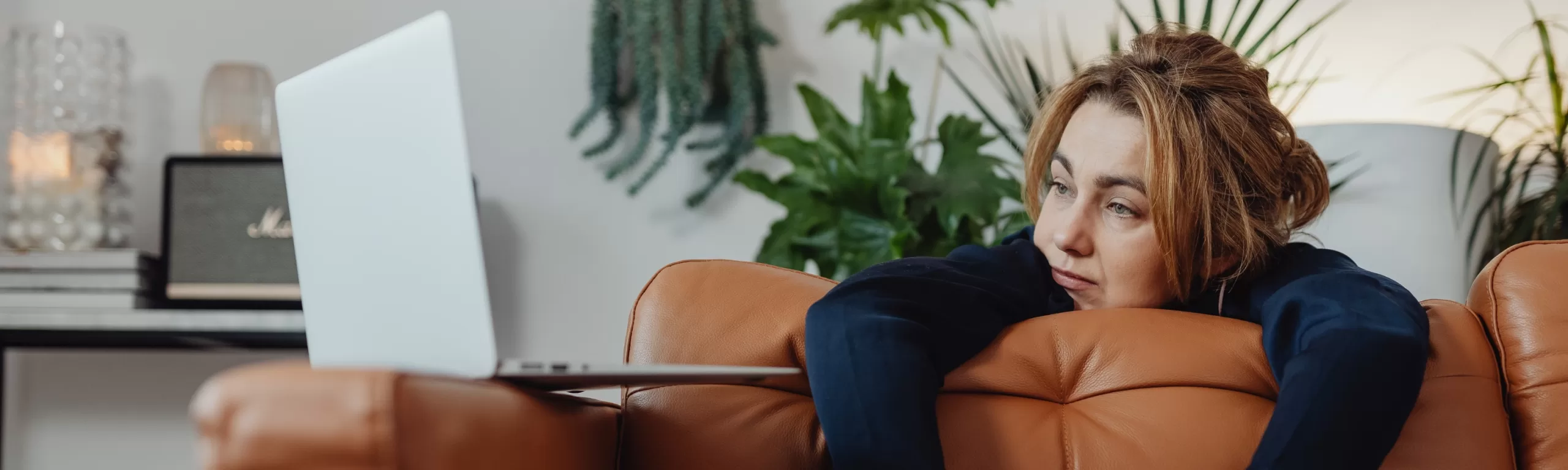
There is a scene that repeats itself every Friday night: the body arrives tired, the mind overloaded, and a silent promise whispers, “now I’ll finally rest.” Yet Sunday comes too soon, leaving behind a strange sense of emptiness and urgency. Why weekends feel shorter has little to do with the clock and everything to do with how the brain processes rest under exhaustion and overstimulation. We work more than we admit, rest less than we believe, and confuse pause with collapse. Between screens, unrealistic expectations of perfect recovery, and guilt over not “making the most” of free time, the weekend becomes a blurred parenthesis. It fails to accumulate memories, generates no deep renewal, and dissolves before it ever feels lived.

Por qué los fines de semana se sienten más cortos

Why Free Time Feels Different

Time is not experienced objectively. Cognitive psychology shows that time perception depends on attention, emotion, and novelty. When we feel stressed, distracted, or overstimulated, time seems to speed up. By contrast, when we experience something new and meaningful, time expands. That is why, when weekends repeat without variation—same bed, same couch, same scroll—the brain registers fewer landmarks. Looking back, Saturday and Sunday compress into one uniform block, devoid of emotional texture. Even though forty-eight hours passed, memory reduces them to a fleeting sensation, almost nonexistent.

The Emotional Anticipation of Monday

This time compression is reinforced by a phenomenon known as anticipatory anxiety. The so-called Sunday Scaries do not begin Sunday night, but much earlier. By midday, the mind is already rehearsing emails, meetings, and pending tasks. This psychological anticipation steals presence from the present moment. The body may still be home, but the mind has already returned to work. The weekend, then, does not end when it ends, but when it stops feeling available. This disconnect between real time and lived time explains why rest often evaporates before Sunday is over.

“Bed Rotting” and the Aesthetics of Collapse

On social media, bed rotting has emerged as a new form of self-care: spending hours in bed, scrolling or watching series, wrapped in an aesthetic of softness and stillness. For an exhausted generation, the image feels comforting. However, clinical psychology research warns that prolonged inactivity used as a default stress response can worsen anxiety and disrupt sleep. The body may stop moving, but the mind remains hyperactive. The bed shifts from refuge to avoidance space, where fatigue is not processed, only numbed.

Everyday Burnout in Latin America

This pattern does not arise in isolation. In Mexico and across much of Latin America, long working hours, economic instability, and a culture that glorifies endurance create fertile ground for emotional burnout. Recent regional reports show that a significant portion of workers experience chronic fatigue, detachment, and reduced effectiveness. In this context, the weekend feels less like rest and more like emergency recovery. The bed becomes a psychological bunker, the only place where defenses can drop. But when rest is built solely on escape, it never truly restores.

Rest That Numbs vs. Rest That Awakens

There is a crucial difference between resting and disconnecting. Prolonged inactivity reduces exposure to factors that improve mood: natural light, movement, human contact, and small challenges. At the same time, it reinforces avoidance patterns that make regaining energy harder. By contrast, time psychology shows that moments involving moderate novelty, emotional engagement, and active participation are remembered more vividly. These memories make the weekend feel longer in hindsight—not because it had more hours, but because it had more life.

How to Make the Weekend Feel Long Again

The solution is not to militarize rest or turn weekends into another productivity checklist. It lies in changing the quality of experience. Alternating stillness with brief, meaningful, and conscious activities produces more well-being than remaining stuck at either extreme. Introducing even minimal novelty creates memory anchors. Gentle movement regulates the nervous system. Protecting screen-free rituals restores presence. Limiting bed time prevents it from becoming confinement. Planning one or two anchors—not full agendas—adds structure without rigidity. In this balance, a form of rest emerges that does not disappear.

Understanding why weekends feel shorter allows us to stop blaming ourselves and start choosing differently. Free time does not vanish; it dissolves when it fails to become experience. By introducing small gestures that awaken the senses and restore presence, the weekend stops being a mirage under the duvet. It becomes, once again, an intimate territory where the body rests, the mind lowers its guard, and life finally feels inhabited.

Author: Andrés David Vargas Quesada