0
No products in the cart.

Vitamin E longevity: what it does, how much you need, and when supplements backfire

  • Comments: 0
  • Posted by: Andrés David Vargas Quesada

Why vitamin E longevity belongs in the modern aging conversation

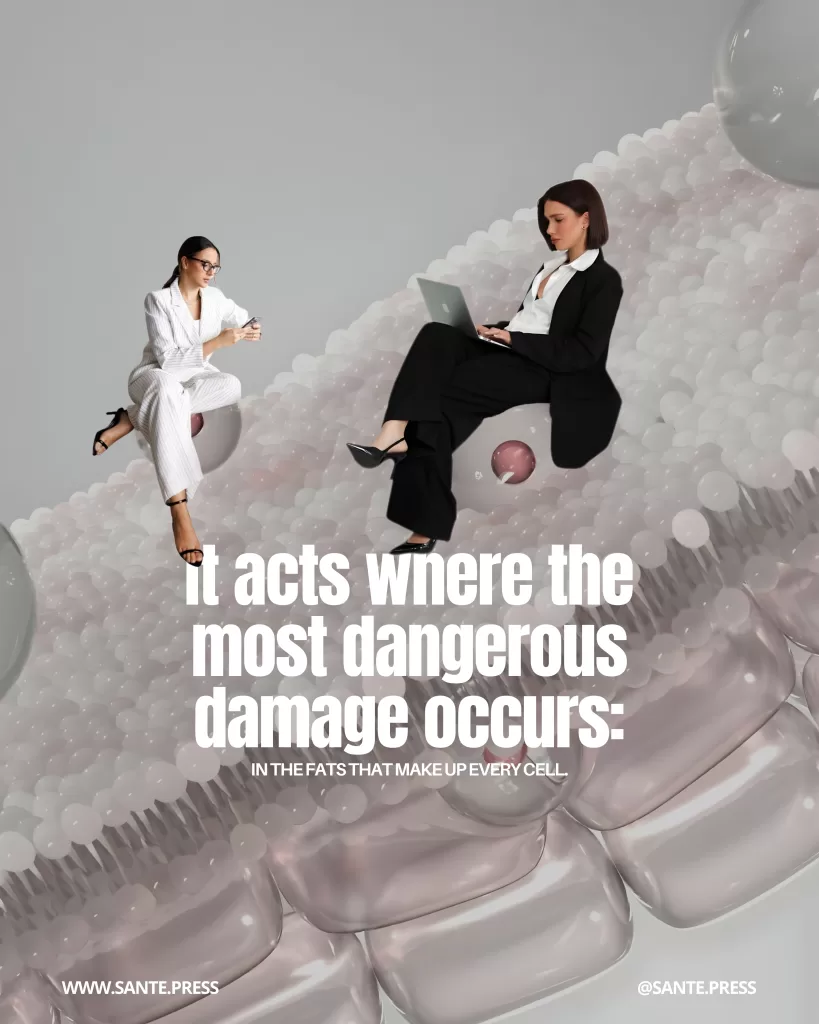
Vitamin E longevity isn’t a trendy label; it’s a practical lens for understanding how cells endure. Vitamin E acts where damage can be most destabilizing: inside lipid-rich membranes. When those membranes oxidize, they lose flexibility and coherence. In contrast, when antioxidant defenses stay in range, the body maintains structure with less friction.

At the same time, vitamin E works best as background maintenance, not as a dramatic shortcut. That distinction matters because modern wellness culture often rewards intensity over consistency. Longevity rarely responds to extremes. Instead, it favors repeatable habits.

vitamina-e-para-longevidad-guia

What vitamin E actually is

Vitamin E is not one compound. It’s a family of eight molecules: four tocopherols and four tocotrienols. In humans, alpha-tocopherol is the most biologically active. Because it is fat-soluble, it integrates naturally into cell membranes and lipid stores—exactly where oxidative chain reactions can do the most harm.

In simple terms, vitamin E helps interrupt lipid oxidation. That means it can reduce the cascade that compromises membrane integrity. Therefore, its role is structural before it is cosmetic.

Skin: where protection becomes visible

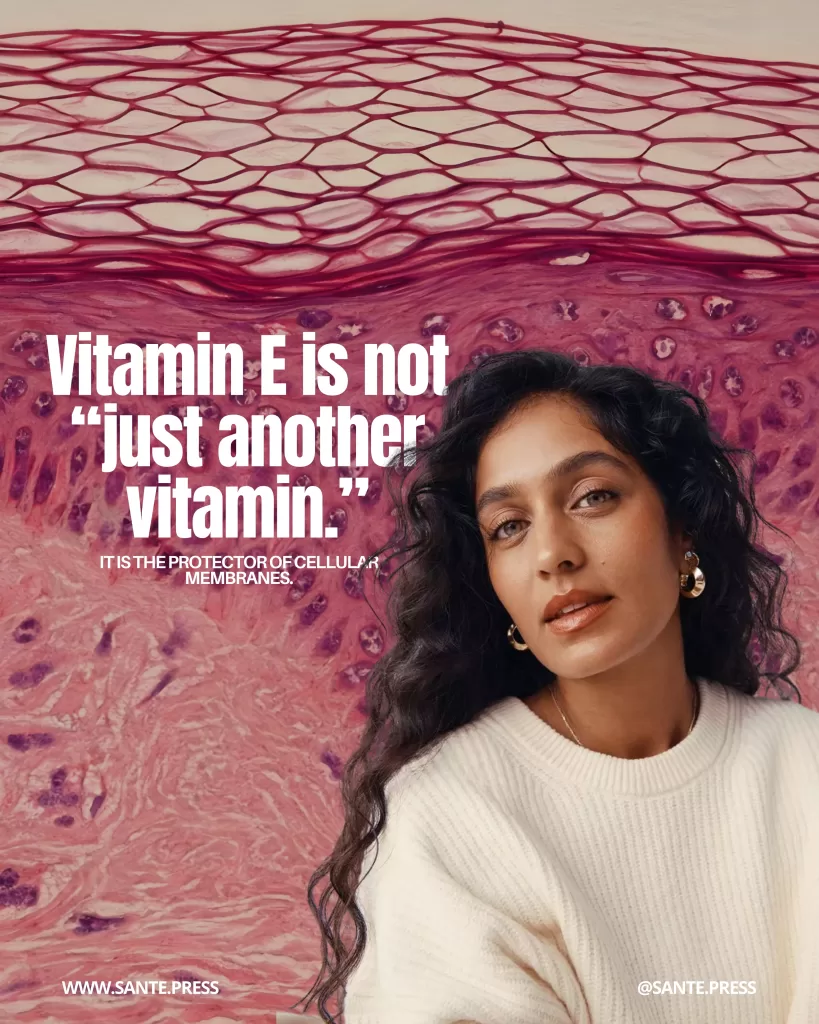
Skin is constantly exposed to UV radiation, pollution, and environmental stressors. Vitamin E accumulates in sebum and the upper layers of the epidermis, where it can neutralize free radicals created by those exposures. As a result, it helps reduce lipid peroxidation and supports barrier stability.

However, it’s important to keep expectations realistic. Vitamin E doesn’t erase wrinkles on its own. Instead, within a broader strategy, it can support barrier function, calm oxidative stress, and help the skin recover more comfortably. Moreover, vitamin E is often discussed alongside vitamin C because the two antioxidants can complement each other in topical formulations and photoprotection approaches.

Beyond skincare: heart, brain, and immune resilience

Calling vitamin E a “skin vitamin” misses its systemic relevance. Cardiovascularly, vitamin E’s antioxidant role relates to protecting lipid particles from oxidative damage. Still, large trials on high-dose supplementation show mixed results, which is why most evidence-based guidance emphasizes diet first.

Neurologically, vitamin E is studied for protecting neuronal membranes and synaptic structures from oxidative stress—an issue that becomes more important as the brain ages. It is not a cure for cognitive disease. Nevertheless, adequate intake can fit into a larger framework that includes sleep, movement, and a plant-forward diet.

Immune cells also rely on functional membranes and well-regulated signaling. Therefore, maintaining sufficient vitamin E supports immune competence, particularly in more vulnerable life stages.

Where to get vitamin E longevity from food

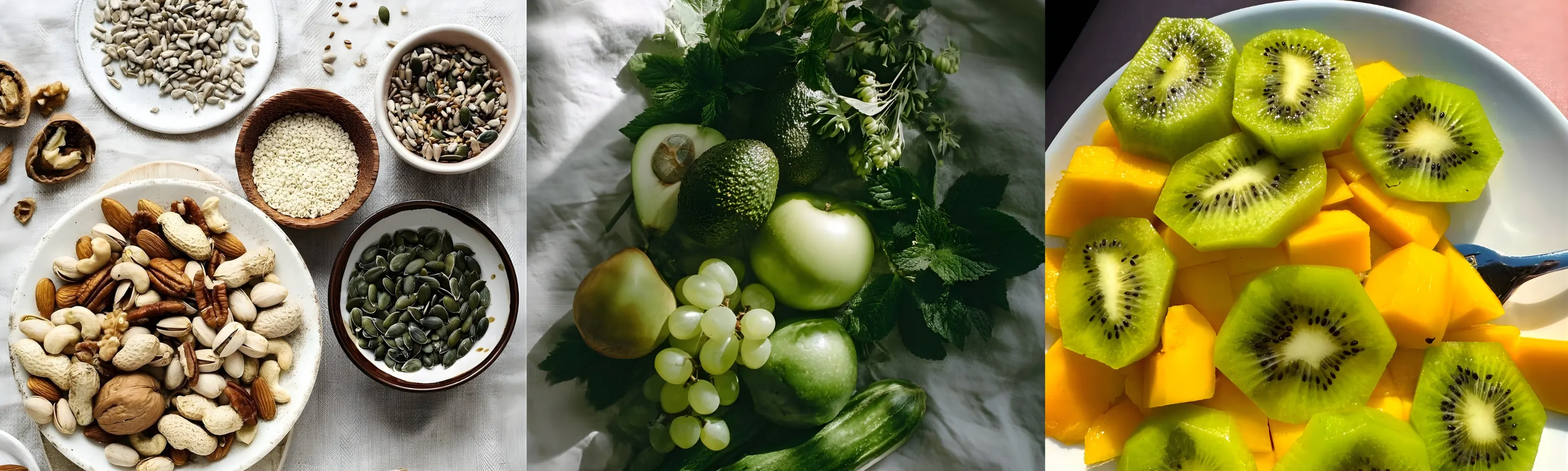
The most reliable sources are everyday foods, not glossy capsules:

  • Vegetable oils (such as wheat germ or sunflower oil)
  • Nuts and seeds (almonds, sunflower seeds)
  • Leafy greens (spinach, chard, kale), especially when paired with oil
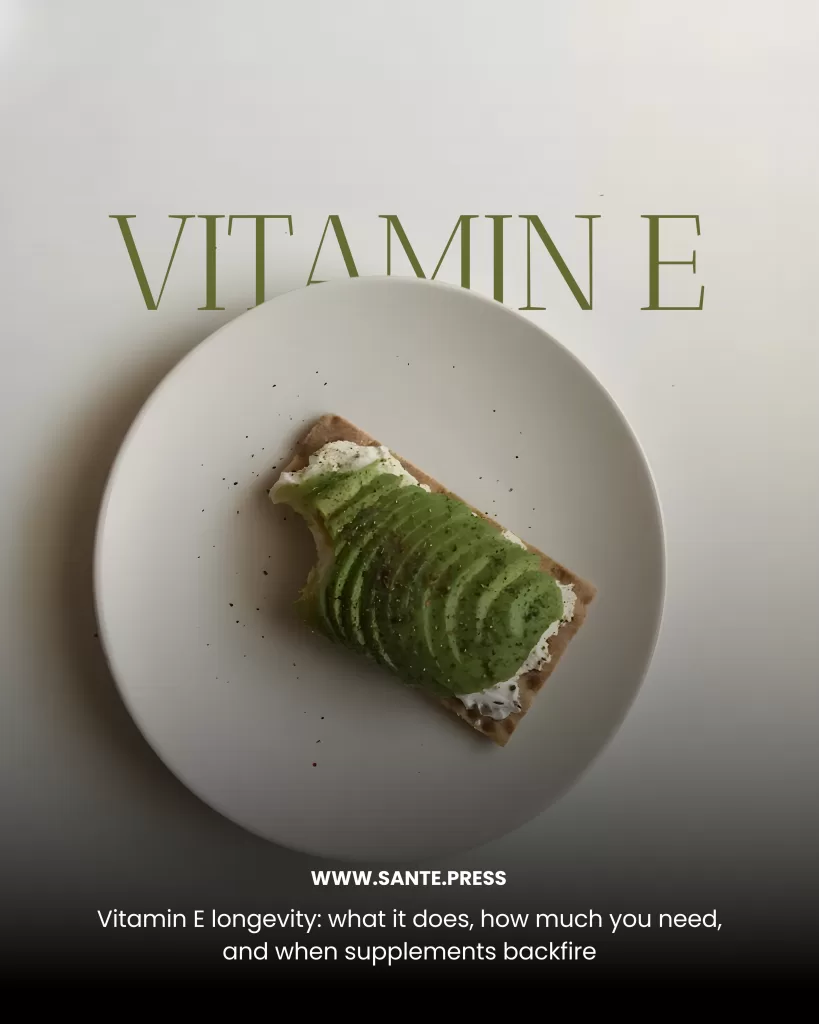
  • Avocado, which adds healthy fats that support absorption

Because vitamin E is fat-soluble, absorption improves with dietary fats. In other words, a salad with olive oil plus almonds often “works” better than a supplement taken on an empty stomach.

Daily intake: the value of steady, not extreme

Reference guidelines commonly cite 15 mg/day of alpha-tocopherol for adults. That number is designed for adequacy, not hype. Consequently, most people can meet needs through diet. Supplements may be appropriate in specific cases, but they should not be treated as a universal anti-aging shortcut.

Supplements: where benefits can turn into risk

Here’s the part marketing often softens: high-dose vitamin E supplementation hasn’t shown consistent broad benefits for the general population in hard clinical outcomes. Moreover, excessive intake may influence coagulation and raise bleeding risk, especially when combined with anticoagulant or antiplatelet medications.

Therefore, vitamin E longevity is a balance story. More is not automatically better. Toxicity concerns typically involve chronic high-dose supplementation, not food-based intake. Still, unusual bruising or bleeding should never be ignored if supplements are in play.

Deficiency: uncommon, but clinically meaningful

True vitamin E deficiency is rare in healthy individuals. It tends to occur with fat malabsorption disorders or specific medical conditions. In those scenarios, supplementation should be clinically guided. Self-diagnosis, in contrast, often creates more confusion than clarity.

A more honest beauty narrative

Aging well isn’t about freezing time. It’s about maintaining structure. Vitamin E fits that narrative because it supports membrane integrity, helps manage oxidative stress, and contributes to resilience across skin, brain, and immune function.

Moreover, its most compelling message is quiet: consistency over spectacle. That, in modern wellness culture, is its real sophistication.

Vitamin E longevity is best understood as structural protection, not a miracle claim. It supports cellular membranes, helps manage oxidative stress, and contributes to resilience in skin, brain, and cardiovascular health. However, its strongest evidence aligns with food-based intake and steady adequacy. When supplementation becomes excessive, benefits can blur into risk. In longevity, what you can sustain usually wins.

Author: Andrés David Vargas Quesada