0
No products in the cart.

Textile-to-textile recycled polyester: Nike and Syre reshape fashion

  • Comments: 0
  • Posted by: Andrés David Vargas Quesada

A turning point for sustainable fashion

Textile-to-textile recycled polyester is redefining sustainability in the fashion industry. Unlike earlier approaches that relied heavily on recycled plastic bottles, this model introduces true circularity: used garments becoming new textile fibers. Within this shift, the partnership between Nike and Syre, announced in November 2025, stands as a global milestone.

More than a supply agreement, it signals a strategic commitment. Nike plans to progressively integrate this material into its core product lines, setting a new benchmark for synthetic materials.

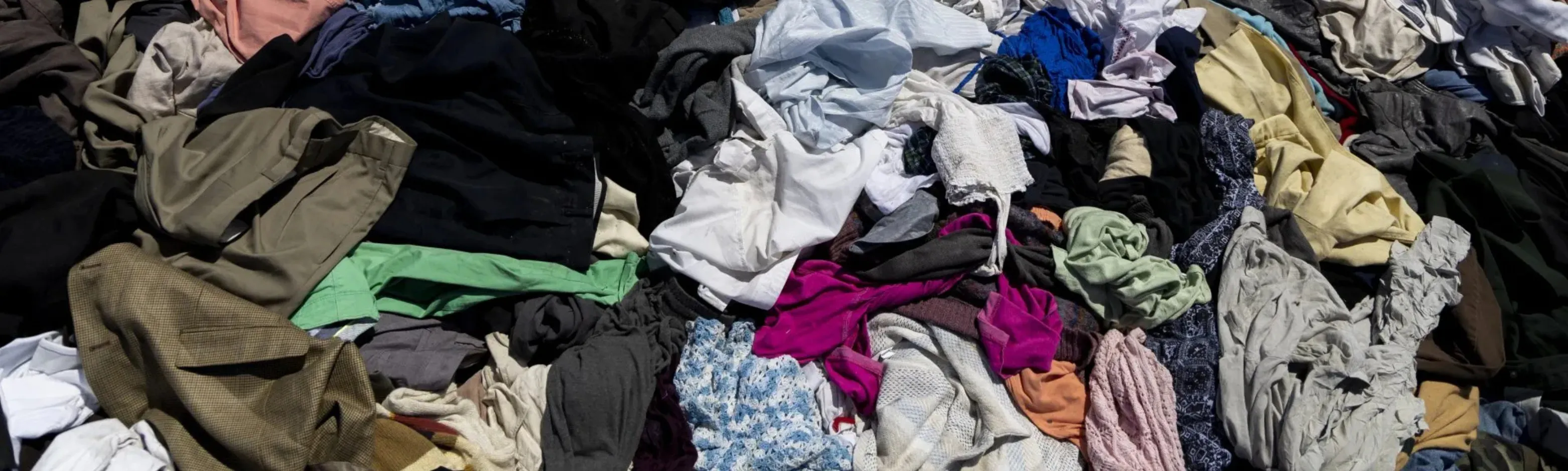
poliester-reciclado-textil-moda

The rise of textile circularity

Syre’s breakthrough lies in its ability to chemically recycle used textiles through depolymerization. This process breaks polyester down into its original monomers—terephthalic acid and ethylene glycol—which are then reused to create new, high-quality fibers.

By eliminating dependence on PET bottles, textile-to-textile recycled polyester finally closes the loop, allowing garments to become garments again without sacrificing performance or durability.

Strategic impact of the Nike–Syre partnership

For Nike, one of the world’s most influential brands, this partnership represents a fundamental shift in sourcing and material strategy. The first products using this technology are expected to reach consumers in the coming years as part of a phased rollout.

Rather than a symbolic capsule collection, the goal is systemic change. The multi-year agreement positions Syre as a strategic supplier capable of delivering scale, consistency, and traceability.

Vietnam as the future recycling hub

The industrial backbone of this transformation will be Syre’s upcoming gigafactory in Vietnam. Construction is expected to begin in 2027, with full operations by late 2029. With a projected capacity of up to 250,000 tons annually, the facility will rank among the largest textile recyclers globally.

Valued at over $1 billion, the project positions Vietnam at the center of the global textile recycling supply chain, driving green transition, skilled employment, and technological leadership.

An emotional shift in fashion

Textile-to-textile recycled polyester is not only a technical innovation; it reshapes how consumers relate to clothing. Imagining a favorite garment reborn rather than discarded transforms fashion from disposable to regenerative.

Long criticized for waste, the industry now has the opportunity to tell a different story—one of responsibility, innovation, and continuity.

Key data and future outlook

AspectDetail
Nike–Syre AgreementMulti-year, with progressive integration into Nike products
Syre Vietnam Plant CapacityUp to 250,000 tons/year, operational by late 2029
TechnologyChemical depolymerization, capable of processing mixed textiles
Environmental ImpactDrastic reduction of waste and dependence on petroleum
Sector Outlook 20308 million tons/year recycled, compared to less than 1 million today

Textile-to-textile recycled polyester signals a new era for fashion sustainability. Through the Nike–Syre alliance, circularity moves from concept to industrial reality, redefining the relationship between materials, brands, and the planet.

Author: Andrés David Vargas Quesada