0
No products in the cart.

Saks Global bankruptcy: luxury retail shaken after Neiman Marcus deal

  • Comments: 0
  • Posted by: Andrés David Vargas Quesada

A luxury giant on the brink

At the heart of American luxury retail, a titan is faltering. The Saks Global bankruptcy, filed just 13 months after its acquisition of Neiman Marcus, is more than a financial restructuring. It is a distress signal reverberating across the luxury wholesale industry, long sustained by debt-heavy expansion and outdated models.

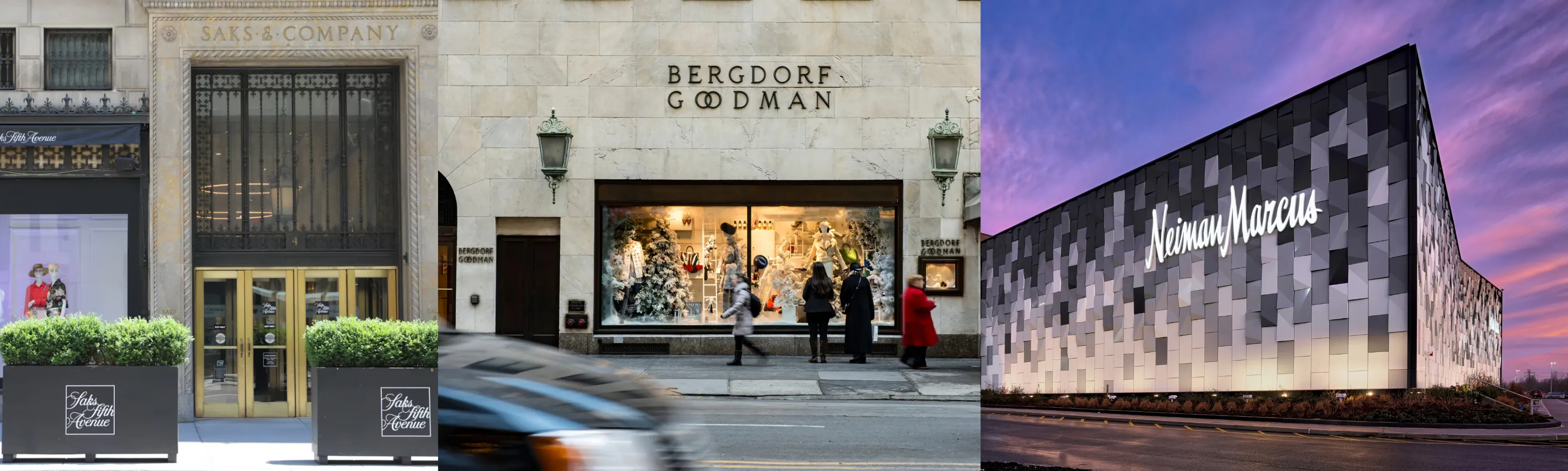
The human cost is immediate. Nearly 17,000 employees face uncertainty as the group that controls Saks Fifth Avenue and Bergdorf Goodman struggles to stay afloat. Meanwhile, iconic fashion houses wait for unpaid invoices totaling hundreds of millions of dollars.

quiebra-saks-global-lujo

An acquisition that hastened collapse

Saks Global completed the $2.7 billion acquisition of Neiman Marcus on December 23, 2024, largely financed through debt. The deal included $2.2 billion in senior notes, a $1.8 billion ABL facility, and $275 million in seller financing, backed by investors such as Amazon and Salesforce.

Optimism faded quickly. On January 14, 2026, the company filed for Chapter 11 protection in Texas, listing assets and liabilities between $1 billion and $10 billion. Secured debt totaled $3.4 billion, compounded by missed interest payments and a severe cash flow deficit.

Debt that freezes the luxury supply chain

The bankruptcy filing names between 10,000 and 25,000 creditors. Among the most exposed are luxury powerhouses that once anchored the wholesale model. Chanel tops the list, followed by Kering, Capri Holdings, and LVMH.

As shipments were halted, shelves emptied, accelerating a vicious cycle of declining sales and liquidity. Luxury, once abundant, became scarce within its own temples.

Emergency financing to stay alive

To survive, Saks Global secured $1.75 billion in debtor-in-possession financing. An initial $1 billion was made available immediately to cover payroll, suppliers, and essential operations. An additional $500 million is planned post-restructuring to stabilize merchandise flow.

Court approval was sought to continue paying wages and benefits, allowing approximately 125 stores to remain open across more than 13 million square feet of premium retail space.

Operations under pressure

The group employs roughly 16,830 people, most in full-time roles, and operates around 70 full-line luxury stores alongside off-price formats. Still, management is assessing a reduced real estate footprint, including potential asset sales valued at up to $7 billion.

The future of Saks OFF 5TH and its e-commerce operations remains uncertain, with divestment or orderly liquidation under consideration as the company refocuses on physical retail.

A warning for luxury wholesale

The Saks Global bankruptcy highlights a harsh reality: capital-intensive luxury department stores are struggling in a market dominated by direct-to-consumer strategies, brand-owned e-commerce, and a booming resale sector. Between 2019 and 2025, wholesale’s share of luxury sales fell sharply.

Size and prestige no longer guarantee survival. Saks’ downfall raises a critical question about whether traditional luxury department stores can endure without radical reinvention.

The Saks Global bankruptcy is not an isolated failure but a symptom of deep structural change in global luxury retail. Burdened by debt and challenged by shifting consumer behavior, the industry now faces a reckoning. What happens next may redefine the future of luxury retail as we know it.

Author: Andrés David Vargas Quesada