0
No products in the cart.

Restart reading habit: 5 short books to return to yourself

  • Comments: 0
  • Posted by: Andrés David Vargas Quesada

If you’ve been away from books for a while, coming back can feel oddly hard. The mind is busy, the day is loud, and attention is stretched thin. Restart reading habit doesn’t need a dramatic plan, though. Instead, it often starts with something small: ten quiet minutes and a book that doesn’t demand too much energy.

Reading is linked to stress relief and calmer focus in many popular health summaries. Therefore, a short session can feel like a gentle reset rather than another task on your list. At the same time, you don’t need a huge novel to get that benefit. In fact, a compact book can be the perfect doorway back.

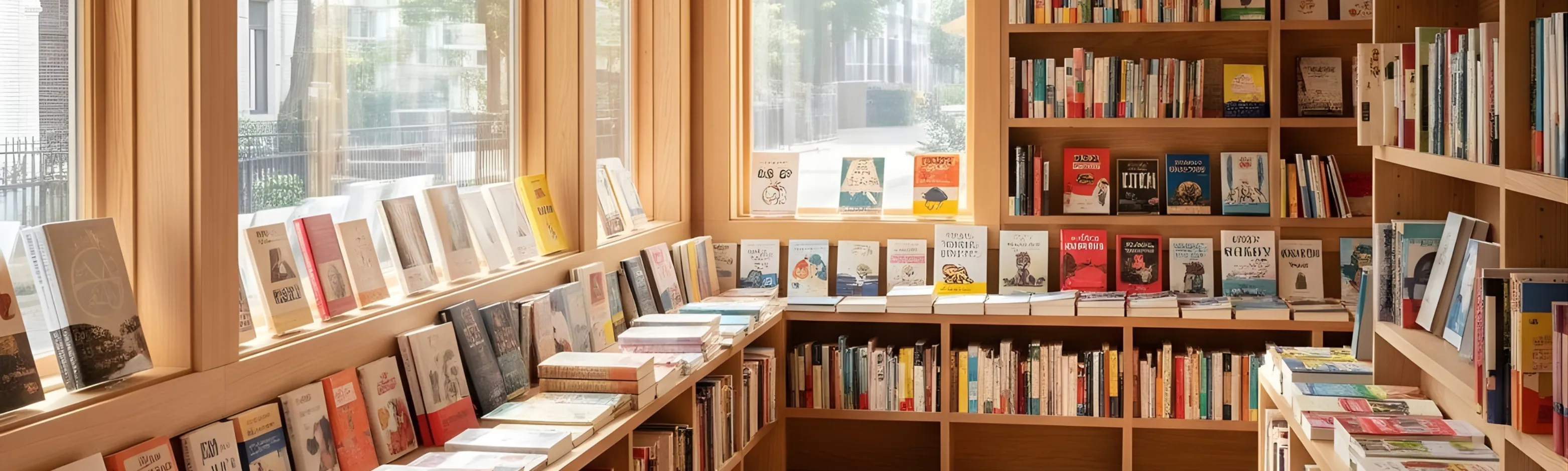
retomar-lectura-libros-breves

Why short books work when you’re tired

Short books reduce pressure. For example, you can finish a chapter in one sitting and still feel progress. Moreover, many brief titles use fragments, notes, or letters. That structure makes it easy to pause and return without losing the thread.

In contrast, long novels can feel like a mountain when your attention is shaky. As a result, you may quit early and feel worse. A shorter format avoids that trap and helps you rebuild confidence, page by page.

Nadie me esperaba aquí (Noelia Ramírez)

This compact essay—published in Anagrama’s Nuevos Cuadernos line—reflects on class mobility, “not belonging,” and the emotional cost of crossing invisible cultural borders. At around 144 pages, it reads like a sequence of intimate notes that hold a single tension: what you gain through ascent, and what you quietly mourn along the way.

For readers trying to restart reading habit, the form matters. The fragmentary structure allows pauses without losing the emotional thread. The tone—part journalistic clarity, part confession—feels like an intelligent conversation rather than a theory lecture.

Why it works

Because it transforms shame into language, and language into a kind of dignity.

Gente sin paz (Urraca, Balbuena, Saldaña París)

An epistolary nonfiction book published by Almadía, it unfolds through letters about mental health, compulsions, addiction, and the exhaustion of starting over. The format creates a powerful illusion: you are overhearing a private exchange—raw, human, and strangely comforting.

To restart reading habit, that intimacy is a shortcut. One letter today, one tomorrow. No sermons. No quick fixes. Just voices that refuse to simplify the mess.

What it offers

Company without clichés—and questions left open on purpose.

Mi libro de los muertos (My Dead Book, Nate Lippens)

A short, spectral novel that blends diary, memory, and elegy: a survivor visited by the ghosts of friends who died too soon. The writing often feels like individual vignettes—dense, precise, and emotionally resonant.

For those who want to restart reading habit, the book’s brevity reduces intimidation while increasing impact. It speaks to grief and survivor’s guilt in a way that lingers—quietly, insistently.

Why it stays

Because it does not rush closure; it honors the echo.

La prueba de audición (Eliza Barry Callahan)

Callahan’s debut begins with immediate stakes: a young artist wakes up with sudden hearing loss and a relentless internal roar. Medicine cannot fully explain it, so the narrator turns to writing as a way to pin reality down.

This is ideal if you need to restart reading habit while exhausted. The story does not take time to “get going.” It enters the body from page one and asks what happens to meaning when perception changes.

What it touches

Modern fear of breaking without a clear diagnosis—and the need to invent language for it.

A Matter of Appearance (Emily Wells)

Emily Wells’ 2023 memoir explores chronic illness at the intersection of pain, language, and gender. It traces the experience of being dismissed—too composed to be believed, too distressed to be trusted—while weaving in cultural history and the legacy of “hysteria.”

To restart reading habit, this book is expansive without becoming heavy. It is structured in digestible sections, grounded in lived experience, and intellectually sharp. It offers something rare: personal justice turned into shared language.

Why it helps

Because it turns “I wasn’t believed” into a collective question, not a private wound.

Reading as a soft ritual

Sustainable change rarely begins with grand gestures. It begins with small acts repeated. Five to ten minutes a day can matter more than occasional marathons—especially when the material resonates emotionally. Instead of page goals and monthly targets, the ritual is simpler: sit down, open a short book, and let a voice speak to you without multitasking.

To restart reading habit is to return without theatrics—but with depth. A small door that brings you back not only to books, but to yourself.

These five titles function like thresholds. They don’t promise rescue; they offer companionship. Their short length lowers friction, their voices feel personal rather than performative, and their themes meet contemporary life where it actually hurts. If you’re trying to restart reading habit, the path is not discipline—it’s selection. The right short book, repeated in a small routine, can rebuild the inner room where reading lives.

Author: Andrés David Vargas Quesada