0
No products in the cart.

Modern luxury marketing and the fatigue of ‘Always On’

  • Comments: 0
  • Posted by: Andrés David Vargas Quesada

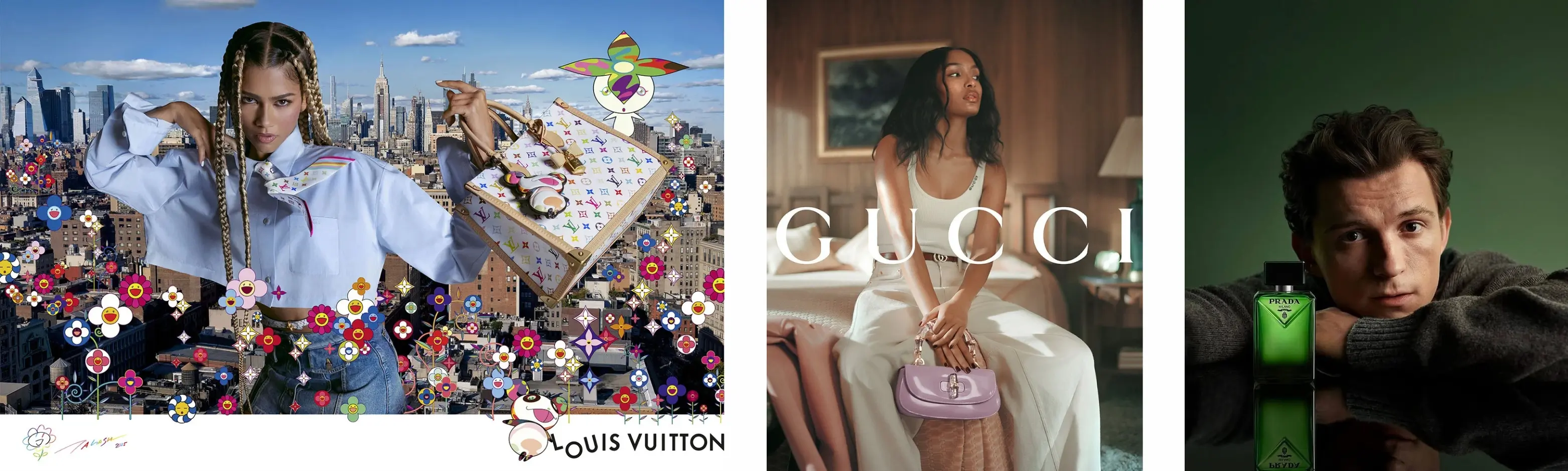
In a world that never stops moving, even the most iconic brands feel the vertigo of immediacy. Modern luxury marketing has become a stage where the pursuit of constant relevance drives every decision. However, this pressure spills over into a silent consumer fatigue, much like the exhaustion we feel when we try to be available for everything and everyone. Endless collaborations and short-lived partnerships weaken the depth of narrative. Luxury loses its essence when it becomes ubiquitous. Saturation not only erodes exclusivity; it also weakens the emotional connection that once defined these houses. Within this endless echo of stimuli, an urgent need emerges for a strategic pause that restores meaning, stillness, and perspective.

Marketing de lujo moderno y el desgaste del ‘Always On’

The fatigue of ‘Always On’ and the loss of identity

Today’s marketing rhythm mirrors our own cycles of emotional overexposure—those moments when being “always available” wears us down. In modern luxury marketing, something similar occurs: too much presence creates an absence of meaning. Celebrity tie-ins, fleeting capsules, and rapid-fire appearances seem to promise impact, yet they ultimately saturate the collective gaze. Brands that once evoked desire now feel interchangeable, as if they all inhabit the same depthless mirror. This overexposure also reduces the symbolic power of their icons, which lose emotional and sensorial weight when repeated without intention. This dynamic creates a constant noise that undermines the original promise of luxury: offering a world of its own. For this reason, many houses are questioning whether omnipresence truly adds value or simply erodes it.

Creative clarity as an act of resistance

Amid this saturated landscape, some brands choose a different path: strategic introspection. In modern luxury marketing, creative clarity becomes a form of resistance. These brands commit to narratives that don’t shout but breathe, constructing worlds that feel intentional and self-aware. They embrace their identity without fear of standing apart, because they understand that distinction is born from restraint. Instead of chasing virality, they pursue emotional resonance and aesthetic coherence. This gesture echoes what happens when someone chooses less but with greater intention. It is an act of inner refinement that restores power to the message and dignity to the image. The pause stops being a weakness and becomes strategy. And within that silence, the brand recognizes itself again.

Younger consumers seek depth, not spectacle

Younger generations grow up surrounded by digital noise that normalizes overexposure. That is why they seek brands capable of breaking through the saturation with human, honest, and emotionally grounded stories. In modern luxury marketing, authenticity is no longer an accessory but a structure. Recent studies show that consumers value transparency, coherence, and emotional relevance above quick fame. Even heritage brands must acknowledge this shift, because desire today is shaped not only by aspiration but also by identification. Younger audiences want narratives aligned with their values and everyday experiences. And they want luxury to feel alive—not performative. Depth becomes the true differentiator in an oversaturated market.

Reconnecting with essence to inspire again

Returning to origin is both an intellectual and emotional decision. In modern luxury marketing, this return means questioning the obsession with visibility and embracing a slower, more coherent, and more honest narrative. Brands that choose this path recover something far more valuable than attention: they recover trust. They also build a personal, intentional space where identity can breathe and where consumers feel part of a meaningful world. This recalibration redefines luxury through intention, not volume. And in a saturated market, that intention becomes the most powerful form of distinction. Sometimes, the boldest strategy is simply returning to what matters.

Author: Andrés David Vargas Quesada