
Japanese hair washing arrives as an invitation to reconnect with yourself through a gesture as simple as washing your hair. When your fingers glide through soft, glossy strands, you understand that it’s not just about cleansing — it’s an emotional and sensorial reset. This ritual is rooted in a philosophy that merges intention and calm, turning every step into a reminder that beauty can also be an exercise in presence.
As the water runs and tension melts away, the body responds with relief and the scalp awakens with a renewed sensation. Each application, massage, and brushing creates a rhythm that organizes your thoughts and frees the mind. Those who practice this method seek not only aesthetic results but a routine that anchors them in a moment of deep self-care. Exploring this ritual is not just about learning a technique; it’s about understanding why it transforms both the hair and the relationship you have with yourself.
The origin of the ritual and its philosophy
Japanese hair washing is inspired by ancient wellness traditions and the aesthetic discipline that characterizes Japanese culture. Far from being a mere procedure, this head spa combines technique, breath, intention, and sensory stimulation. In Japan, caring for the scalp is understood as caring for the root of vitality; that’s why this ritual seeks balance between deep cleansing and emotional serenity.
The initial application of oil acts as a protective layer that prepares the skin, while the double brushing activates circulation and removes dead cells. This combination produces visible changes in texture, the longevity of cleanliness, and the hair’s response between washes. Experts and users praise this practice not only for its consistent results, but also for transforming routine care into an aesthetically and emotionally meaningful experience.
Step by Step: The Double Brush Method
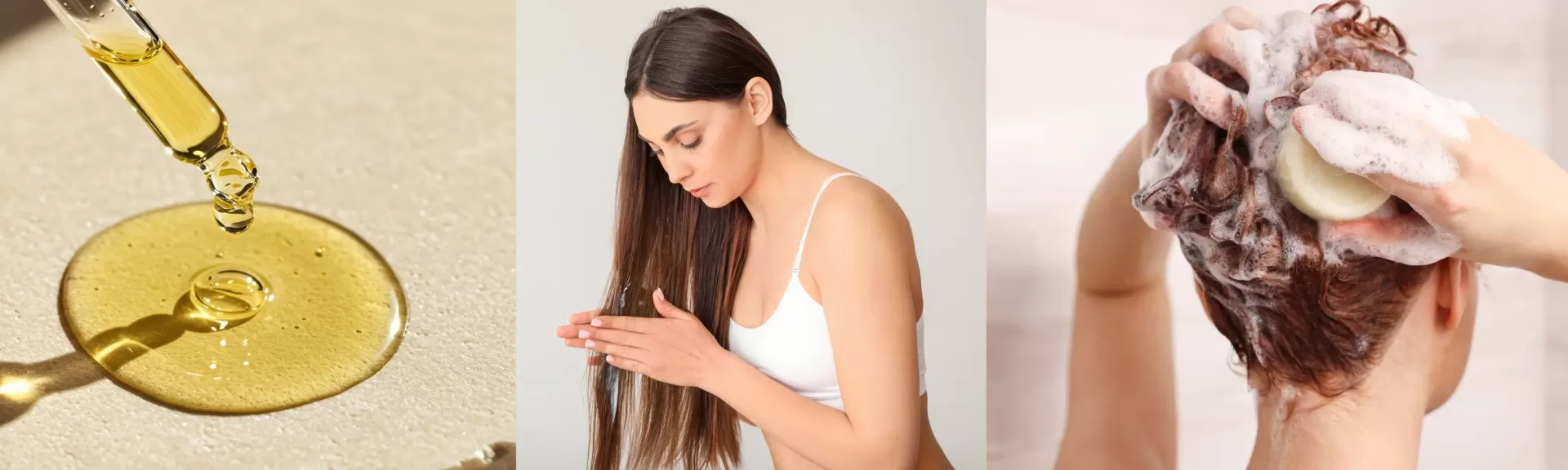
Always start with a dry scalp. Apply a small amount of conditioning oil and distribute it with your fingertips, massaging gently to prepare the skin. You can choose camellia (tsubaki) oil for its lightweight absorption, jojoba oil to balance sebum production, argan oil for nourishment without heaviness, or sweet almond oil to soften dry ends. Use between 1 and 3 ml, depending on your hair type, and let the oil sit for a few minutes while you prepare the brushes. Then wet your hair with warm water, apply shampoo, and distribute it with soft movements before beginning the technical massage.
Use two silicone scalp brushes, one in each hand, massaging from the nape toward the crown with circular, upward motions. Rinse thoroughly with warm water until all shampoo is removed. During the second rinse, perform a gentle exfoliation with the brushes to cleanse pores and improve scalp oxygenation. Apply conditioner only to the ends, allowing the water to carry the rest downward to avoid weight. At the end, gradually reduce the water temperature until you achieve a slightly cool rinse for 20–30 seconds. This helps seal the cuticles and enhance natural shine. If you prefer to avoid cold water, you can finish the ritual with a microfiber towel, gently pressing the hair, followed by a light massage with your fingertips to align the hair’s surface. This final step multiplies softness, reduces frizz, and leaves a fresh sensation that prolongs cleanliness.
Evidence and benefits supporting the practice
Science has shown that scalp massage influences key parameters such as hair thickness, follicle oxygenation, and the reduction of physiological stress. Clinical studies have documented increases in hair resistance and improvements in the anagen phase thanks to consistent massage techniques. Research on wellness and relaxation also demonstrates that regular massages reduce cortisol, which positively impacts hair growth. In Japan, this ritual is part of everyday care, and its effectiveness is supported by hair professionals and users who report visible changes in texture, shine, and the longevity of cleanliness.
How to adapt the ritual to your hair type
Japanese hair washing adapts to a wide range of needs and hair types. For oily scalps, it’s best to reduce the initial amount of oil and prioritize gentle exfoliation with the brushes. For dry or color-treated hair, choose lightweight yet nourishing oils and space out shampoo use to preserve natural sebum.
If your hair is curly, use lighter pressure during the massage to avoid frizz and choose a more hydrating conditioner. Elements such as water temperature, shampoo type, and drying method strongly influence the final result. That’s why adjusting the technique based on your hair’s response is recommended — listening to its changes and creating a version of the ritual that fits your daily life. Consistency, more than duration, is usually the factor that most transforms hair health.
Japanese hair washing proposes a new relationship with your hair routine: more conscious, more present, and deeply sensorial. Each step invites you to pause and observe how your scalp responds, creating an intimate space where technique becomes wellbeing. Over time, the results become visible and tangible: lasting shine, balanced roots, smoother cuticles, and a prolonged feeling of freshness.
But the most valuable part is the emotional transformation that comes with the process — a quiet calm that reminds you that caring for yourself is also an act of personal power. Try the double brush method, adjust it to your hair type, and gift yourself that moment of pause. Your hair — and your mind — will thank you.