0
No products in the cart.

Harmony & Marble: when design becomes a sensory experience

  • Comments: 0
  • Posted by: Andrés David Vargas Quesada

When design becomes a sensory experience

Some interiors look beautiful in photos but feel flat in real life. By contrast, others do the opposite and hold you the moment you walk in. Harmony & Marble belongs to that second category, because it approaches space as experience, not decoration. More specifically, the studio treats materials as emotion. Likewise, it treats light as narrative. Above all, it treats the client as the starting point.

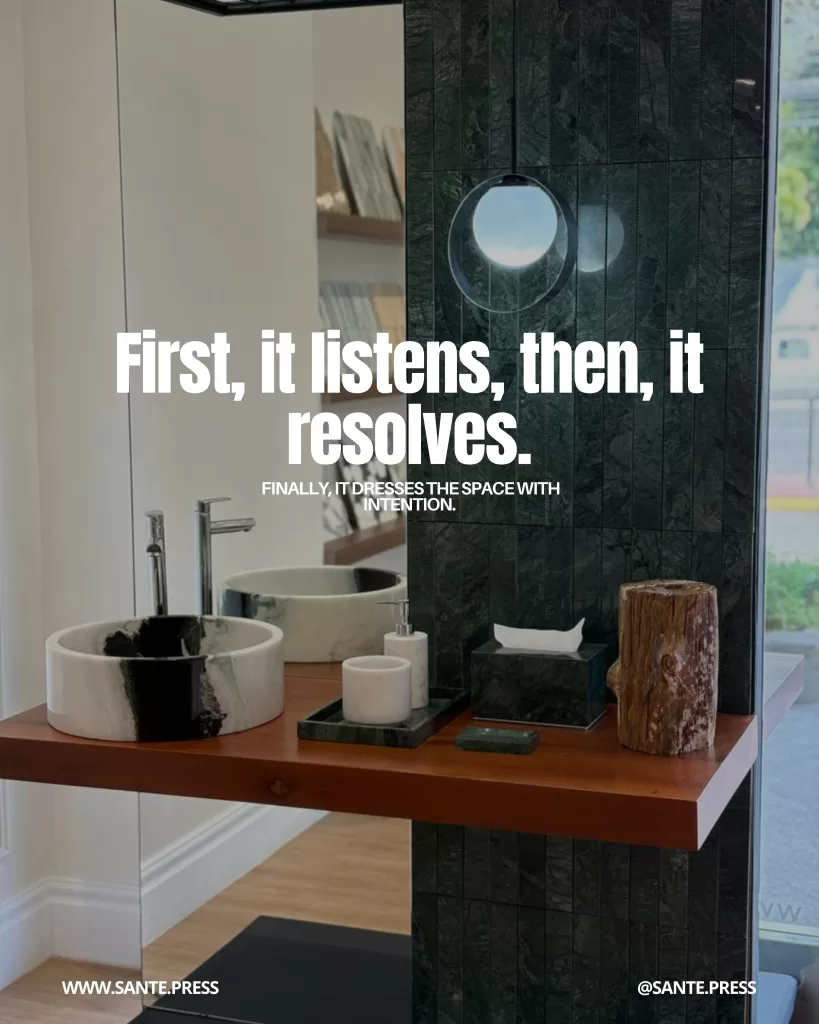
Behind the project is Tatiana García Umanzor, an interior designer working across residential and commercial spaces. Her method is consistent and, in practice, follows three steps. First, she listens. Then, she solves. Finally, she builds the sensory layer—texture, scale, and presence—so the space feels like the person who lives inside it.

harmony-marble-experiencia-sensorial

The beginning: from intuition to a clear path

Tatiana’s design instinct showed up early, for example when she built virtual homes in The Sims as a kid. Later on, she studied a field that did not fit. The mismatch felt heavy, yet it clarified what she wanted. Eventually, a family renovation became the turning point. During that process, she joined in and recognized a real passion: shaping how a space supports everyday life.

After that, she took a practical route and, for instance, researched programs, compared curricula, and trained her drawing skills. In 2019, she committed to interior space design formally and, at the same time, strengthened her confidence through disciplined practice. Meanwhile, her parents’ trust gave her freedom to choose. Over time, that freedom became a design principle: decisions must be intentional, and they must be owned.

Why the name matters: harmony as a design ethic

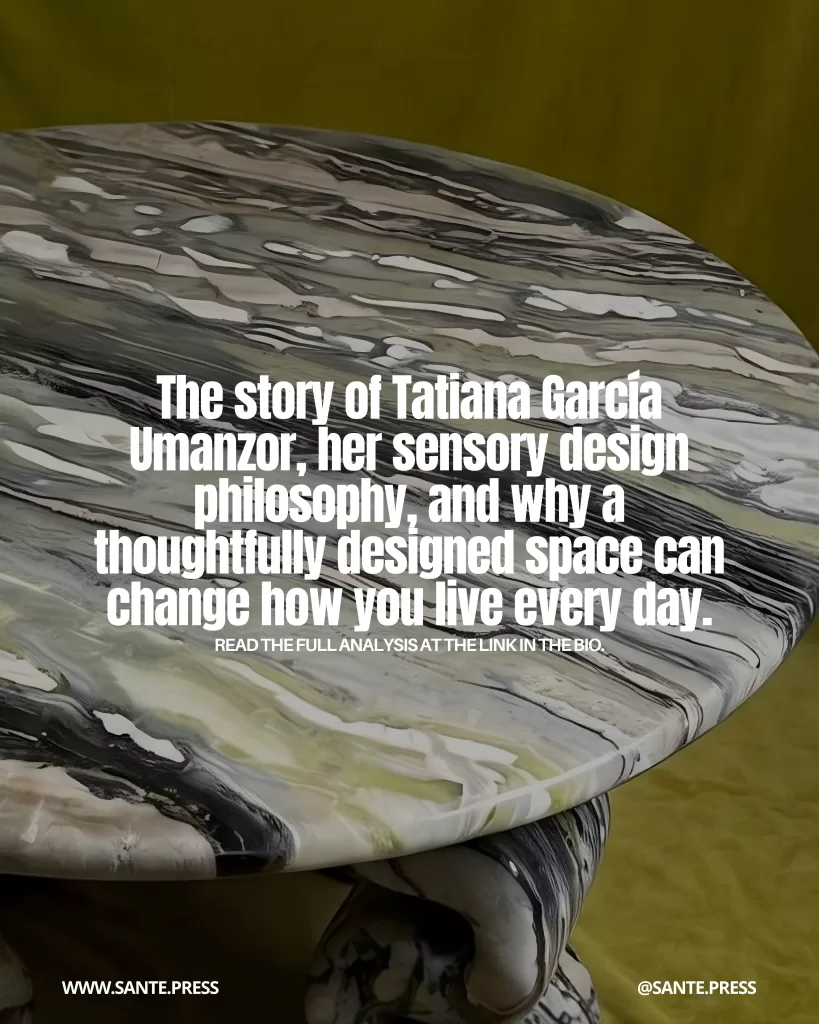
Marble was the original spark, not as a luxury signal but as a natural phenomenon. Each slab is expressive and, in addition, each vein is unique. In other words, marble carries difference rather than synthetic repetition. As a result, it carries a kind of truth.

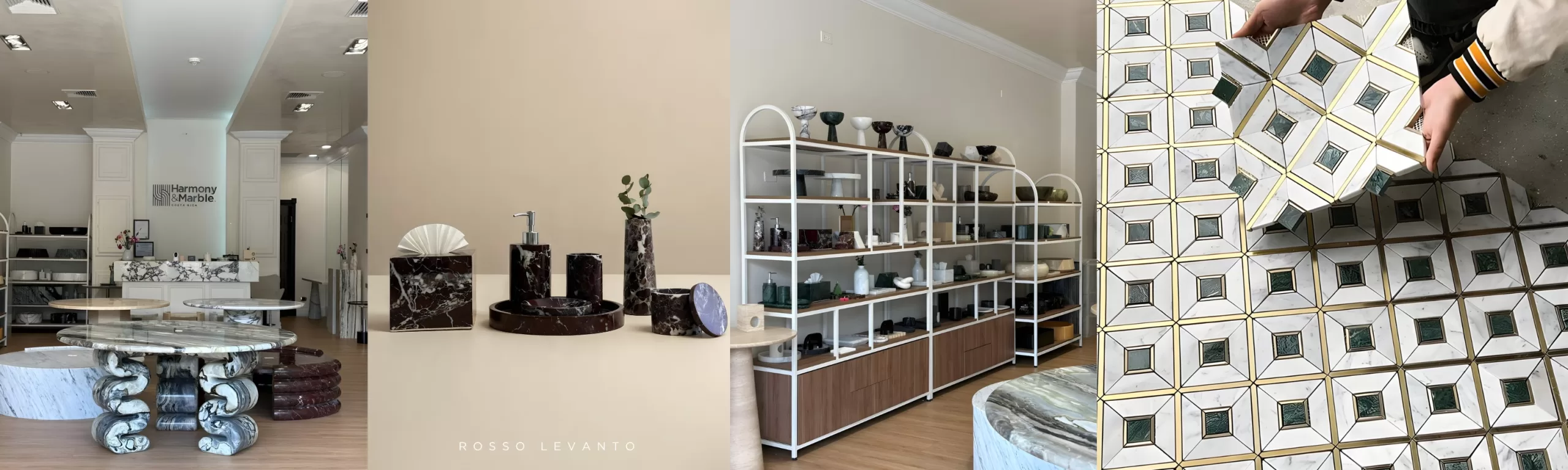
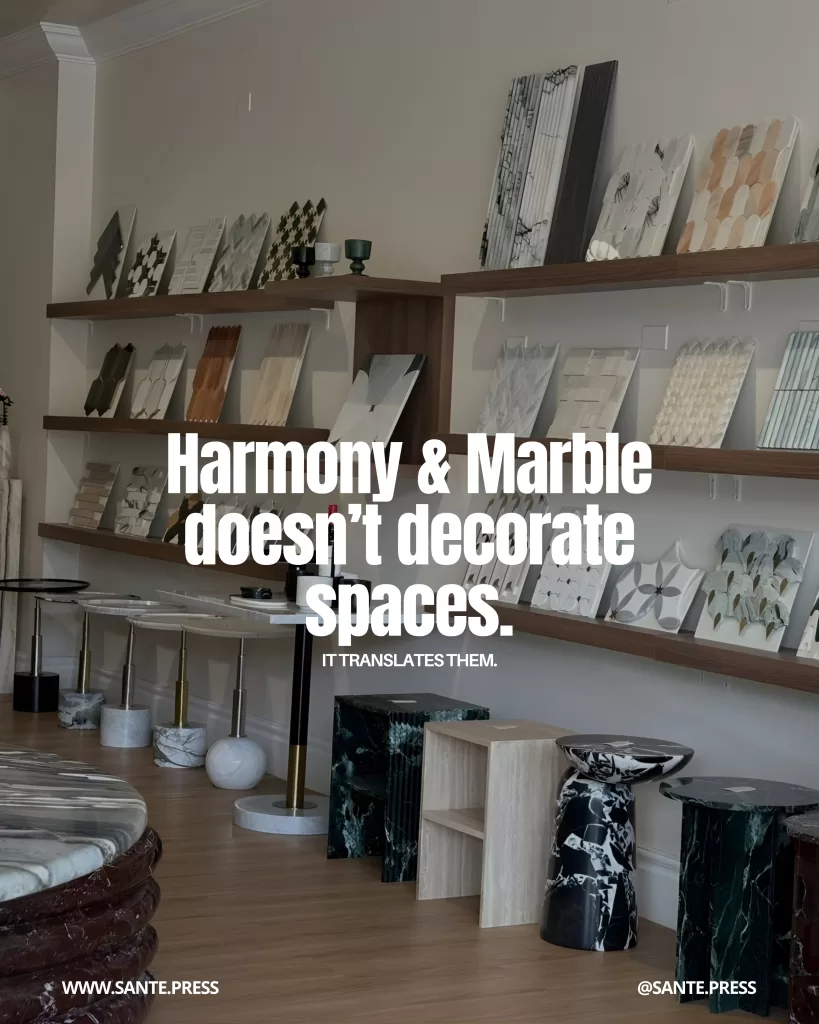
Her business mindset also comes from family history. Her parents, Salvadoran immigrants, built their lives through commerce in Costa Rica and, because of that, service became second nature. That upbringing teaches you to notice people, not only products, so trust must be earned through care. Harmony & Marble grew through research and real planning and, for example, mosaics led to furniture, furniture led to vanities, and vanities led to accessories.

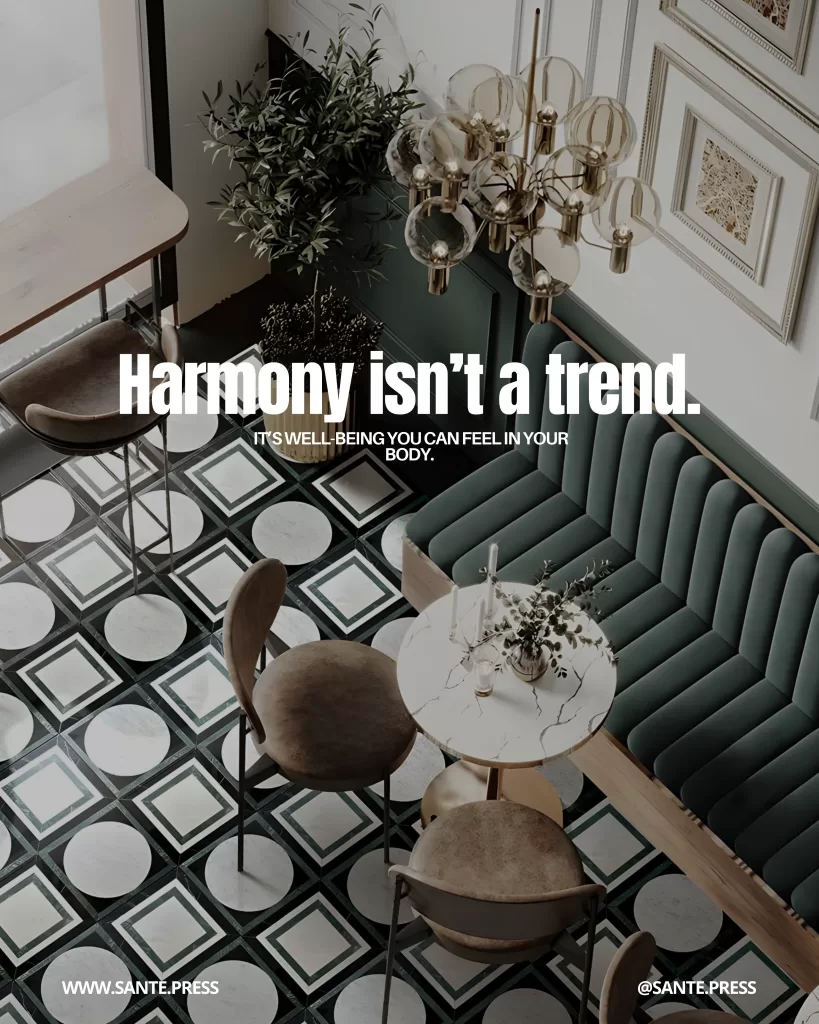
The word “Harmony” arrived through a conversation with a friend and, ultimately, completed the concept. Consequently, it opened the door beyond marble. In addition, it made room for wood, light, and balance across materials. Marble stays central, yet it is never alone.

A philosophy built on personality, not templates

Tatiana does not design from one fixed style. Instead, she designs from the client’s identity. She wants spaces to feel authentic and, at the same time, pushes back on uniform interiors that ignore place. Latin America is expressive and Costa Rica is lush and biodiverse, so context can inspire pattern, texture, and carefully placed color.

This does not mean chaotic decoration. Rather, it means deliberate presence. A focal point can carry personality and, similarly, a surface can carry memory. A lamp can shift mood and, as a result, change how the room is experienced. Meanwhile, the client remains part of the process. For Tatiana, “harmony” is not universal; instead, it is personal. Put simply, it is what works for the person who lives there.

“We don’t design to sell. We design so a space feels real.”

Materials, service, and the value of local craft

Harmony & Marble works with imported products. However, the brand integrates local value through craftsmanship and customization. Mosaics, vanities, and furniture can be tailored and, therefore, the material serves the space, not the other way around.

Service is part of the aesthetic. The team visits sites, brings samples, and builds 3D visualizations and, as a result, reduces uncertainty. In addition, that process respects the client’s decision-making. Many customers need to see materials in context and, for example, need to understand scale and light. Harmony & Marble treats that need as normal and, more importantly, treats it as care.

The creative process: function first, feeling second

A key principle guides the workflow: aesthetics cannot sit on top of unresolved problems. Layout and use come first and, therefore, the team asks direct questions. For instance, why change this room? What feels stressful? What fails in daily life? What needs to flow better?

Only then does the sensory design begin. Ideas are tested and, then, options are refined. Revisions happen and, in contrast to rigid “one-change” policies, the goal is satisfaction. The space belongs to the client and, that’s why, the design must support real living, not only a presentation.

Lighting as the emotional engine

If Tatiana has a non-negotiable, it is lighting. Lighting shapes function and emotion and, for example, one central fixture can cast shadows on work surfaces. A bedroom can feel harsh under cold brightness and, similarly, retail lighting can distort materials and colors.

Lighting also changes perception. For instance, paint reads differently across the day. Stone shifts under warm or neutral tones and, therefore, lighting is not a finishing touch. Instead, it is an instrument. For Harmony & Marble, it is the key that reveals the material’s story and, as a result, sets the emotional tone.

Bathrooms as a signature space

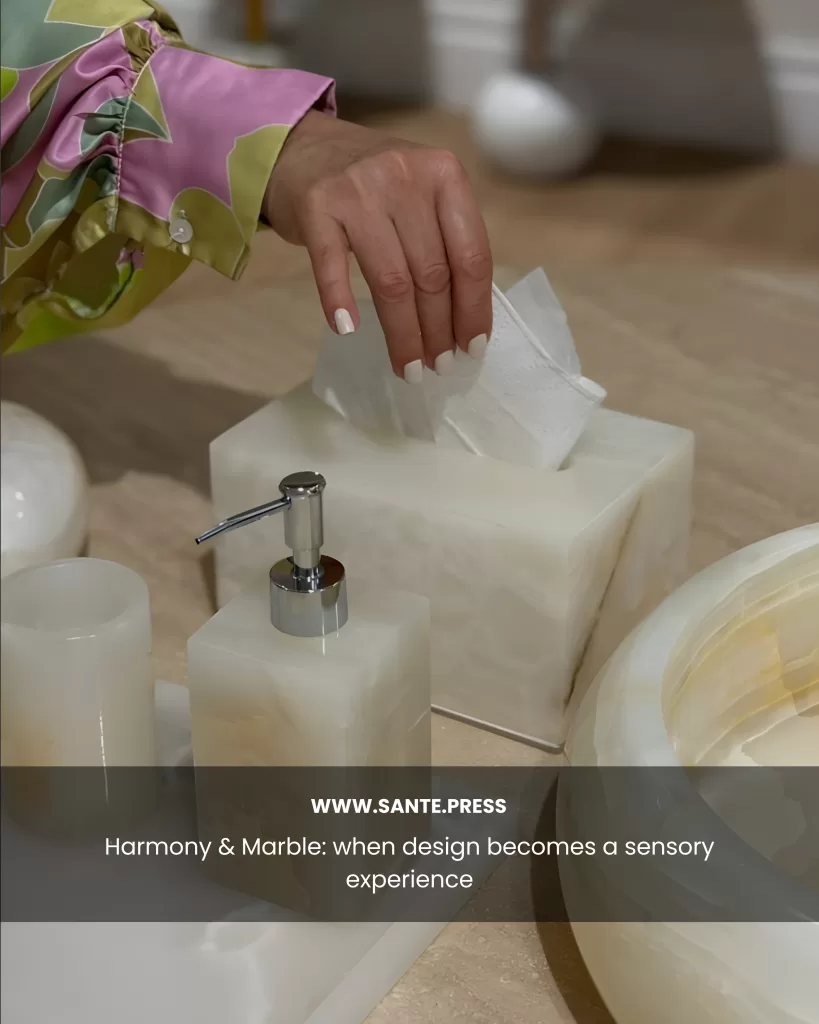
Tatiana loves bathrooms because they are compact laboratories. In fact, a guest bathroom can become the most memorable room in a home. People talk about it and, because of that, details matter. The texture is close and the light is intimate, so intention shows quickly.

Marble works beautifully here. A mosaic can be the focal point without shouting and, in addition, a vanity can feel sculptural. Likewise, a warm lighting plan can turn routine into ritual. In short, small rooms reveal big decisions.

Sustainability without slogans

Sustainability requires nuance with natural materials. Marble extraction is specialized and regulated and, however, it is also heavy work. Harmony & Marble does not sell a perfect “green” fantasy; instead, it argues for responsibility and durability. A long-lasting material used with care reduces replacement cycles and, consequently, longevity becomes a practical form of ethics.

Future vision: growth without imposition

Tatiana’s vision is international. She wants Harmony & Marble to travel and, at the same time, does not want to impose one aesthetic. She wants dialogue and, therefore, she wants adaptation. For that reason, the brand’s sensorial approach can meet different cultures with respect.

Harmony & Marble

argues for a demanding kind of elegance: one that starts with listening and ends with a space that feels truthful. Sensory design, in this view, is not about excess. It is about intention—an expressive material, lighting that supports the body, and guidance that turns clients into collaborators.

Location: El Cortijo, Los Laureles, Suite #5
Hours:

  • Monday–Friday: 10:00 a.m. – 6:00 p.m.
  • Saturdays: 10:00 a.m. – 3:00 p.m.

Phone: +506 7255-8222

Author: Andrés David Vargas Quesada