0
No products in the cart.

Generation Z and the Age of Anti-Aging Anxiety: Navigating the Paradox of Youthful Authenticity

  • Comments: 0
  • Posted by: Andrés David Vargas Quesada

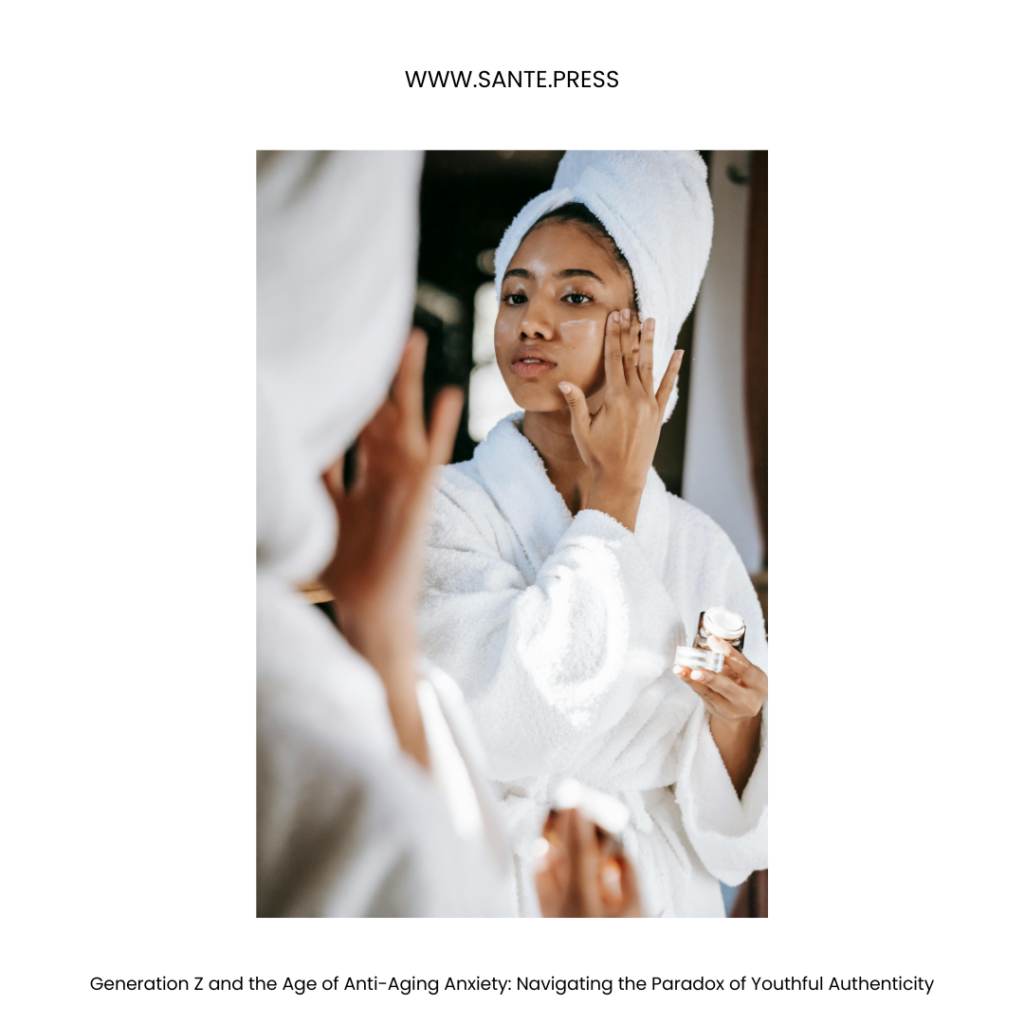
Despite their reputation for breaking societal norms and embracing individuality, a growing number of young people are turning to anti-aging products and procedures at an unprecedented rate. This shift in mindset prompts us to explore the reasons behind this paradox and consider the implications for how Gen Z will approach aging.

Generation Z

The Rise of Anti-Aging Anxiety:

The rise of anti-aging anxiety among Gen Z is undeniable, with social media playing a pivotal role in shaping perceptions of beauty and youthfulness. The constant exposure to filtered images and edited selfies has created a digital landscape where flawless skin, plump lips, and wrinkle-free faces are the norm. As a result, young individuals are feeling the pressure to maintain a perpetually youthful appearance, driving them to invest in anti-aging products and procedures earlier than previous generations.

Social Media Influence:

One cannot ignore the influence of social media platforms on shaping beauty standards and fueling anti-aging concerns among Gen Z. The prevalence of beauty filters and photo-editing apps has created an unrealistic standard of beauty, making it challenging for young individuals to separate reality from digitally altered perfection. The fear of not measuring up to these digitally enhanced ideals has led to an uptick in the use of anti-aging products as a preemptive measure against the perceived aging process.

Generation Z

Changing Perspectives on Aging:

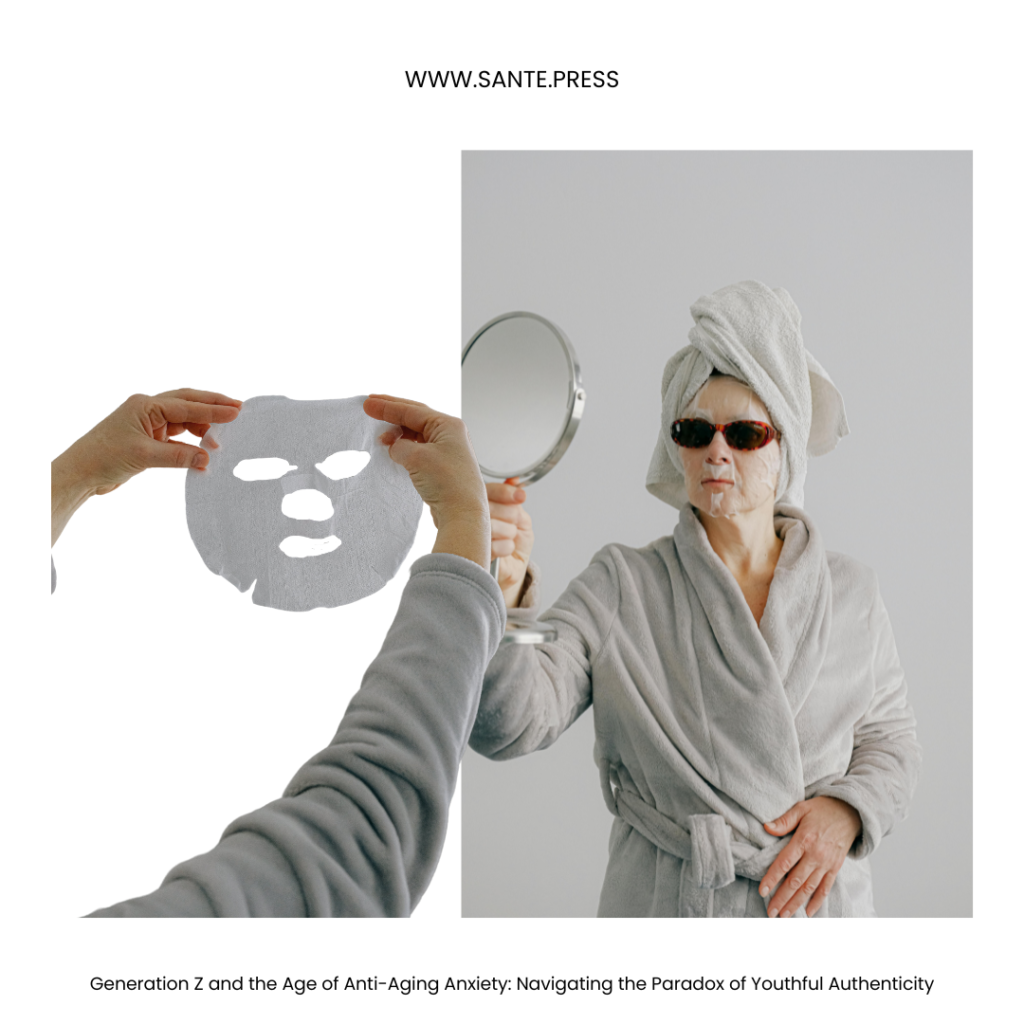
While the concern about looking old at a young age may seem contradictory to Gen Z’s ethos of authenticity, it reflects a broader shift in societal perspectives on aging. The emphasis on staying youthful can be seen as a desire to preserve not just physical appearance but also the energy, vitality, and opportunities associated with youth. The question arises: How will this focus on maintaining a youthful facade impact the way Gen Z approaches the inevitable process of growing old?

The Impact on Mental Health:

As Gen Z invests more time, effort, and resources into anti-aging practices, it’s crucial to consider the potential impact on their mental health. The pressure to conform to societal beauty standards and the fear of aging prematurely may contribute to heightened anxiety and self-esteem issues. Balancing the desire for youthfulness with a healthy acceptance of the natural aging process will be a critical challenge for this generation.

Generation Z

Navigating the Paradox:

As Generation Z grapples with the paradox of embracing authenticity while succumbing to anti-aging pressures, it becomes essential to foster a balanced perspective on beauty and aging. Encouraging open conversations about self-acceptance, debunking unrealistic beauty standards, and promoting mental well-being can help young individuals navigate the complexities of growing older in a society that often equates youthfulness with value.

Generation Z’s preoccupation with anti-aging products and procedures challenges stereotypes about their commitment to authenticity and body positivity. The impact of social media, changing perspectives on aging, and the potential consequences for mental health underscore the need for a nuanced and balanced approach. As we observe this generation’s journey into adulthood, it remains to be seen how they will redefine societal norms surrounding beauty, aging, and the authentic expression of self in the years to come.

Author: Andrés David Vargas Quesada

Leave a Reply

This site uses Akismet to reduce spam. Learn how your comment data is processed.