0
No products in the cart.

Frugal chic 2026, How to Be Cool and Chic?

  • Comments: 0
  • Posted by: Andrés David Vargas Quesada

For decades, fashion upheld an apparently unquestionable narrative: spending more meant looking better. However, that belief has begun to fracture. Persistent inflation, fast fashion fatigue, and visual oversaturation have reshaped our emotional relationship with clothing. Dressing is no longer a race toward constant novelty; instead, it has become a reflective and strategic decision. Within this cultural shift, Frugal chic 2026 emerges not as a passing microtrend, but as an emotional response to excess. It is the experience of choosing calmly, repeating with intention, and building a coherent image. Looking “expensive” no longer depends on price, but on the clarity with which one inhabits personal style.

Frugal chic 2026, ¿Cómo ser cool y chic

When Elegance No Longer Depends on Spending

At the core of this aesthetic lies a powerful conviction: good taste is born from editing. Dressing well no longer means accumulating garments, but understanding which pieces truly work within a personal system. Each item plays a clear role and converses with the rest without competing for attention. As a result, repetition stops feeling careless and becomes a recognizable signature. Moreover, once the wardrobe is refined, details gain prominence. Cut, fit, and texture become visible. Style then communicates stability, control, and inner confidence. It no longer seeks external validation. It stands on personal coherence and quiet assurance.

The Emotional Origins of Frugal Chic

This movement does not arise from aesthetic whim, but from accumulated emotional fatigue. After years of accelerated consumption and constant stimulation, many people began experiencing exhaustion, guilt, and saturation. Shopping stopped providing lasting satisfaction and started producing anxiety. In response, a new form of silent pride emerged. Choosing not to buy became an act of control. Waiting, comparing, or turning to secondhand options lost their stigma. On social media, creators like Mia McGrath helped reframe this narrative. Frugality transformed into aspiration, not through scarcity, but through clarity, autonomy, and refined judgment.

Serene Palettes and Timeless Silhouettes

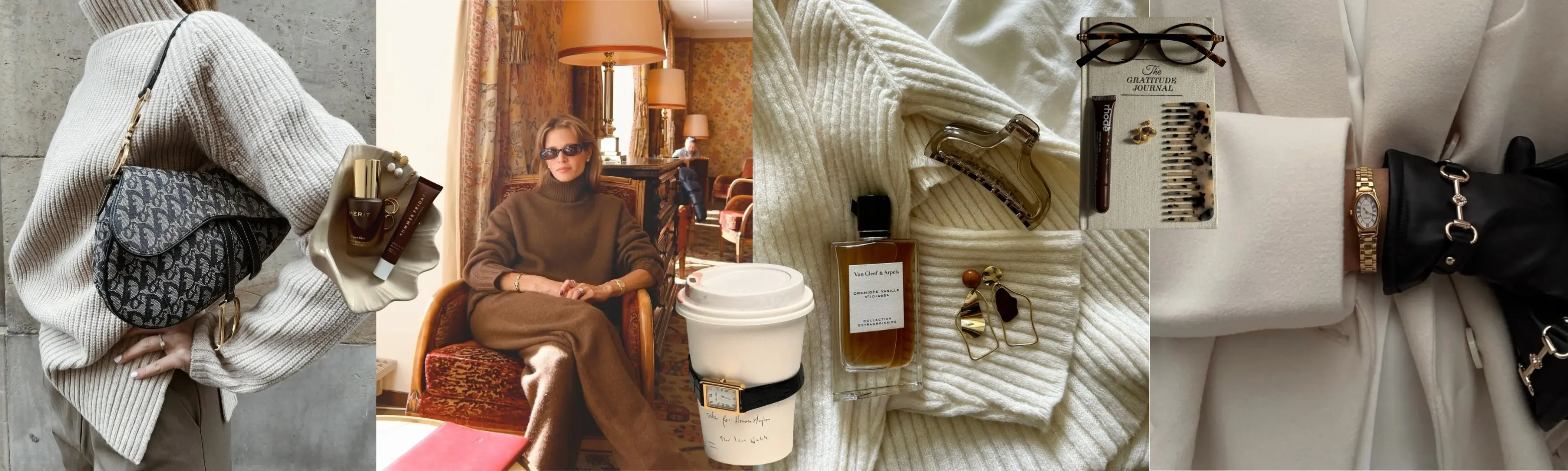
Visually, this aesthetic is built around calm and permanence. Neutrals dominate because they do not compete or overwhelm the visual story. White, cream, beige, gray, black, and taupe create a stable and versatile emotional base. On that canvas, precise accents add character without disrupting harmony. Silhouettes prioritize longevity and structure. Fluid trenches, tailored blazers, crisp white shirts, and straight trousers form a recognizable language. Texture adds sensory depth. Satin, wool, denim, and leather are combined intentionally, creating outfits that feel deliberate rather than improvised.

Daily Strategy and the Curated Wardrobe

Looking “expensive” with realistic resources is not a trick; it is a sustained system. Strategy reduces mental friction and organizes everyday decisions. Many people build personal uniforms that repeat with subtle variations. Investment focuses on structural pieces that define the silhouette. Coats, blazers, neutral bags, and well-maintained shoes uphold the entire visual narrative. Everything else is solved through creativity, resale, or accessible brands. Care multiplies perceived value. A clean, tailored, and well-pressed garment communicates more status than any impulsive purchase. Within that balance, Frugal chic 2026 takes shape.

Habits That Sustain the Aesthetic

This approach extends beyond clothing and is anchored in coherent habits. Strategic buying replaces anxious consumption. Seeking sales, cashback, rentals, or resale becomes part of a conscious process. DIY also emerges as a form of practical self-care. Clean nails, polished makeup, and simple hairstyles reinforce a refined image without excess. Each habit builds a sense of internal control. That security translates into external presence. Style no longer depends on spending power, but on consistency across daily decisions.

Elegance Applied to Everyday Life

Sophistication does not end in the wardrobe; it extends into how time and space are inhabited. At-home plans are curated with the same care as an outfit. Simple yet beautiful tables, discreet flowers, warm lighting, and thoughtfully chosen playlists create a quiet, intimate luxury. Status, in this context, stops being displayed and begins to be lived privately and consciously. Personal branding follows the same logic. A clean feed, consistent palette, and narrative rooted in taste and financial intelligence reinforce the message without explanation. Within this framework, Frugal chic 2026 operates as a silent code connecting those who value discernment, intention, and calm over constant noise.

Frugal chic 2026 is neither a fleeting trend nor a temporary reaction to inflation. It represents a profound redefinition of contemporary aesthetic power. Dressing well without overspending stops being a contradiction and becomes a conscious stance. Choosing less means choosing better. Buying with intention becomes an act of self-respect. In an era that confuses visibility with value, this aesthetic restores importance to what truly matters. Through that composed and confident gesture, fashion regains its ability to accompany a coherent, elegant, and emotionally sustainable life.

Author: Andrés David Vargas Quesada