0
No products in the cart.

Financial control apps: tools to save and learn more

  • Comments: 0
  • Posted by: Andrés David Vargas Quesada

To improve savings management and expense control in 2025, it’s best to combine effective financial control apps with trustworthy financial education. Digital tools help track income and expenses, while educational resources build a solid foundation for smart decisions. This post presents useful apps for monitoring expenses and saving, along with verifiable sources to deepen your financial knowledge.

Apps control financiero recursos para ahorrar y aprender

Recommended Apps for Financial Control

Fintonic

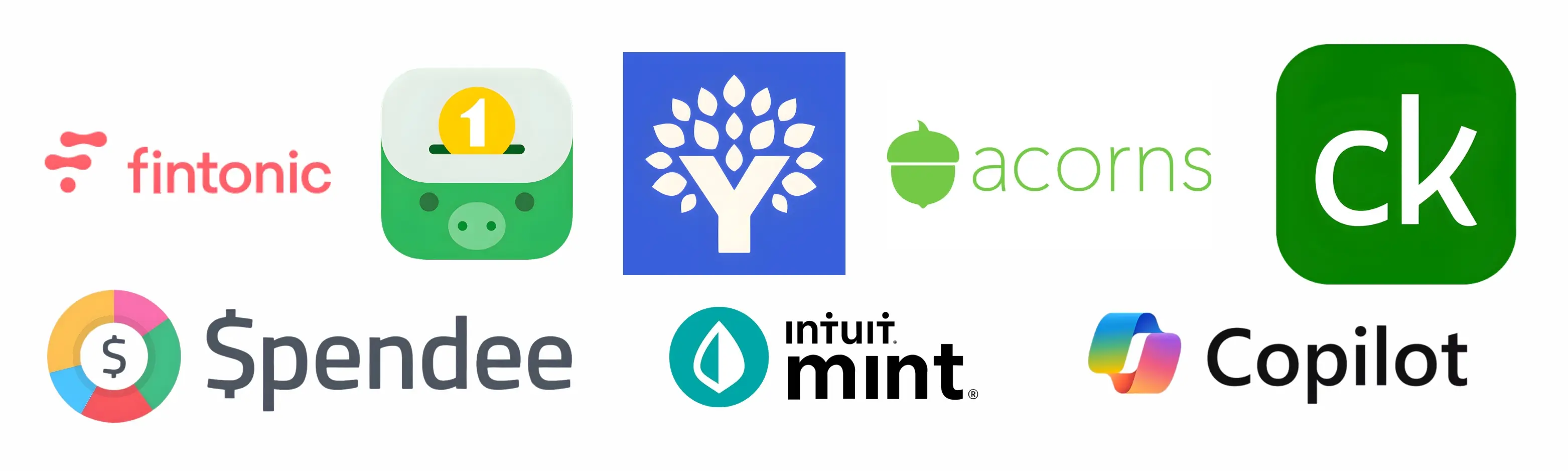
Fintonic is a fintech app focused on the Spanish market. It consolidates bank accounts, automatically categorizes expenses, and calculates its own indicator, the “FinScore,” which reflects a user’s financial health. It also allows comparison of loans and other financial products directly in the app. It’s available on web and mobile, though full functionality requires linking your bank accounts. It’s especially useful if you use Spanish banks and want an integrated view of your finances. More details on the official site: Fintonic.

Spendee

Spendee lets you record income and expenses, create customized budgets, and visualize your habits with clear, attractive charts. It supports shared wallets for families or couples and can sync with banks or import CSV files. Its visual design simplifies understanding money flows. Some advanced features require a premium subscription. You can explore the app at Spendee.

Money Lover

Money Lover helps manage personal finances with bill reminders, savings goal planning, and debt tracking. It supports multiple currencies, syncs across devices, and offers fingerprint or password protection. It is valued in emerging markets for its simplicity. In some countries, bank integrations must be done manually. More details at Money Lover.

You Need A Budget (YNAB)

YNAB combines a proven methodology with a powerful app, assigning every dollar (or currency) to a category before spending. This helps break spending cycles and plan with intention. YNAB also offers workshops and educational content. Although its annual subscription and learning curve require commitment, many users consider it worthwhile. Learn more at YNAB.

Mint (status to verify)

Mint, by Intuit, was long considered one of the most complete personal finance apps, offering budgets, expense categorization, alerts, and trend analysis. However, recent reports indicate changes in its corporate strategy and availability. Therefore, it’s advisable to verify its current status on the official site before linking accounts. Visit Mint and check independent sources for up-to-date information.

Other Useful Alternatives

Additional apps that may complement your financial control, depending on your needs:

  • Copilot: iOS app focused on automated recommendations and smart categorization.
  • Acorns: Rounds up purchases to invest the spare change (“micro-investing”).
  • Credit Karma: Monitors credit scores, especially useful if you live in the U.S.

Security and Privacy When Using Apps

Before linking an app to bank accounts, read its privacy policy, understand connection methods (aggregator or direct access), and know what data is shared. Prefer apps that use encryption, biometric login or PIN authentication, and have solid reviews in official stores like Google Play or the App Store. These measures reduce risks and protect your financial information.

Verified Financial Education Resources

NEFE – National Endowment for Financial Education

NEFE is a U.S. nonprofit offering studies, courses, and guides for consumers, schools, and communities. Its resources cover budgeting, debt, investing, and more, helping you build a reliable financial foundation. Learn more.

NFEC – National Financial Educators Council / Financial Educators Council

The NFEC provides educational material, community programs, and certifications for financial educators. If you’re looking for workshops or group training, their resources are valuable. More information at NFEC.

OECD – Financial Education

The Organisation for Economic Co-operation and Development publishes international studies on financial education and consumer protection. Its guides are reliable for understanding global trends and designing policies. Visit the OECD financial education section.

Local Resources in Costa Rica

In Costa Rica, FundaciónCR and its library offer cultural and educational initiatives that may include workshops or printed material on personal finance. If you want resources closer to home, contact the foundation directly. More info at FundaciónCR.

Educational Platforms and Courses

Organizations such as NEFE, NFEC, the Council for Economic Education and Banqer create courses, teaching plans, and guides for various audiences (youth, families, entrepreneurs). These resources help you acquire solid knowledge without depending solely on apps.

Combining financial control apps with trustworthy educational resources gives you two essential pillars: practical control and long-term knowledge. Apps help you monitor, plan, and save, while financial education strengthens your decisions. With this integrated approach, you can improve your savings, reduce risks, and build stronger financial health throughout 2025.

Author: Andrés David Vargas Quesada