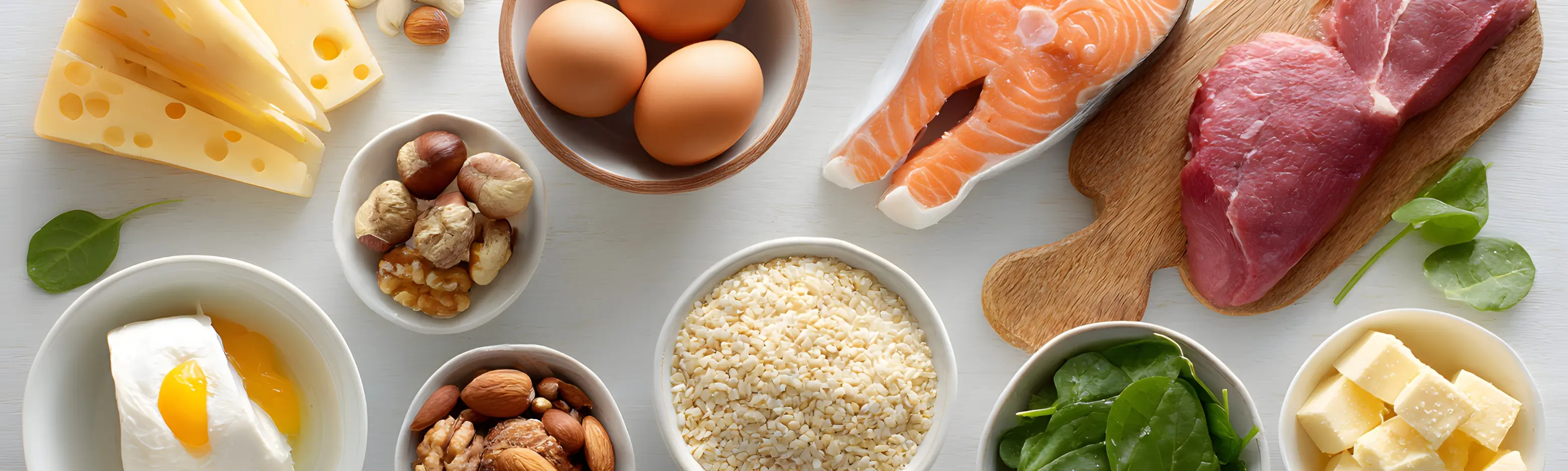
Excess protein in the diet: the wellness craze

  • Comments: 0
  • Posted by: Andrés David Vargas Quesada

Excess protein in the diet has become an everyday topic, though rarely a deep one. A walk through any supermarket reveals labels proudly shouting “high protein,” almost as a moral badge. Meanwhile, the real plate loses nuance. In daily life, abundance is confused with care, and quantity with quality. Protein has shifted from essential nutrient to symbol of control, discipline, and promised longevity. Yet the body does not respond to trends, but to balance. When that balance breaks, consequences appear quietly. Science has never questioned protein itself; it questions excess, origin, and context.

Exceso de proteína en la dieta la fiebre del bienestar en 2025

The protein craze of 2025

In 2025, protein became the new fetish of modern wellness. Shakes, yogurts, and bars promise muscle, energy, and youth in every sip. This obsession partly stems from contemporary fear of muscle loss. Rapid weight loss and highly publicized medications intensified that anxiety. The nutritional pendulum swung hard. We moved from demonizing eggs and dairy to consuming protein as emotional insurance. The risk today is no longer deficiency. Instead, excess protein in the diet and imbalance with other macronutrients dominate the landscape.

How much protein do we really need?

International organizations speak in ranges, not competitions. For healthy adults, recommendations sit around 0.8 to 0.83 grams per kilogram of body weight. That equals roughly 50 to 70 grams per day for non-athletes. Even for athletes, benefits appear around 1.2 to 1.6 g/kg. Beyond that, there is no magic. Quality, daily distribution, and balance with complex carbohydrates and healthy fats matter most. Eating more protein does not guarantee more muscle. The body has clear limits.

When more is not better

In many Western countries, protein intake systematically exceeds recommendations. Average supply approaches or surpasses 80 grams per person per day, according to global FAO data. Most of it comes from animal sources. The body uses what it needs for synthesis and repair. The remainder is oxidized or stored as fat. Meanwhile, fiber, phytonutrients, and plant foods are displaced. Excess protein in the diet does not build extra health; it often erodes overall balance.

The silent risks of excess

Sustained high-protein diets centered on fatty meats and dairy are linked to cardiometabolic and renal risks in vulnerable populations. Diets low in fiber also disrupt gut microbiota. Research connects high intake of red and processed meat with increased colorectal cancer risk. The World Health Organization supports this association. These patterns often carry more sodium and saturated fat as well. The damage rarely announces itself; it accumulates.

Where our protein comes from

Western tables remain dominated by animal protein. Red and processed meats, poultry, dairy, and eggs lead consumption. Guidelines recommend limiting red meat to about three servings per week, roughly 350–500 grams cooked. The World Cancer Research Fund details this clearly. Reality often exceeds these limits. Legumes, nuts, and whole grains remain underrepresented. The plate tilts quietly out of balance.

The overlooked power of plant protein

Plant proteins support muscle mass and metabolic health effectively. Legumes combined with whole grains naturally complete amino acid profiles. Lentils with rice, beans with corn, or chickpeas with wheat have proven this for centuries. They also provide fiber, minerals, and bioactive compounds absent from meat. Some sources, such as soy and quinoa, are nearly complete on their own. Regular inclusion reduces dependence on animal protein without sacrificing performance.

Animal protein: necessary nuance

Animal protein is not an enemy. It is nutrient-dense and highly bioavailable. Fish, eggs, and fermented dairy fit well into healthy patterns. Problems arise when daily intake relies heavily on red and processed meats. Large, frequent portions concentrate risk. Context matters as much as food choice. Eating meat occasionally is not the same as living on it.

The environmental cost of the plate

The debate around excess protein in the diet is also climatic. Livestock farming, especially cattle, generates high emissions and heavy pressure on land and water. The FAO outlines this global impact. If such patterns became universal, sustainability would collapse. Daily food choices are never neutral. Every plate tells an ecological story.

A powerful middle ground

Scientific evidence converges on a mixed, predominantly plant-based protein pattern. Traditional Mediterranean diets support this approach. International commissions such as EAT-Lancet suggest that 70–80% of daily protein should come from plant sources. The remainder can be animal-based, low-impact, and moderate in portion. Meat shifts from constant protagonist to occasional accent. The plate regains diversity and meaning.

Excess protein in the diet is not a modern virtue, but a cultural symptom. Nutritional maturity arrives when we stop counting grams and start understanding context. Balance, origin, and frequency matter more than label claims. In that middle space, the body strengthens without strain. The planet breathes easier. Protein returns to its rightful role: supporting life, not dominating it.

Author: Andrés David Vargas Quesada