0
No products in the cart.

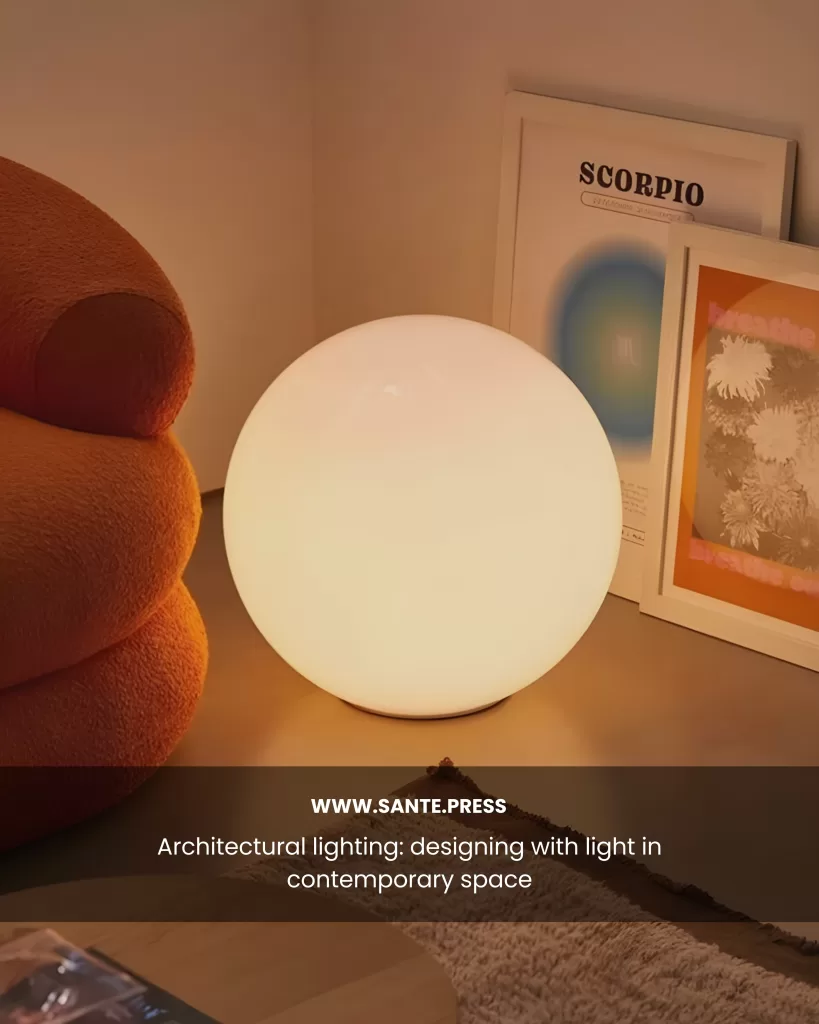
Architectural lighting: designing with light in contemporary space

  • Comments: 0
  • Posted by: Andrés David Vargas Quesada

Designing with light: the quiet revolution in contemporary space

Light has always been present. For years, though, it was treated as an afterthought. A plan was finished, and fixtures were added at the end. That order is changing.

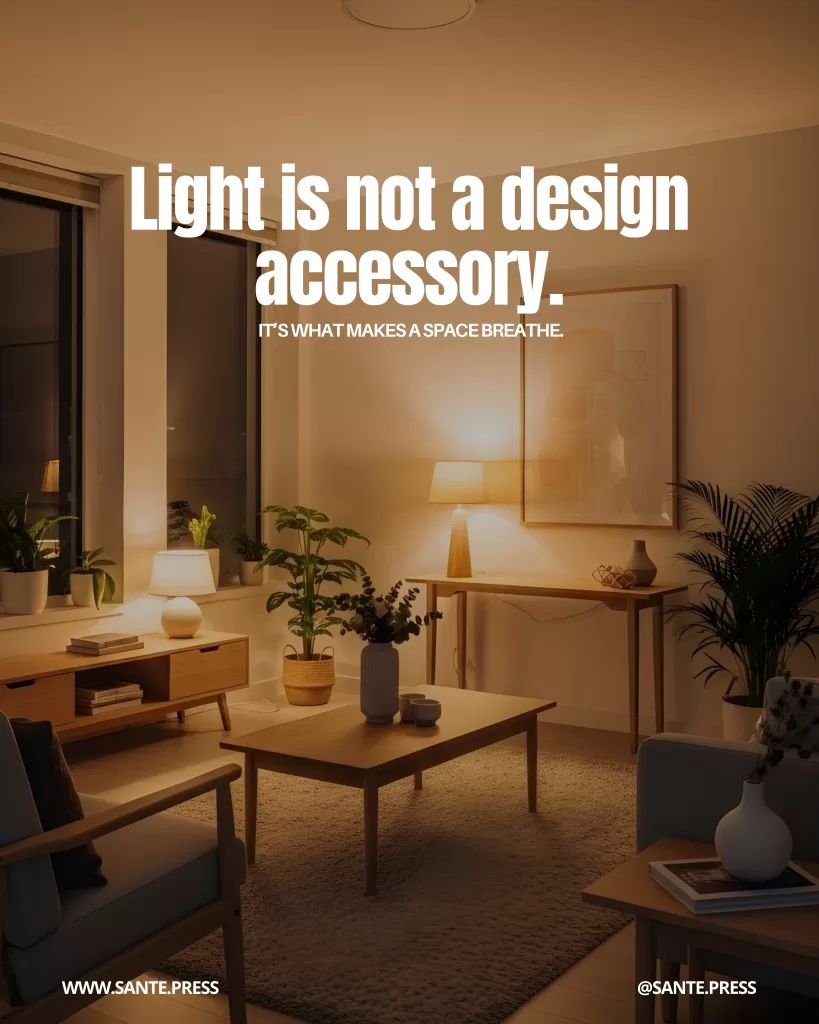
Today, architectural lighting is increasingly considered a starting point. It shapes how space feels. It guides attention. It supports rest and focus. At the same time, it helps a project move beyond “looking good” and into “living well.”

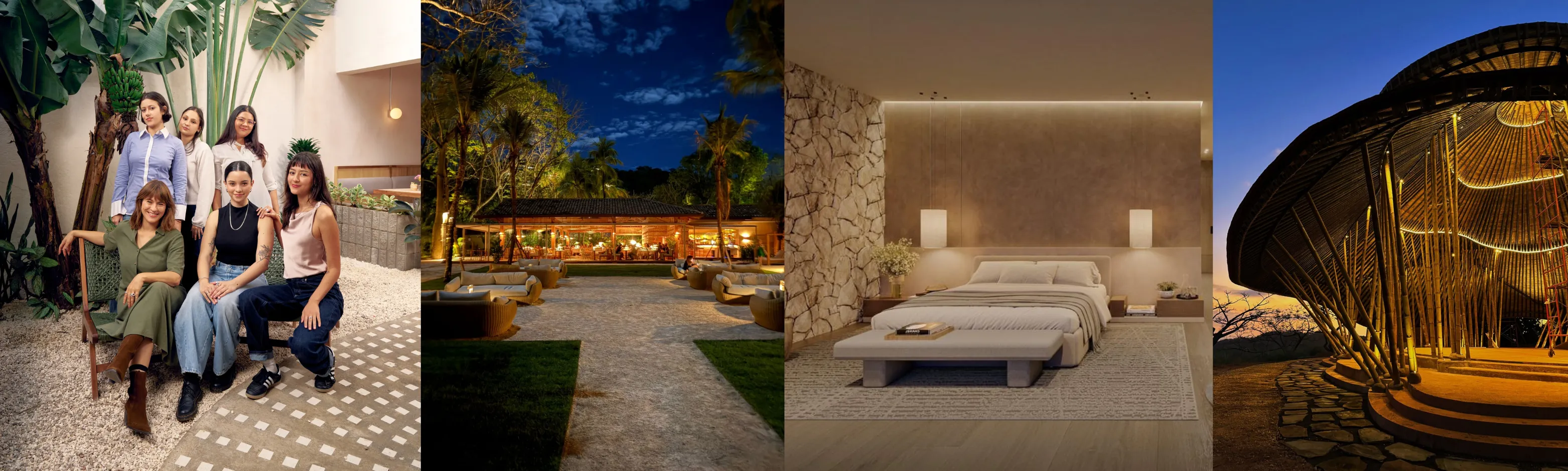
DAAS DESIGN, led by Valeria Coghi, works in that exact territory. The studio treats light as experience rather than decoration. The goal is not spectacle. The goal is atmosphere that holds up in real life.

iluminacion-arquitectonica-daas-design Imágenes brindadas por DAAS DESIGN

Light as material: the intangible that makes form legible

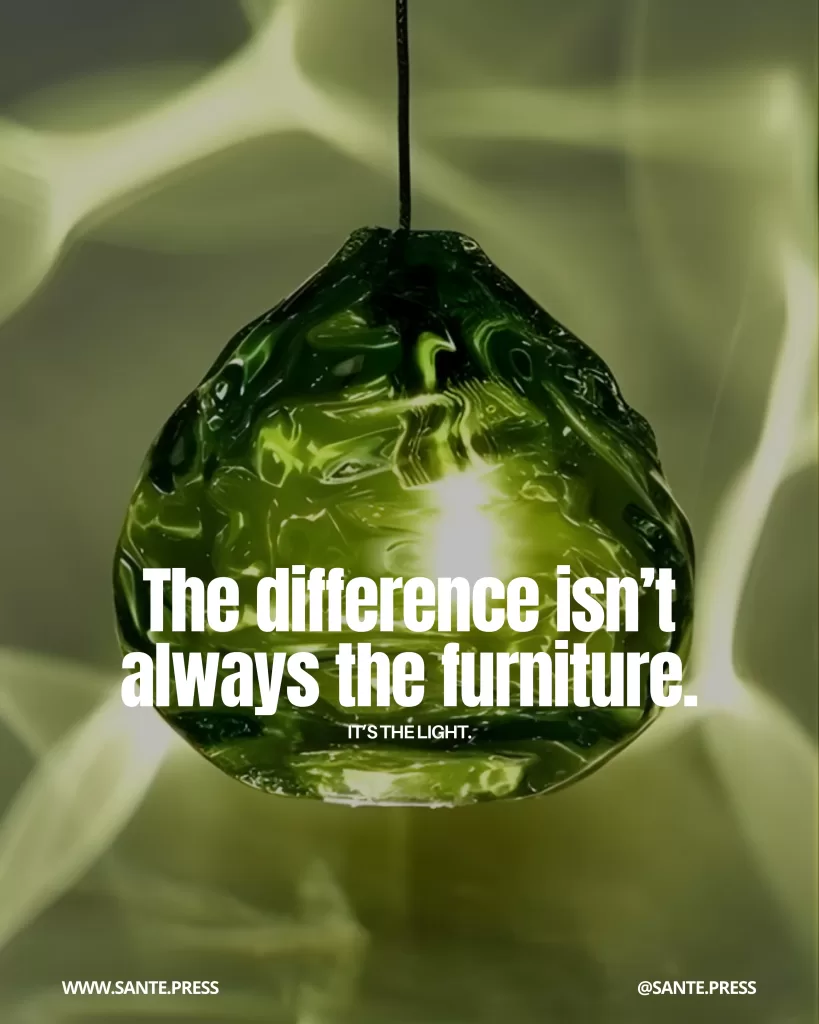
Calling light a “material” sounds poetic, yet it is also practical. Form sets boundaries. Light decides how those boundaries are perceived.

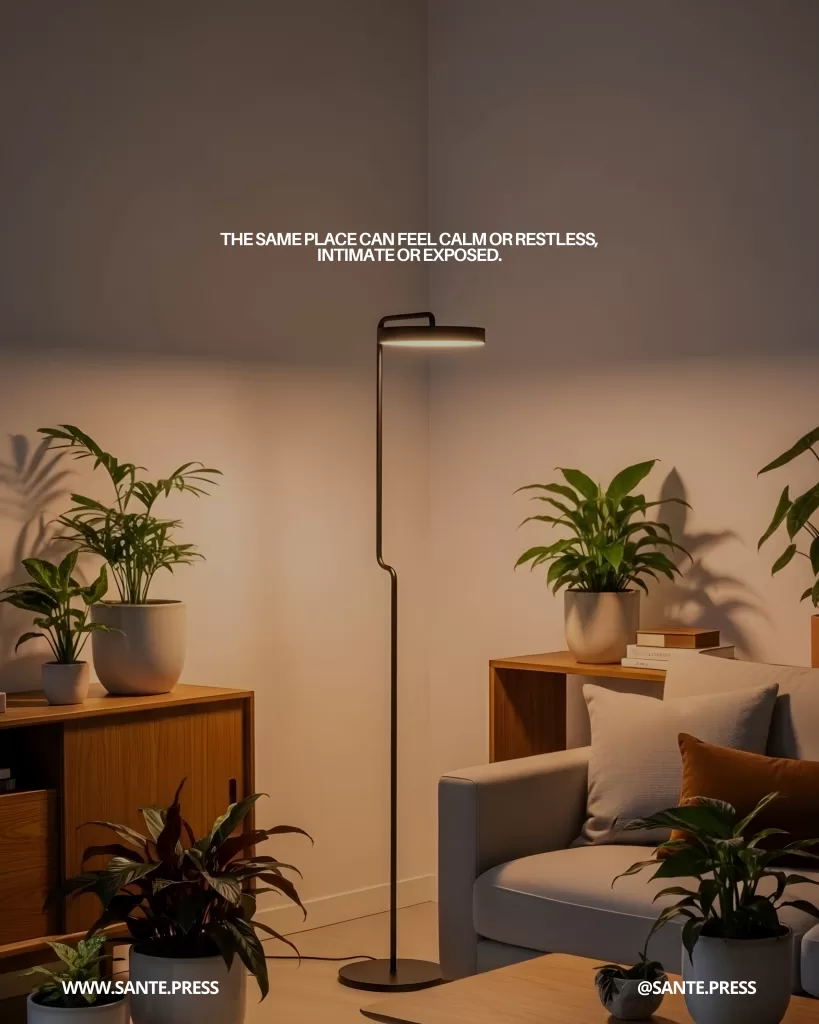
A room can feel open or tight depending on shadows and reflectance. It can feel calm or tense based on glare and contrast. In contrast, a space with balanced light often feels effortless, even when the architecture is complex.

Surfaces matter, too. Rough plaster softens a beam. Polished stone returns it with clarity. Dark wood absorbs it and creates intimacy. Therefore, finish selection becomes part of the lighting strategy, not a separate aesthetic decision.

“Light doesn’t decorate a space—it teaches it how to breathe.”

Sensory and psychological impact: light meets the nervous system

We don’t experience rooms only with our eyes. We experience them with the body. Light influences that experience in direct ways.

Daylight can lift alertness. Dimmer scenes can help the body unwind. However, harsh brightness at night can keep the system activated. Because of that, good lighting design considers time, rhythm, and transition.

Mood is also shaped by direction. Side light can feel contemplative. Overhead light can feel formal. A gentle accent on texture can turn a plain wall into something memorable. Moreover, comfort often comes from what you don’t notice: no glare, no flicker, no constant squinting.

Contemporary strategy: lighting layers that tell a story

A strong scene is usually built in layers. First comes ambient light. It makes the room readable. Next comes task light for cooking, reading, or working. Then comes accent light to add character.

Glare control is the hidden hero. Many “well-lit” interiors are simply over-lit. In contrast, thoughtful projects use the minimum intensity that still feels generous. Diffusion, angles, and placement do most of the work.

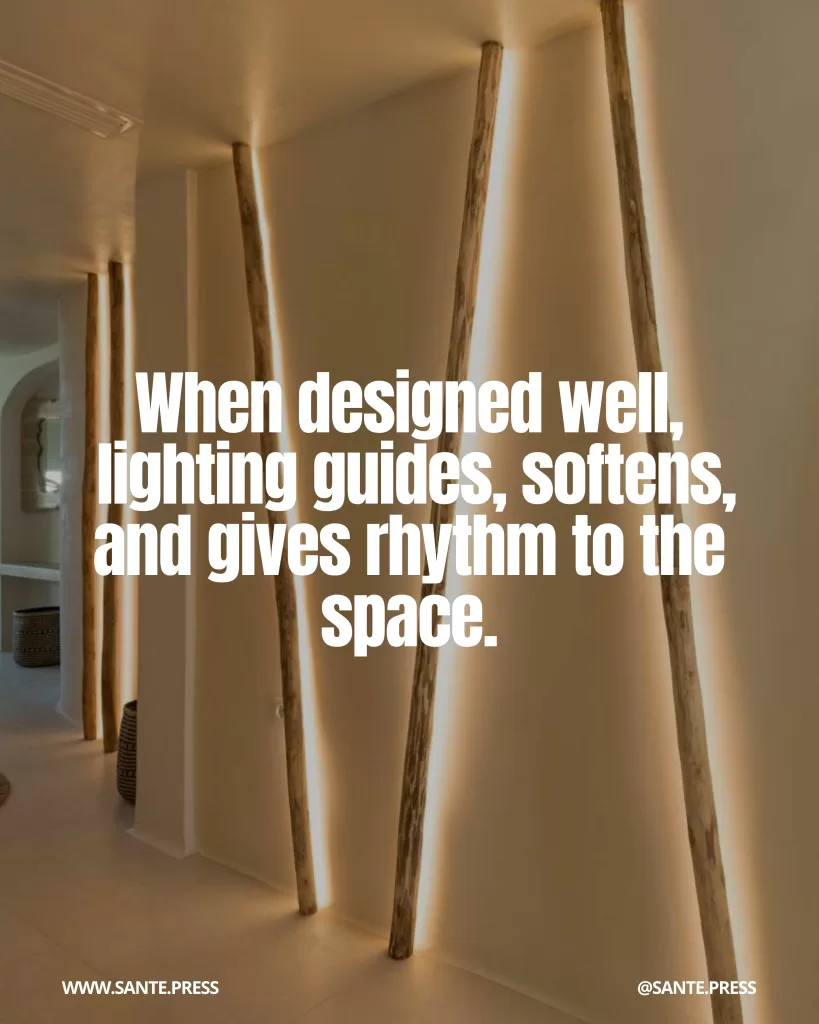
Visual journey matters as well. Light guides movement. It invites you in. It slows you down in the right places. Therefore, architectural lighting often feels like choreography rather than equipment.

Technology and dynamic scenes: smarter, not colder

LED systems and smart controls expanded what lighting can do. Scenes can shift across the day. A morning setting can energize. An evening setting can soften the world.

However, technology can’t rescue a weak concept. It can only amplify a good one. For that reason, the best approach is to program meaning, not novelty. Ask what the space needs emotionally. Decide what the user needs physically. Then use tools to support those needs.

When scenes become dynamic, architecture becomes more than a static image. It becomes a sequence. At the same time, that sequence can feel deeply personal.

DAAS DESIGN: process, method, and restraint

A studio’s value shows up in method. In a light-led approach, the process begins with simple questions. What happens here in the morning? Where does the activity cluster? What should feel quiet? What should feel alive?

Material choices follow the same logic. A finish is selected for how it behaves, not only for how it looks. Moreover, real-world testing matters. Light in a rendering is not the same as light on site. A careful eye catches those differences and corrects them.

“The best lighting is the kind you notice only because you feel better.”

Living, wellbeing, and memory: light as an invisible language

Light has a strange intimacy. It stays in memory. We remember afternoon shadows on a floor. We remember warm lamplight during a long conversation. We remember the calm clarity of a kitchen that simply worked.

Therefore, the future of design is not only form. It is experience. And experience, more often than not, is written in light.

Architectural lighting is no longer the final add-on. It is one of the first decisions that shapes how a space performs and how it feels. Moreover, when light is designed with restraint and intention, a room stops being a container and starts becoming a companion. DAAS DESIGN frames that shift with atmosphere, precision, and a quiet ethic of comfort that doesn’t shout—but it stays.

Author: Andrés David Vargas Quesada