0
No products in the cart.

Met Gala 2026 theme: “Fashion is Art” and the power of the dressed body

  • Comments: 0
  • Posted by: Andrés David Vargas Quesada

Met Gala 2026 theme: when fashion steps fully into the museum

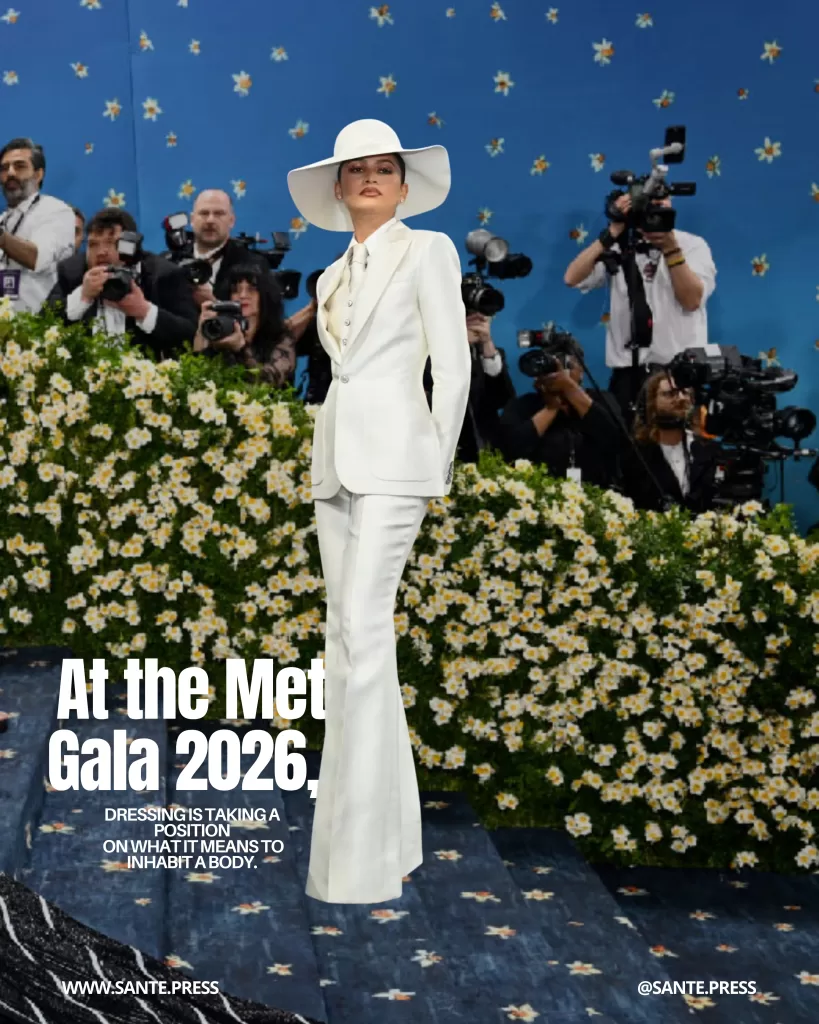
The Met Gala 2026 theme places fashion at the center of a long-running cultural argument: is clothing merely commerce, or can it stand beside sculpture and painting as art? With the dress code “Fashion is Art,” the red carpet becomes a corridor between runway and gallery, asking guests to treat the body as a living canvas rather than a hanger for trends.

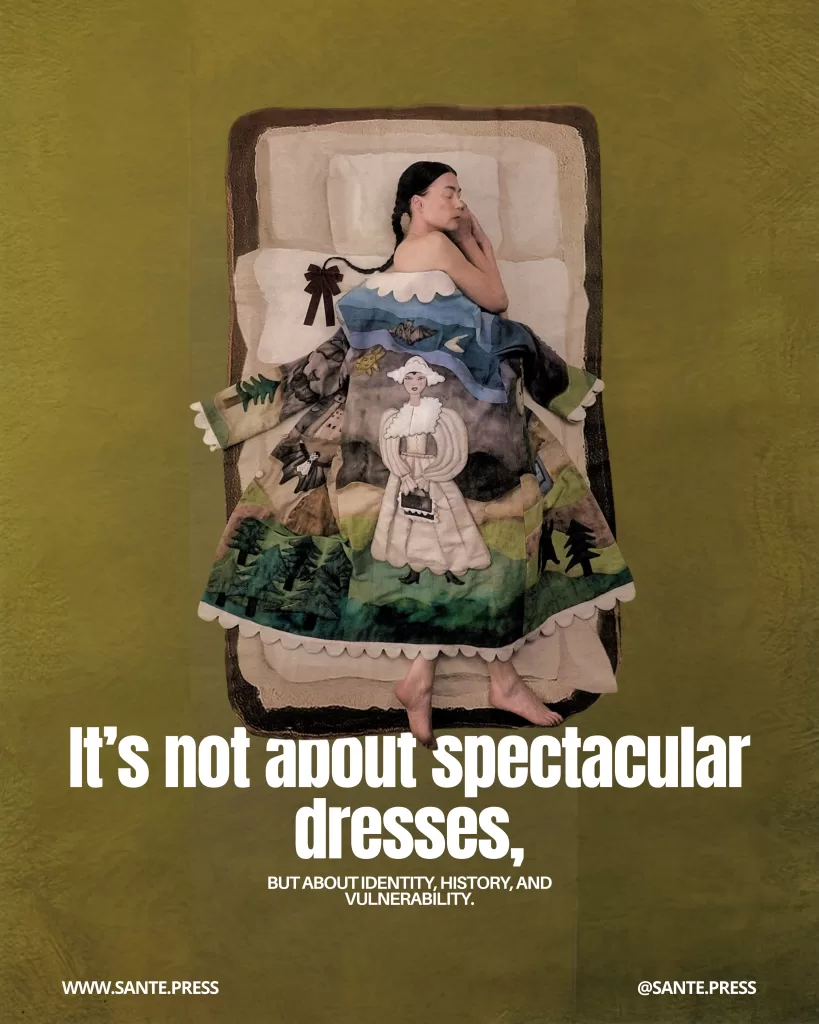
This year, the gala is not only about spectacular gowns. It is about the emotional shock of seeing 5,000 years of art history reflected in a single look: from the exposed vulnerability of the naked body to the marble calm of the classical ideal.

met-gala-2026-fashion-is-art 2

Dress code: Fashion is Art and the body as canvas

The Met Gala 2026 theme “Fashion is Art” mirrors the ethos of the spring exhibition, “Costume Art”, at the Costume Institute. Instead of a literal storybook prompt, the dress code is almost philosophical. It encourages guests to ask: if my body were a gallery wall, which visual language would I choose?

The possibilities are broad:

  • Historicism: Rococo volume, Renaissance draping, Baroque drama, neoclassical purity.
  • Modern and Pop: Mondrian grids, Op Art illusions, Pop Art graphics, surreal gestures.
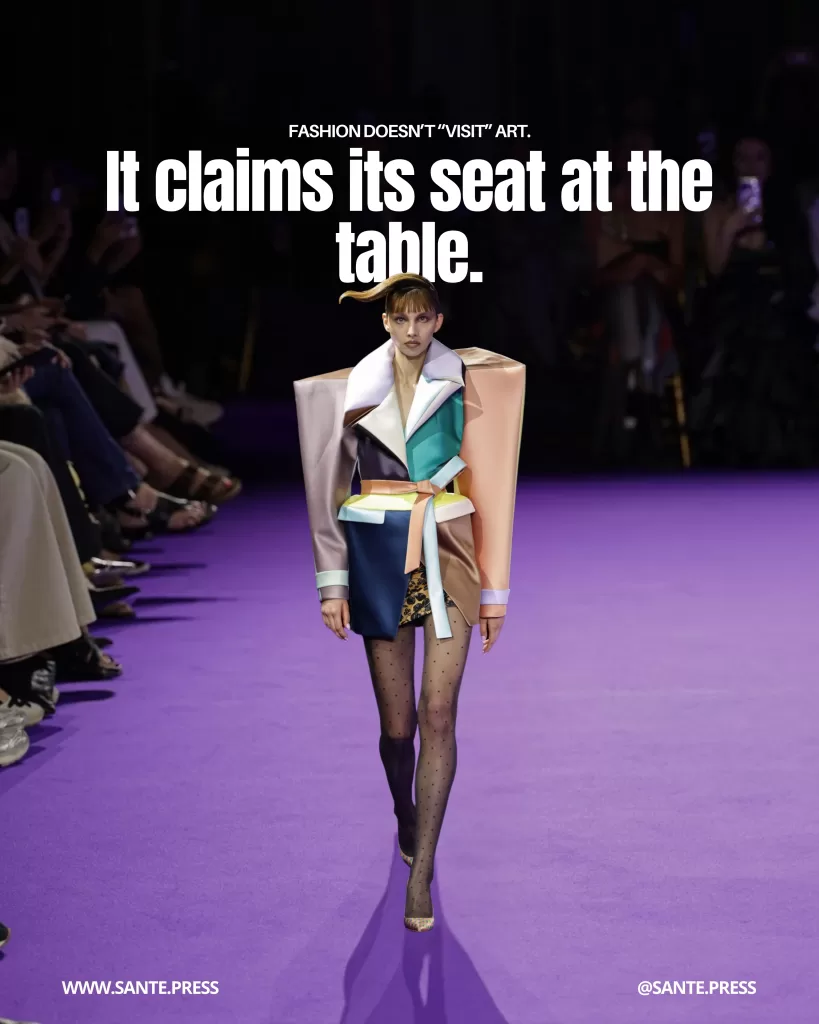
  • Sculptural minimalism: monochrome columns, sharp contours, garments that read like moving sculptures.

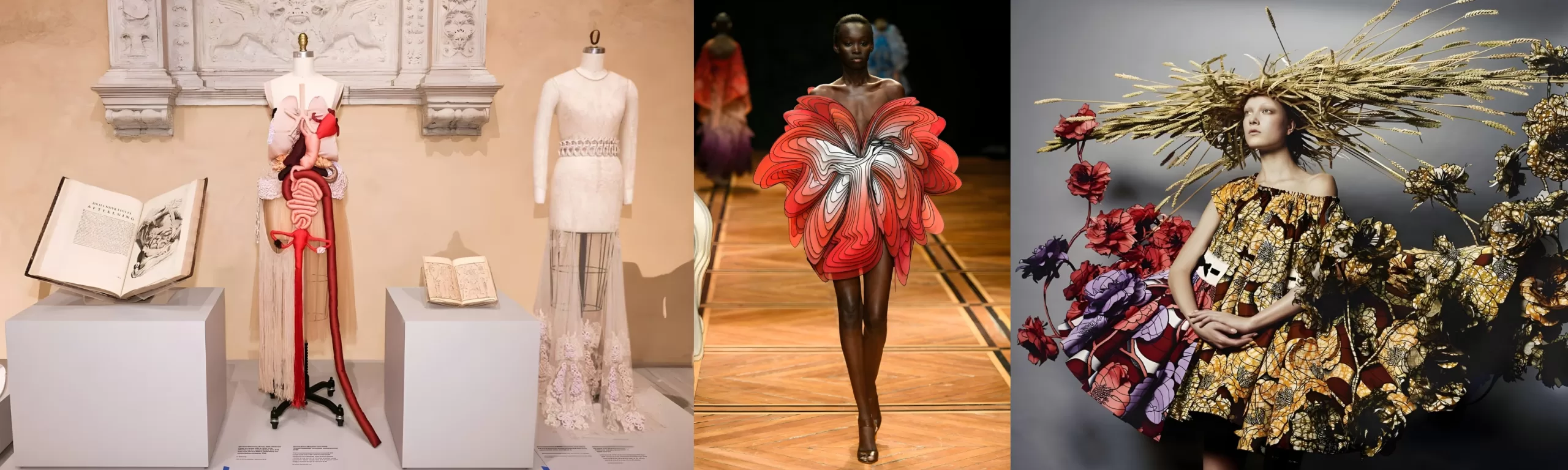
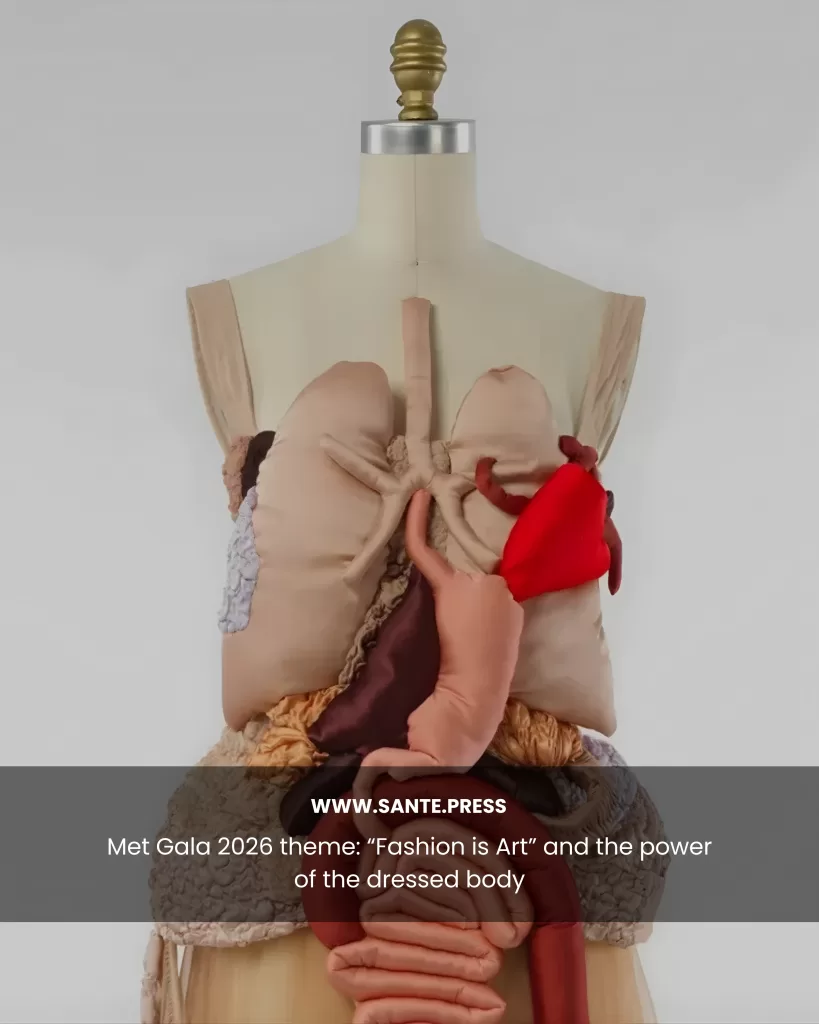
Inside the exhibition, almost 400 objects pair garments from the Costume Institute with paintings, sculptures and other works spanning some five millennia. The thematic zones —“Naked Body,” “Classical Body,” “Pregnant Body,” “Aging Body,” “Anatomical Body,” “Mortal Body”— hint at the kinds of stories guests might bring to the carpet. The goal is not only to impress, but to acknowledge that the dressed body carries fear, aging, fertility and mortality along with beauty.

Date, place and the new Condé M. Nast Galleries

The 2026 gala will take place on Monday, May 4, at the Metropolitan Museum of Art in New York. That night, the steps of the Met will serve as a public-facing prologue to the unveiling of the new Condé M. Nast Galleries, a 12,000-square-foot suite of rooms connected to the Great Hall.

The exhibition “Costume Art” opens to the public on May 10, 2026, and runs through January 10, 2027. Its mannequins are modeled on real bodies, not on abstract fashion forms, and their mirrored heads —designed by artist Samar Hejazi— reflect visitors back at themselves. The effect is intimate and slightly unsettling: instead of staring at an unreachable ideal, viewers are implicated in the scene.

The setting makes the Met Gala 2026 theme feel less like a party slogan and more like a thesis. Fashion moves from the periphery of the museum to its core.

Who is steering the evening: co-chairs and host committee

This year’s lineup of co-chairs and hosts underscores the fusion of art, sport, cinema and spectacle. At the helm:

RoleKey names
Co-chairsBeyoncé, Nicole Kidman, Venus Williams, Anna Wintour
Honorary ChairsJeff Bezos, Lauren Sánchez Bezos
Host Committee Co-chairsAnthony Vaccarello, Zoë Kravitz

The host committee reads like a cross-section of contemporary culture: Sabrina Carpenter, Doja Cat, Gwendoline Christie, Alex Consani, Misty Copeland, Elizabeth Debicki, Lena Dunham, Paloma Elsesser, LISA, Chloe Malle, Sam Smith, Teyana Taylor, Lauren Wasser, Anna Weyant, A’ja Wilson and Yseult.

Newly joining are Adut Akech, Angela Bassett, Sinéad Burke, Rebecca Hall, Aimee Mullins, Tschabalala Self, Amy Sherald and Chase Sui Wonders. As lead sponsors of the gala and exhibition, Jeff Bezos and Lauren Sánchez Bezos also serve as honorary chairs.

Taken together, this group embodies different versions of the dressed body: the athlete’s, the dancer’s, the actor’s, the musician’s, the activist’s. Their presence reinforces a central idea of the Met Gala 2026 theme: the body is both instrument and artwork.

Curatorial vision: the dressed body as the museum’s common thread

For Andrew Bolton, the Costume Institute’s curator in charge, the exhibition that anchors the gala emerged from a simple but radical observation: “What connects every department and every single gallery in the museum is fashion, or the dressed body. It’s the common thread throughout the whole museum.”

Under that lens, a coat can speak to an ancient statue, and a Rei Kawakubo ensemble can stand in conversation with a drawing by Albrecht Dürer or a sculpture by Hans Bellmer. The exhibition does not treat clothing as illustration or secondary accessory. It grants it the same interpretive weight as any other artwork.

For guests, this means that whatever they wear will be read in relation to the museum’s broader narrative. A gown might echo the “Classical Body,” a tailored suit might nod to the “Aging Body,” and a daring cutout might speak directly to the “Anatomical Body.” The Met Gala 2026 theme turns each outfit into a curatorial statement.

Inspiration for 2026 looks: from archive to experiment

Mining fashion history for Fashion is Art

Designers and stylists have a rich archive to draw from when they translate Fashion is Art for the carpet:

Real bodies, real narratives

Because “Costume Art” centers themes like nakedness, pregnancy and aging, some of the most powerful looks may move away from the airbrushed ideal:

  • Transparent layers that acknowledge fragility while protecting the wearer.
  • Designs that integrate prosthetics, scars or mobility aids as part of the visual language.
  • Silhouettes that celebrate pregnancy or later life as states of power, not detours.

From Pop Art noise to minimalist quiet

Some attendees will likely embrace loud Pop Art graphics and saturated color. Others may respond to the Met Gala 2026 theme with almost monastic restraint:

  • Black or white columns that turn the body into a moving shadow.
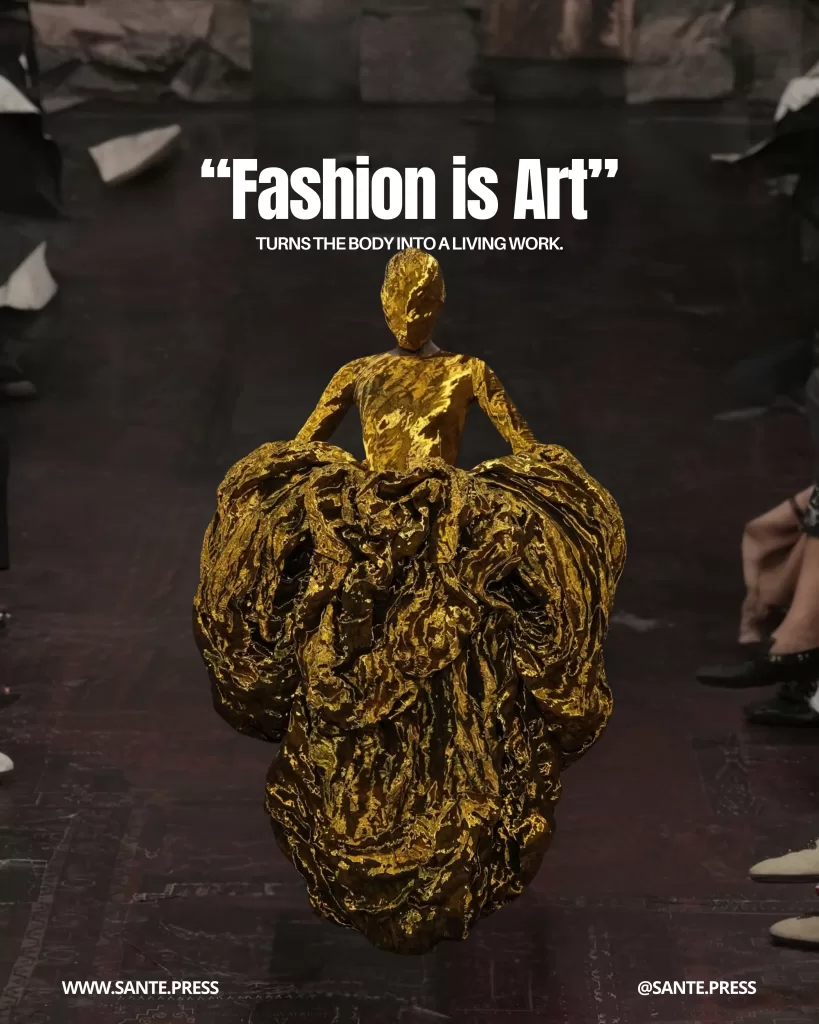
  • High-shine metals, resin or technical fabrics that recall contemporary sculpture.
  • Surfaces that change under flash and spotlight, turning the wearer into a kinetic installation.

What the Met Gala 2026 theme tells us about fashion and art now

Beyond the outfits, the Met Gala 2026 theme crystallizes a broader shift. Museums have been collecting fashion seriously for decades, but treating it as the “common thread” of their entire collection pushes the conversation further. Fashion is no longer just a mirror held up to culture; it becomes one of the tools that shape how we see our own bodies.

In a time of visual overload, culture wars and digital exhaustion, this focus on the dressed body feels unexpectedly grounding. It reminds us that every creative choice —a hemline, a seam, a cutout— has to negotiate with skin, age, pregnancy, disability and mortality.

The red carpet, then, is not simply a runway. It is a corridor where all those negotiations become visible, glamorous and, at times, painfully honest.

A night to see, to be seen, and to look inward

On the first Monday in May, as guests climb the Met steps under the gaze of cameras and statues, the Met Gala 2026 theme will give the spectacle an extra layer of meaning. “Fashion is Art” will not be just a hashtag; it will be a challenge.

For Beyoncé, Nicole Kidman, Venus Williams, Anna Wintour and the rest of the cast, the question will be how to turn a single look into a story that can hold its own in a building full of masterpieces. For those watching from home, the gala becomes an invitation to think about their own wardrobes differently.

What story does your dressed body tell today? Where does it echo history, and where does it resist it? In 2026, the most interesting answer may not belong to any particular gown, but to the collective realization that our daily act of getting dressed has always been, quietly, a form of art.

Author: Andrés David Vargas Quesada